
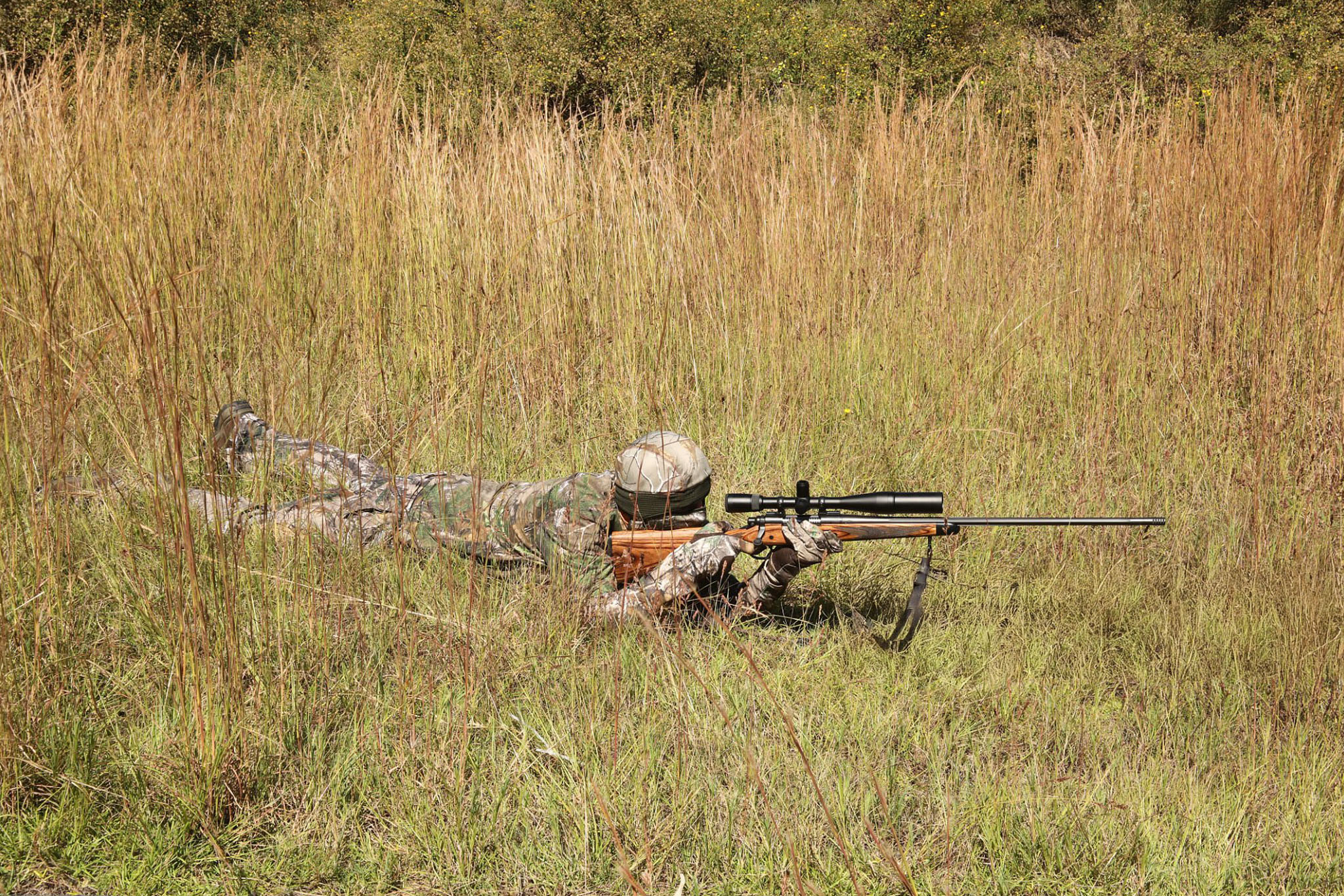
Early to mid-fall brings hunters some of the most exciting—and challenging—conditions of the season. Deer are on the move, the woods are alive with activity, and hunters are eager to fill their tags. Yet one of the most traditional and effective methods, still hunting, becomes significantly harder once the forest floor is carpeted in dry, fallen leaves. Quiet stalking during this time isn’t impossible, but it requires patience, strategy, and a heightened awareness of your surroundings.
In this guide, we’ll break down the keys to mastering still hunting in noisy leaf litter, helping you stay stealthy, close the distance, and capitalize on opportunities when they appear.
Understanding the Challenge of Fallen Leaves
Dry autumn leaves are nature’s alarm system. Every step can sound like a crunching signal to nearby deer, instantly alerting them to danger. Unlike early-season hunts in green woods or snow-covered late-season hunts, early-to-mid fall demands a different approach. The goal isn’t to eliminate all sound—it’s to move in a way that mimics the natural rhythm of the forest.
Dress for Stealth
Quiet stalking begins with your gear. Even the best technique can be undermined if your clothing or equipment creates unnecessary noise.
- Soft Fabrics: Choose fleece, wool, or brushed cotton to reduce swishing.
- Layer Smartly: Early fall temperatures can swing from warm afternoons to crisp mornings—wear breathable layers that won’t force you to adjust constantly.
- Quiet Boots: Lightweight hunting boots with soft soles allow more controlled steps compared to stiff-soled boots. Rubber-bottomed boots are excellent for damp ground.
Movement: Slow, Deliberate, and Natural
The core of still hunting lies in movement—or more accurately, in the absence of it.
- Three Steps, Pause: Take just a few slow steps, then stop and scan your surroundings. Deer often notice movement more than sound.
- Vary Your Rhythm: Animals rarely move in consistent patterns. Mix up your cadence to mimic squirrels, turkeys, or other forest dwellers.
- Use the Wind: Always stalk with the wind in your face or quartering toward you. Even the quietest approach will fail if your scent reaches deer first.
Using Cover and Shadows
Fallen leaves aren’t the only thing giving away your presence. Hunters should use natural cover to their advantage.
- Trees and Brush: Move from one piece of cover to another, using trunks and brush piles to break up your outline.
- Stay in the Shadows: In the dappled light of fall woods, sticking to shaded areas makes your movements less noticeable.
- Blend In: Camouflage that matches the autumn palette—browns, grays, and muted reds—helps you disappear into the background.
Listening as Much as Watching
When still hunting in leaves, your ears become as important as your eyes.
- Pause to Listen: During stops, close your eyes for a moment and focus on sounds—crunching leaves, breaking sticks, or soft grunts could signal approaching deer.
- Recognize Forest Sounds: Distinguish between the natural rustle of a squirrel and the deliberate, steady steps of a buck.
- Avoid Over-Moving: The quieter you are, the more you’ll notice small sounds before deer notice you.
Timing Your Hunt
The best times for quiet stalking often align with deer activity.
- Midday Opportunities: When the woods are quieter, deer may be transitioning between bedding and feeding areas.
- After Rain: Damp leaves are nature’s gift to still hunters. A drizzle or morning dew softens the forest floor, making footsteps far less noticeable.
- Breezy Days: Windy conditions mask your movement and noise, giving you a better chance of slipping close to wary whitetails.
Mental Patience and Persistence
Quiet stalking is not a fast tactic. It requires intense concentration and a willingness to move slowly for hours. Many hunters fail because they move too quickly or lose focus. Remember: the goal isn’t covering ground—it’s seeing deer before they see you.
Ethical Considerations
Still hunting brings hunters within close range of their quarry, which increases the responsibility to make ethical decisions.
- Take only clear, broadside shots.
- Know your effective range with bow or rifle.
- Pass on questionable angles to avoid wounding.
Respect for wildlife is just as important as the pursuit itself.
Final Thoughts
Quiet stalking in a forest littered with fallen leaves is one of the most challenging forms of hunting, but also one of the most rewarding. Mastering still hunting takes time—learning how to move with the woods instead of against it, when to pause, and how to blend in with nature’s rhythm. For hunters who embrace patience, discipline, and respect for the animal, success is measured not only in filled tags but in the unmatched satisfaction of getting close in wild, untamed conditions.
