
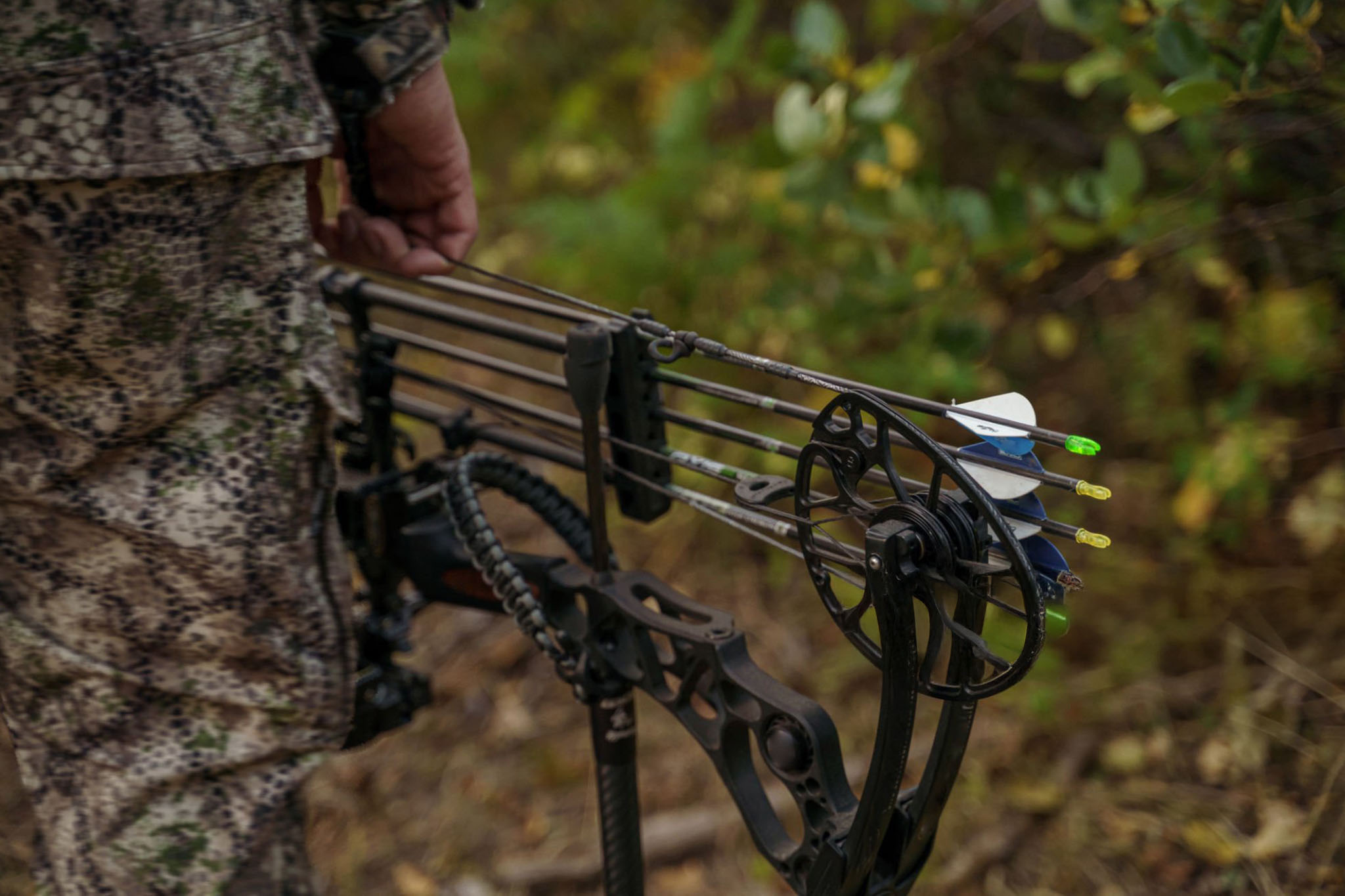
Early fall hunting comes with its own unique challenges. The woods are still thick with green foliage, the ground cover is noisy, and deer or other game haven’t yet settled into predictable late-season patterns. In these conditions, staying undetected isn’t just about scent and movement—it’s also about sound. The wrong gear can give you away before you ever see your quarry.
If you want to slip through early-season woods without spooking animals, gear choices matter as much as strategy. Here’s a deep dive into the best quiet gear for hunting when the woods are still green.
Why Noise Matters More in Early Fall
During early fall, the forest is alive with cicadas, crickets, and bird chatter, but the dense greenery also creates an acoustic trap. Sounds don’t travel as far as in bare timber, but unnatural noises—metal clinks, nylon scraping, or zipper pulls—stand out sharply. Deer, turkeys, and even small game pick up on these irregular sounds and bolt.
Unlike later in the season, when leaves crunch under every step, early fall hunts often rely on subtle movement and silence. That’s why quiet gear becomes your hidden advantage.
1. Clothing Materials: Choosing Quiet Fabrics
Not all hunting clothing is created equal. Some fabrics are notorious for being noisy, especially when brushing against leaves or limbs.
- Avoid stiff nylon and cheap polyester outer layers, which produce unnatural swishing sounds.
- Opt for brushed fleece or soft-shell fabrics, which deaden sound and blend with natural surroundings.
- Wool layers are another excellent choice—they’re naturally quiet, regulate temperature, and resist odor.
Pro tip: Before hunting, test your gear in the dark at home. Rub sleeves together, walk around, and listen. If it sounds loud indoors, it’ll be worse in the woods.
2. Footwear: Soft Steps Over Crunchy Ground
Your boots are in constant contact with the ground, making them a major factor in stealth.
- Quiet soles: Look for rubber soles with grip but without stiff edges that snap twigs loudly.
- Fit matters: Loose boots creak. Choose snug, supportive options.
- Moccasin-style or minimalist boots can be ideal for short stalks, letting you “feel” the ground before applying weight.
If you’re crossing crunchy ground, try walking heel-to-toe slowly or side-stepping to distribute weight. Quiet boots plus careful movement make a lethal combo.
3. Weapon Setup: Silencing the Essentials
Both bowhunters and firearm hunters must reduce gear noise:
- Bows: Add string silencers, limb dampeners, and soft rests to cut vibration. Wrap metal accessories with camo tape or moleskin.
- Rifles and shotguns: Use padded slings instead of hard nylon straps, and cover metal parts that might clink.
- Arrows and bolts: Keep them in quivers that hold them snug—rattling broadheads can ruin a stalk.
Every extra ounce of silence counts when you’re trying to draw undetected at close range.
4. Pack and Accessories: Eliminate Rattles
A noisy pack can ruin hours of patience. Even small clinks of metal or zipper jingles carry far in still woods.
- Choose soft, quiet packs made with fleece or brushed fabric panels.
- Tape down zippers and buckles to stop them from rattling.
- Pack tight—loose water bottles, snacks, or gear should be wrapped in cloth or foam.
- Use silent closures like magnets or silent-slide systems instead of Velcro, which is a deer hunter’s nightmare.
Think like your quarry: if you can hear your pack, they will too.
5. Tree Stand and Saddle Considerations
Early-season hunts often mean setting up stands where cover is still thick. That makes quiet setup critical.
- Pre-set stands help avoid noisy setup during hunting hours.
- Climbing sticks or saddles should be wrapped with stealth tape to muffle metal-on-metal contact.
- Cushion seats eliminate squeaks, especially in damp conditions.
Practice setting up your system silently at home or in the yard before heading into the woods.
6. Extras: Small Fixes for Big Stealth Gains
Little noises often cause the biggest problems. Here are extra steps to silence your hunt:
- Gloves: Soft-fabric gloves prevent skin-on-metal “taps.”
- Face masks or buffs: Not just for concealment, but also to avoid sound from rubbing skin or beard stubble against clothing.
- Phone silence: Put devices on airplane mode—vibration alone can spook animals at close range.
- Bow hangers and hooks: Choose rubber-coated models to prevent clinks when hanging gear.
Every sound you eliminate increases your odds of success.
7. Practicing Quiet Movement
Even with the best gear, silence depends on how you use it. Practice:
- Stalking exercises in the yard or woods, focusing on heel-to-toe placement.
- Drawing your bow or shouldering your gun without making a sound.
- Setting gear down silently instead of dropping it.
Quiet gear gives you the tools; practice makes them second nature.
Final Thoughts
When the woods are still green and game is alert, silence is your strongest weapon. Choosing the right quiet hunting gear—from clothing to packs to weapon setups—ensures you blend into the natural soundscape instead of standing out in it.
Early fall is about getting close without being noticed. By focusing on stealth gear and quiet movement, you give yourself an edge over both the animals and other hunters in the woods.
Stay silent, stay patient, and the green woods of early fall will work in your favor.
