
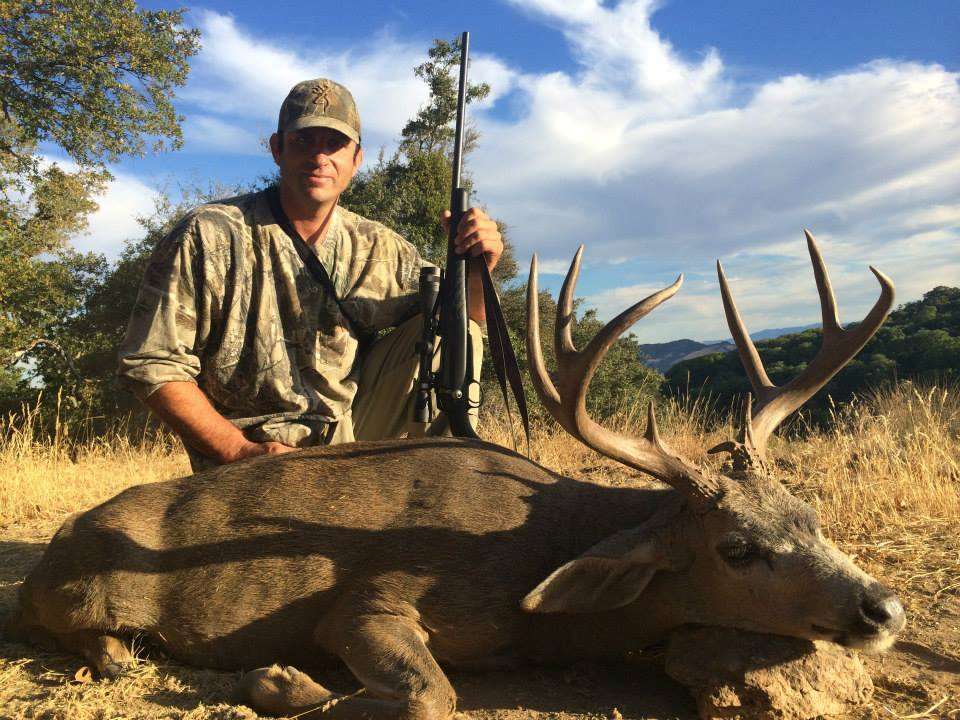
Every deer season, hunters debate the role of the moon. Some swear by lunar charts to predict deer activity, while others dismiss them as campfire myths. The early fall season is when these discussions peak—when hunters are eager to gain an edge before rut activity kicks in. But is there truth behind moon phase theories, or are they just folklore? Let’s take a closer look at the science, hunter observations, and practical strategies.
Why Hunters Care About the Moon
The moon has always fascinated hunters. It controls tides, influences animal behavior, and creates visible differences in nighttime illumination. Because deer are crepuscular (most active at dawn and dusk), many hunters wonder: does a full moon or new moon shift their movement patterns in early fall?
Proponents of moon theories argue that:
- Full moons cause deer to feed more at night, reducing daylight activity.
- New moons make nights darker, leading to more movement in the early morning and evening.
- Overhead and underfoot moon positions align with peak activity times.
But are these beliefs supported by research?
What Science Says About Moon Phases and Deer Activity
Wildlife biologists have studied whitetail movement for decades using GPS collars. Their findings reveal that moon phases play a minor role compared to weather, food availability, and hunting pressure.
Key takeaways from research:
- Deer move daily regardless of moon phase. Food, bedding, and survival needs dictate movement more than the moon.
- Temperature and weather fronts have a stronger impact on movement than lunar cycles.
- Moonlight may affect visibility, not necessarily movement. Deer may shift feeding slightly when nights are brighter, but it doesn’t eliminate daylight activity.
In other words: the moon can influence when deer move, but it doesn’t override the bigger factors.
Early Fall Deer and the Moon: Field Observations
Despite scientific caution, many hunters report patterns tied to moon phases. During early fall, when hunting pressure is lighter and food sources are predictable, these moon-related theories often emerge:
- Full Moon = Midday Movement
Hunters claim deer feed heavily at night under a bright moon, then rest during early morning, making them more active around midday. - New Moon = Prime Dawn Hunts
With darker nights, deer are thought to extend feeding into the early morning, giving hunters better odds at first light. - Red Moon Theory
Some hunters follow the “red moon” calendar—a theory that deer activity peaks when the moon is directly overhead or underfoot at dawn or dusk. While controversial, many hunters swear by it.
How to Use Moon Phases in Your Hunting Strategy
Even if moon phases aren’t the main driver, you can still use them to fine-tune your approach:
1. Combine Moon and Weather Data
If a full moon aligns with a cold front, prioritize hunting the late morning or early afternoon. Deer may shift their movement windows slightly, and cooler temperatures increase activity.
2. Focus on Food Sources in Early Fall
Acorns, soybeans, and cut cornfields dominate deer diets in September and October. Regardless of moonlight, deer will key in on these areas.
3. Adjust Stand Time
Instead of leaving after the traditional morning hunt, consider sitting later into midday during a full moon cycle. Conversely, on a new moon, make sure you’re set up well before first light.
4. Use Trail Cameras to Ground-Truth Theories
Every property is different. Place cameras on food plots, trails, and bedding edges to see if local deer respond to moonlight changes. Data from your hunting ground is far more valuable than generalized charts.
Fact or Fiction?
So, is the moon phase theory fact or fiction? The answer lies somewhere in between. Science tells us that deer move daily regardless of the moon, but field experience suggests the moon can influence when they are most visible. For hunters, this means the moon is not a magic predictor—but it’s a helpful variable when layered with weather, food availability, and pressure.
Final Thoughts
In early fall, when deer are less focused on rutting and more tied to feeding, the moon may subtly shape movement windows. While it’s not the ultimate key to success, understanding moon phases can help you stay in the woods during overlooked hours. The real secret? Combining lunar knowledge with consistent scouting, weather awareness, and smart stand placement.
At the end of the day, the best time to hunt deer is simple: whenever you can get into the woods.
