
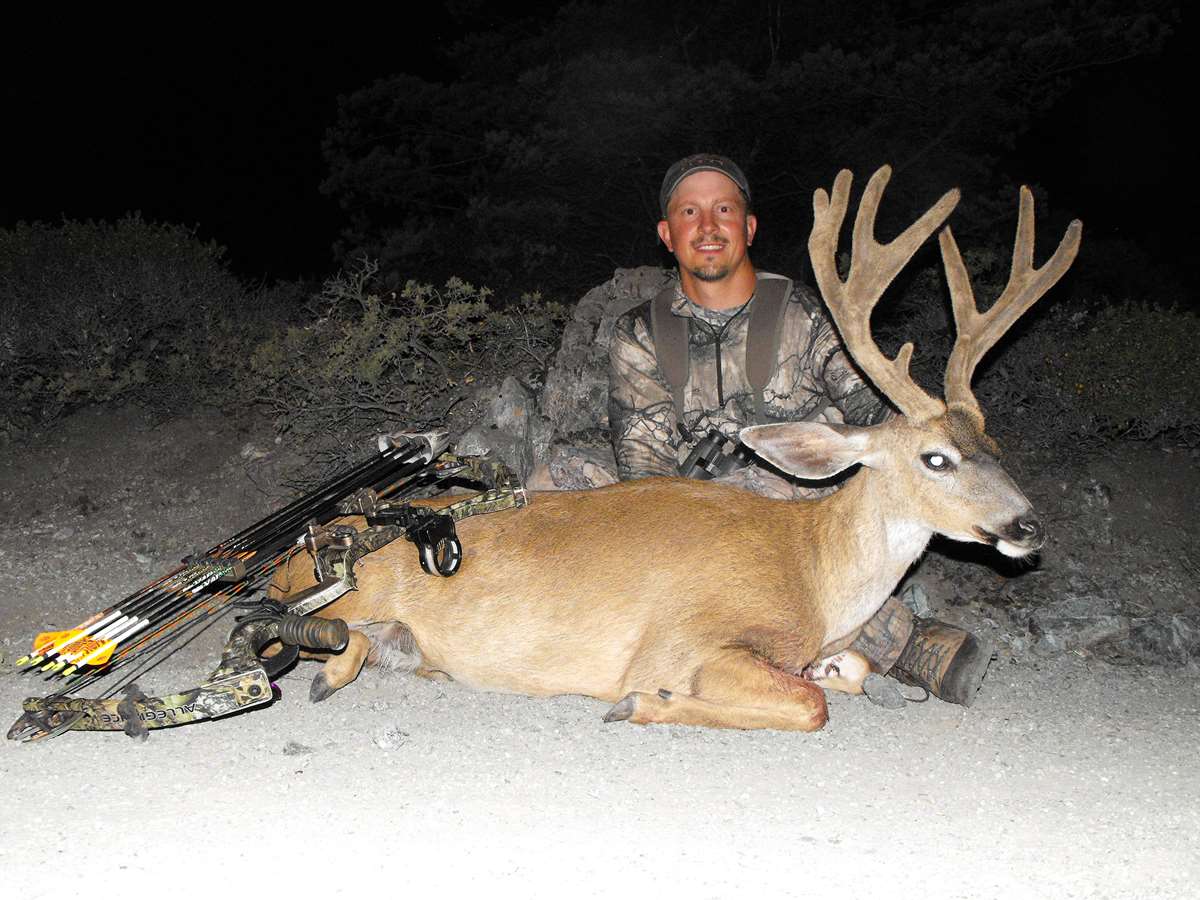
Opening week of deer season is one of the most exciting times in the woods. Hunters have waited months for this moment, and once the season begins, the woods come alive with activity. But after those first few days, many hunters notice a sudden change: deer sightings drop, and the easy opportunities seem to vanish. This shift isn’t by chance—it’s a direct response to hunting pressure. Understanding how deer adapt after opening week can help you adjust your tactics and stay successful throughout the season.
Why Hunting Pressure Matters
Deer are highly adaptive animals. They may not understand rifles, bows, or camo patterns, but they quickly recognize increased human presence, noise, and scent. The more hunters move through the woods, the more deer adjust their patterns for survival. This explains why deer sightings plummet after the initial rush of opening week.
Key factors that influence post-opening week deer behavior include:
- Increased human scent in bedding and feeding areas
- Unnatural noises like ATVs, climbing stands, and talking
- Disrupted feeding routines due to hunters moving into food plots and crop fields
- Shooting activity that triggers immediate avoidance of high-pressure areas
How Deer Patterns Change After Opening Week
1. Shifting Movement to Nighttime
One of the most noticeable changes is deer becoming more nocturnal. After opening week, deer often feed and travel under the cover of darkness, making daylight encounters more difficult.
2. Retreating to Thicker Cover
Deer seek safety in areas where hunters are less likely to venture—dense brush, steep ravines, or swampy bottoms. These areas may not be ideal for hunters but provide deer with a sense of security.
3. Altering Travel Routes
Whitetails often abandon obvious trails near field edges and switch to secondary paths deeper in the timber. These routes are harder to spot and usually require more scouting to locate.
4. Changing Feeding Habits
Deer may switch from open fields to secluded food sources, such as oak ridges dropping acorns, hidden browse in clear-cuts, or mast crops away from human disturbance.
Hunting Strategies After Pressure Sets In
1. Hunt the Thick Stuff
If you want to tag pressured deer, you have to go where they feel safe. Focus on overlooked areas—hedgerows, briar patches, or small woodlots between larger tracts of land. These “sanctuary zones” often hold deer long after opening week.
2. Adjust Your Timing
While most hunters stick to dawn and dusk, mid-day hunting can pay off once pressure builds. Deer often move to new bedding areas between 10 a.m. and 2 p.m., especially during cooler weather.
3. Use Stealth and Scent Control
Every step counts after deer have been pressured. Move quietly, minimize gear noise, and be meticulous with scent control. Wash clothes in scent-free detergent, store them in sealed containers, and play the wind at all times.
4. Scout Smarter
Instead of putting boots on the ground daily, use trail cameras to monitor activity patterns. Cameras placed on secondary trails or near bedding cover can reveal where pressured deer are hiding.
5. Go Mobile
Fixed stands near field edges may not be as productive once pressure sets in. Mobile hunting setups—like lightweight climbers or saddle hunting—let you adjust quickly and stay ahead of changing deer patterns.
The Long Game: Patience Pays Off
After opening week, many hunters become discouraged and leave the woods, which actually benefits those who stick it out. With less pressure, deer may return to more natural patterns later in the season. If you can adapt, stay persistent, and remain flexible, the post-opening week lull can still produce some of the best hunting opportunities of the year.
Final Thoughts
Deer are survivors, and hunting pressure is one of the strongest factors shaping their behavior after opening week. By recognizing these changes and adjusting your strategy, you can stay ahead of the game. Focus on thick cover, hunt at non-traditional times, and refine your stealth tactics. Remember, the hunters who adapt to pressured deer are often the ones who fill their tags when others head home empty-handed.
