
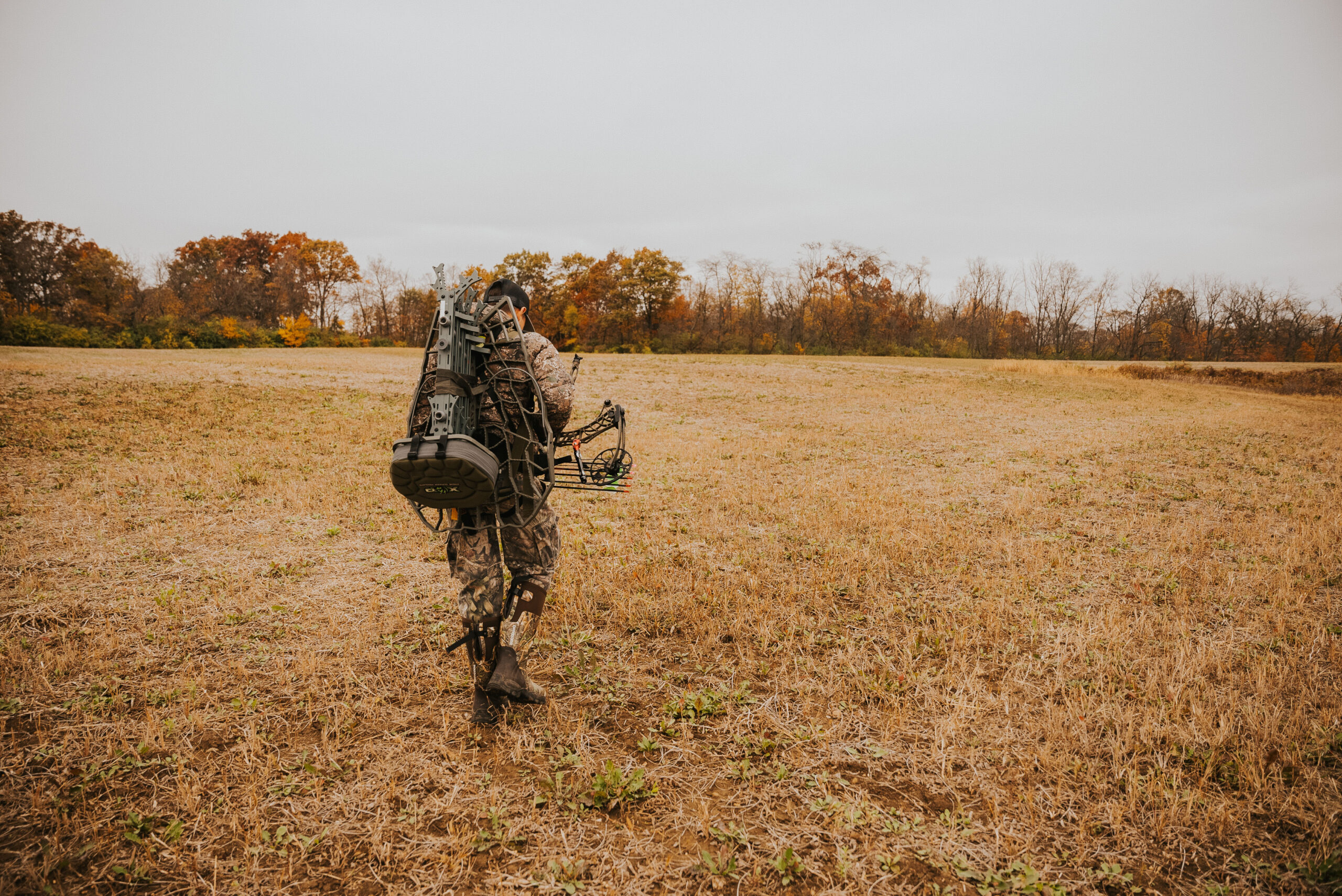
For many hunters, autumn signals the best time of the year—the woods are alive with deer movement, small game seasons are open, and cool mornings make time afield more enjoyable. But when it comes to public land hunting in fall, one challenge stands out above all others: pressure. From bowhunters chasing whitetails to waterfowl hunters setting up blinds, public tracts often see a surge of activity that can make deer and other game elusive.
The good news? Untouched hotspots still exist. With the right approach, you can locate overlooked areas where animals feel less pressure and move more naturally. Here’s how to find them.
1. Read the Map Before You Step In
Digital mapping tools and aerial photography have changed the game for public land hunters. Apps like OnX, HuntStand, or Google Earth allow you to study terrain before setting foot in the woods. Look for:
- Isolated pockets of cover that are hard to access.
- Transitions between habitat types—such as where hardwoods meet CRP fields or where swampy bottoms edge against upland ridges.
- Natural funnels like creek crossings, saddles, or pinch points between open ground and timber.
Most hunters stop within a mile of the parking lot. If you see terrain that forces others to walk farther, it’s worth checking out.
2. Push Past the Easy Spots
Public land pressure is often predictable. The first few hundred yards from the access point usually attract the heaviest traffic. To avoid hunting where everyone else sets up:
- Go deeper: Hiking in two or three miles can separate you from the crowds.
- Go steeper: Climbing ridges, bluffs, or thick cuts often deters casual hunters.
- Go wetter: Marshes, swamps, and creek bottoms can be messy, but deer love them for security.
Hunters willing to lace up waterproof boots or use a kayak for entry often discover untouched honey holes.
3. Focus on Food Sources Others Ignore
In early fall, many hunters crowd around obvious food sources like crop fields and oak flats. But pressured deer shift quickly to alternative feeding areas. Keep an eye out for:
- Secondary mast crops: Persimmons, wild apples, and hickory nuts.
- Browse and forbs: Clear-cuts and young growth areas often provide overlooked forage.
- Remote water sources: Small creeks or ponds deep in cover can attract deer when traffic pushes them off field edges.
By keying in on lesser-known food sources, you can intercept deer while other hunters scratch their heads.
4. Use Hunting Pressure to Your Advantage
Instead of fighting pressure, let it work for you. Deer quickly learn to avoid high-traffic zones, but they also shift in predictable ways. Pay attention to:
- Escape routes: Thick draws or brushy fencerows connecting pressured fields and cover.
- Midday movement: On pressured lands, deer often move outside the classic dawn and dusk windows.
- Downwind bedding cover: Whitetails often circle to monitor hunters entering from predictable directions.
Set up along these escape or transition routes, and let other hunters push deer right to you.
5. Scout Smarter, Hunt Lighter
On pressured land, less is often more. Instead of crowding your hunting site with scent, noise, and disturbance:
- Scout with optics rather than tromping through bedding areas.
- Use mobile setups—lightweight climbing stands, hang-on stands, or even saddles that allow quick and quiet adjustments.
- Stay flexible: If you see boot tracks or hear shots, don’t be afraid to move and adapt.
Mobility is often the difference between burning out a spot and finding an untouched pocket of activity.
6. Don’t Overlook Small Tracts
While big-name wildlife areas get most of the attention, smaller parcels often hold hidden gems. County forests, overlooked state lands, and even utility rights-of-way may have less pressure and surprisingly good game numbers. Many hunters skip these because they assume “small land equals small opportunity”—but for a mobile hunter, these can be hotspots.
Final Thoughts
Public land hunting in fall is both a challenge and an opportunity. Yes, pressure is real—but game animals adapt, and if you’re willing to work harder, walk farther, and think differently, you’ll find the untouched hotspots that others overlook.
This season, don’t just follow the crowd. Study the map, pack light, and head where few hunters dare. The reward? A chance at a public land trophy and the satisfaction of knowing you found success where most gave up.
