
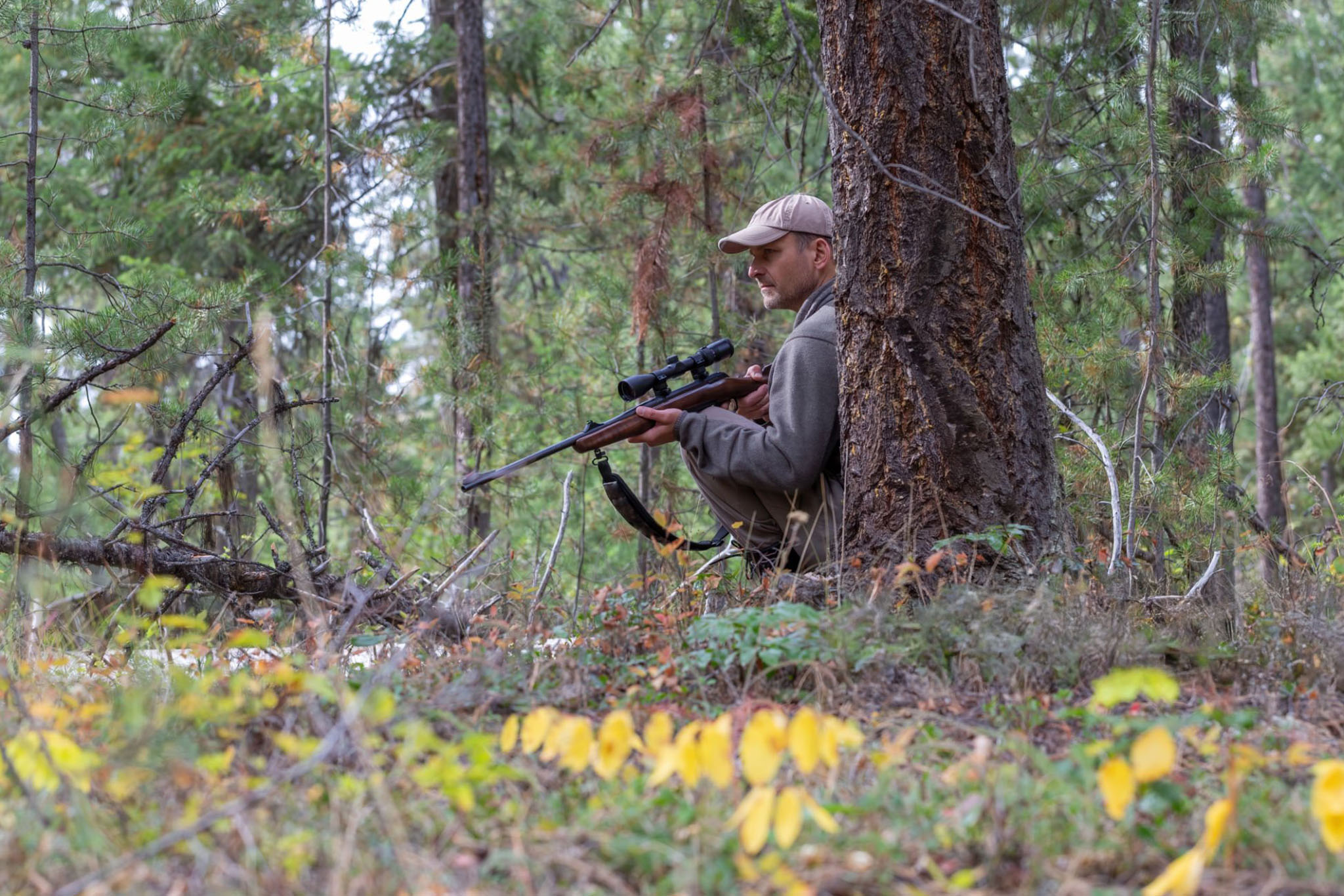
When autumn rolls in, whitetail hunters across the country sharpen their focus on one of the most reliable patterns in deer movement—edge habitat. These transition zones, where two types of cover or terrain meet, are natural highways for deer activity. Understanding why deer favor these spots in the fall, and how to hunt them effectively, can be the difference between an empty tag and a successful harvest.
What Are Edge Habitats?
Edge habitats are the transitional areas where different ecosystems meet. Examples include:
- Woodlot meeting crop fields (corn, soybeans, alfalfa, etc.)
- Hardwoods meeting thick brush or early successional growth
- Timberline meeting a grassy meadow or wetland
- Clear-cuts meeting mature forest
To deer, these edges offer security, feeding opportunities, and easy travel routes. They serve as natural funnels, concentrating deer activity and creating predictable patterns for hunters.
Why Deer Favor Edges in Autumn
1. Food and Forage Diversity
During early to mid-autumn, deer shift from summer food sources like green soybeans to fall staples such as acorns, corn, and brassicas. Edges provide access to multiple food sources in close proximity. A deer can browse acorns under oaks in the timberline, then step out to graze a cornfield or clover plot—all without traveling far.
2. Cover and Security
Edges create natural concealment. Deer can bed in thick cover or secondary growth, then step into open areas when they feel safe. The broken structure of these habitats allows deer to stay hidden while maintaining visual and scent awareness of predators.
3. Travel Corridors
Edges function as natural travel routes between bedding and feeding areas. Bucks in particular use these areas during the rut to scent-check fields and trails for does without fully exposing themselves.
4. Breeding Season Behavior
As the rut nears in late autumn, bucks spend more time cruising edges where doe groups feed and bed. These areas become prime locations to intercept a mature buck checking for receptive does.
Scouting Edge Habitat for Hunts
Use Trail Cameras Wisely
Placing cameras along well-worn trails in transition zones can reveal deer movement times, herd composition, and even individual buck patterns. Focus on edges near bedding-to-feeding routes for consistent activity.
Look for Sign
Scrapes and rub lines often appear along edges, especially where trails converge. Fresh tracks, droppings, and disturbed leaves are additional indicators that deer are actively using the habitat.
Map with Aerial Tools
Modern hunters have the advantage of tools like Google Earth, OnX, and HuntStand. Use satellite imagery to locate crop fields, timber breaks, creek bottoms, and grassy edges before you step foot in the woods.
Hunting Strategies for Edge Success
1. Stand Placement
Position tree stands or ground blinds where you can cover multiple edge features at once—such as the corner of a crop field meeting timber with a nearby creek crossing. Always prioritize wind direction to avoid alerting deer.
2. Hunt Evening Transitions
Deer are more likely to move toward open feeding areas in the evening. Setting up along edges where deer emerge from cover to feed can be highly productive.
3. Mornings Near Bedding Areas
Morning hunts are riskier, but if you know bedding cover is close to an edge, setting up carefully before daylight can intercept deer returning from fields.
4. Timing Around Mast Drops
Acorns are a magnet in the fall. Hunt timber edges where oaks drop near fields, as deer will shift feeding patterns to take advantage of this nutrient-rich food source.
Common Mistakes to Avoid
- Overhunting an Edge: Too much pressure can push deer deeper into cover. Rotate stands or rest areas between hunts.
- Ignoring the Wind: Edges often funnel thermals and breezes in unpredictable ways—use milkweed or wind checkers to test airflow.
- Setting Up Too Close Too Soon: Early season deer are cautious; give them space and let the patterns develop before diving into bedding-side setups.
Final Thoughts
Edge habitats are some of the most consistent and productive spots to hunt whitetails in autumn. They offer food, security, and natural movement routes—all the essentials deer need during seasonal transitions. By scouting smart, hunting the wind, and timing your sits with seasonal food shifts, you’ll be well-positioned for success this fall.
For hunters looking to boost their odds, focusing on edge habitats might just be the game-changing strategy of the season.
