
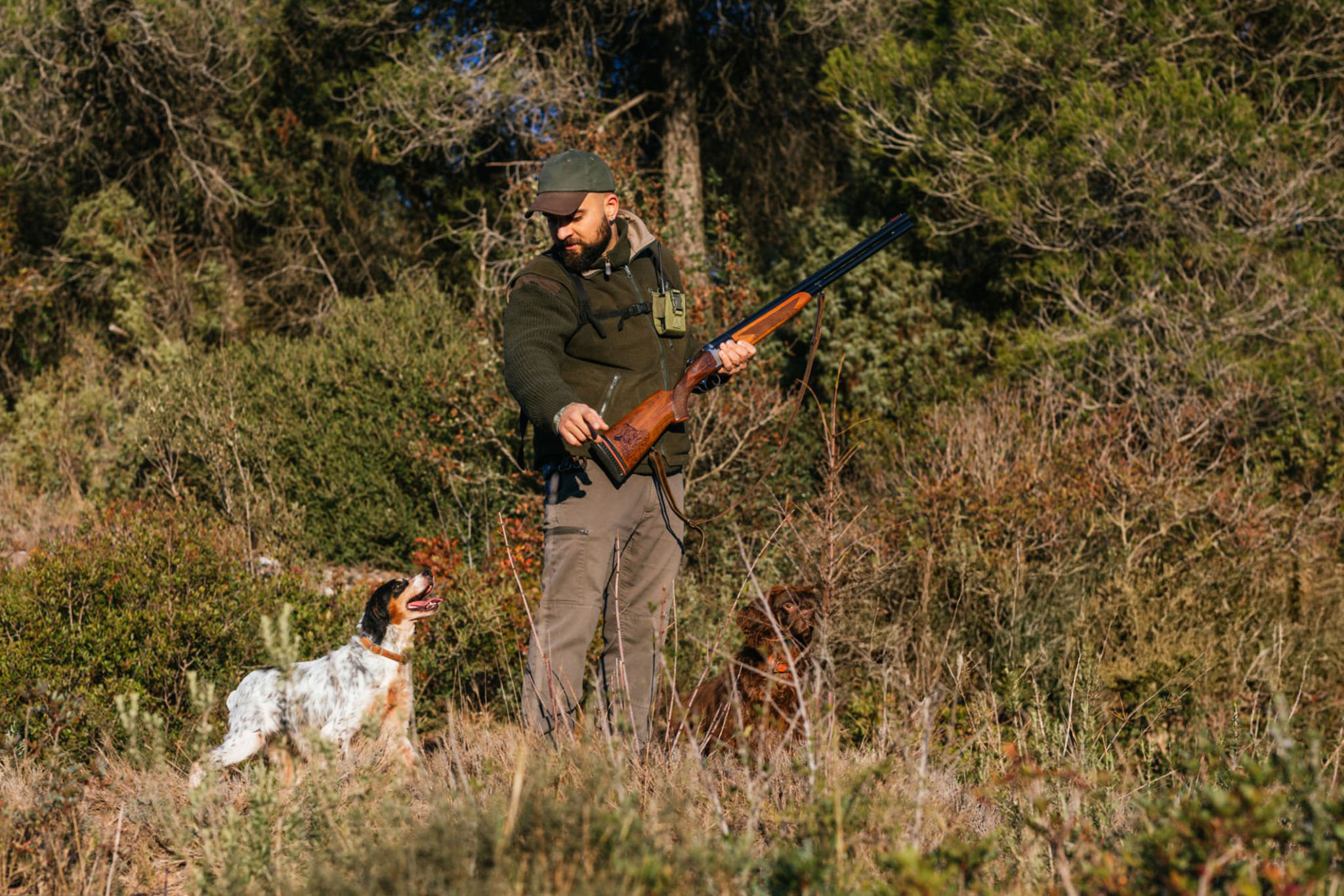
For deer hunters, scent control is one of the most critical factors in the field—arguably just as important as good shot placement. By the time autumn settles in, whitetails have spent months avoiding predators, and their noses are tuned like radar systems. As temperatures drop and hunting pressure increases, even the slightest human odor can send deer bolting before you ever see them. Mastering scent control in autumn is the key to staying invisible and giving yourself more opportunities in the stand.
Why Autumn Scent Control Is Different
While scent control is essential all season, autumn presents unique challenges.
- Temperature swings: Early mornings may be crisp, but afternoons often warm up, causing hunters to sweat and release more odor.
- Shifting winds and thermals: Cool air sinks in the mornings and evenings, carrying scent downhill, while midday thermals rise and disperse odor unpredictably.
- Increased deer activity: As bucks begin to travel more ahead of the rut, the chance of being winded rises dramatically.
Understanding these conditions is the first step in tailoring your scent control system for autumn hunts.
Step 1: Clothing Preparation and Storage
Clothing can either betray you or help keep you invisible.
- Wash with scent-free detergent: Avoid household soaps that leave UV-brighteners or fragrances.
- Dry outdoors: Air-dry hunting clothes away from strong odors like grills, garages, or pets.
- Storage matters: Keep clothing sealed in scent-proof bags or totes with natural cover scents like pine needles or leaves.
By September and October, your gear should never touch a household closet or laundry basket.
Step 2: Dressing for Temperature Fluctuations
Autumn hunting requires layering, but it’s also a time when overdressing can ruin a hunt.
- Moisture-wicking base layers: Prevent sweat from building during long walks.
- Midweight layers: Add warmth without trapping excessive heat.
- Pack outerwear: Carry jackets and bibs into the stand rather than wearing them on the walk-in to avoid sweating.
Dry, comfortable clothing is less likely to produce the bacteria that deer noses pick up on.
Step 3: Personal Hygiene for the Hunt
You can’t eliminate human odor entirely, but you can minimize it.
- Scent-free soap and shampoo: Use regularly before hunts to reduce odor-causing bacteria.
- Deodorants and wipes: Stick to unscented hunting-specific products.
- Mouth care: Breath is often overlooked. Use scent-free mouthwash or chew natural cover-scent gum.
Remember, a whitetail’s nose can detect parts per billion—every detail counts.
Step 4: Gear and Accessory Control
It’s not just you; your gear also carries scent.
- Backpacks and harnesses: Wash or spray them down with scent eliminators.
- Boots: Scrub rubber soles, then store them with leaves or dirt from your hunting area.
- Weapons: Wipe down bows, arrows, or firearms to remove oils and unnatural odors.
Your equipment should blend into the woods not just visually but scent-wise too.
Step 5: Field Application of Scent Control
Once in the field, scent management becomes about smart tactics.
- Use scent-eliminating sprays: Reapply at the truck and before walking into the stand.
- Play the wind: No product beats a smart setup. Always check wind direction and thermals before hunting.
- Natural cover scents: Crushed pine needles, dirt, or even autumn leaves can add authenticity to your scent profile.
Hunters who rely solely on products without wind awareness often educate more deer than they tag.
Step 6: Entry and Exit Strategy
You can have perfect scent control but ruin everything with a poor approach.
- Stay downwind: Plan access routes that keep your scent away from bedding and feeding areas.
- Avoid sweaty hikes: Leave early enough to walk slowly and avoid breaking a sweat.
- Exit carefully: Even after a hunt, deer can smell your trail. Minimize ground scent by sticking to clean entry routes.
Step 7: The Role of Ozone and Advanced Tools
Many hunters now incorporate ozone generators or carbon-layered clothing.
- Ozone units: Break down odor molecules in controlled spaces like totes or blinds.
- Activated carbon clothing: Absorbs odor but must be reactivated in heat periodically.
- Wind detection tools: Milkweed fluff or powder can show you exactly where your scent is drifting.
Technology should complement—not replace—traditional scent control strategies.
Conclusion
Autumn scent control is about consistency. From washing clothes to checking the wind, every small habit contributes to remaining undetected. As deer activity increases with dropping temperatures, their sense of smell becomes your greatest obstacle. The hunters who stay disciplined and scent-conscious give themselves the advantage of surprise—an edge that often makes the difference between a filled tag and another empty sit.
Bottom line: Control what you can, respect the wind, and you’ll stay invisible this fall.
