
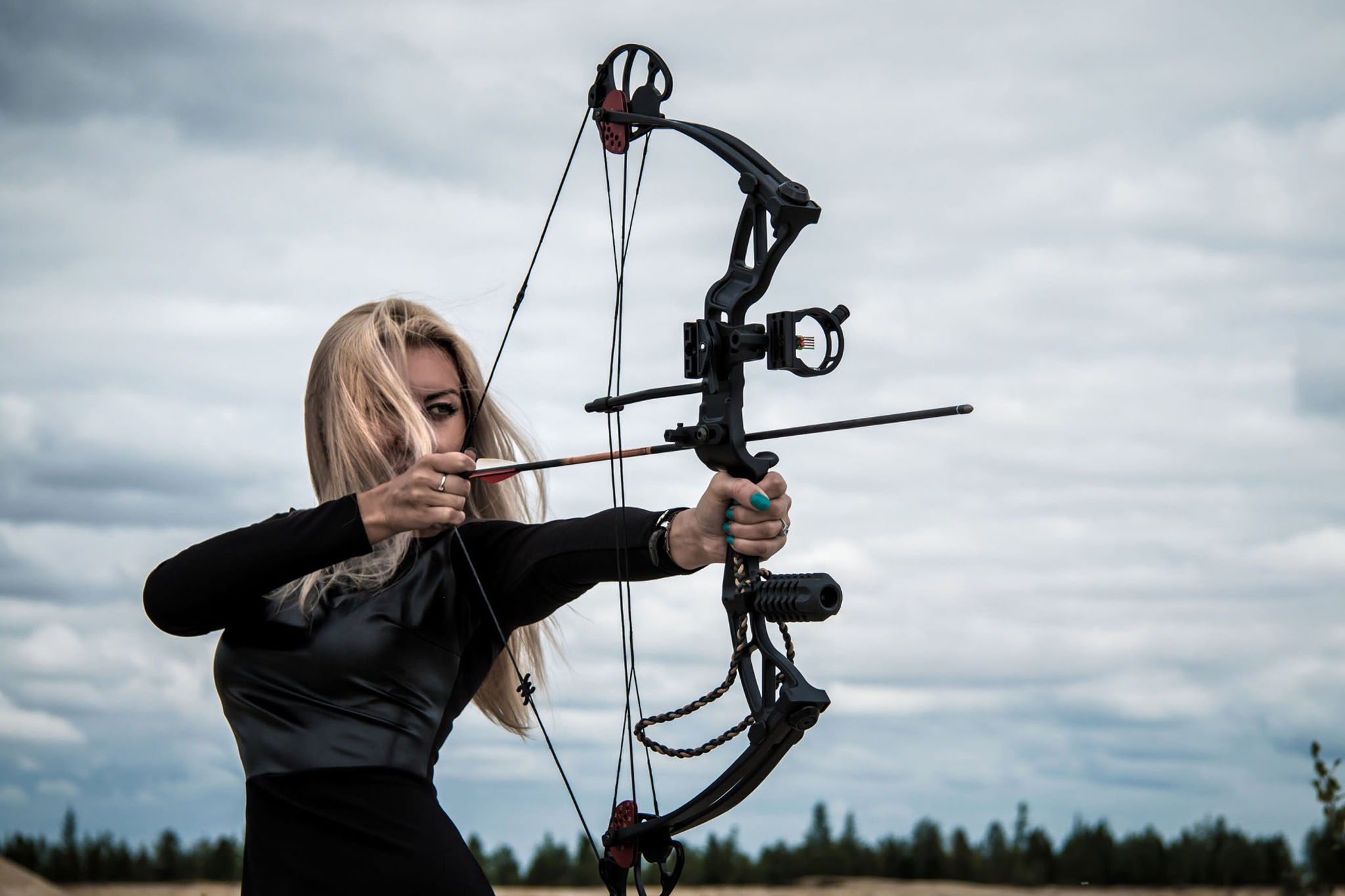
September marks the unofficial kickoff to bow season across much of the country. For hunters, it’s the month of anticipation, cooler mornings, and the first chance to test preparation against sharp-eyed whitetails and other game. But success in September isn’t just about climbing into the stand—it begins weeks earlier with dialing in your bow, arrows, and overall setup. Early season hunts demand precision, silence, and readiness. Here’s how to fine-tune your gear for maximum effectiveness this fall.
Why September Is Unique for Bowhunters
Hunting in September is a different game than chasing bucks in the chaos of the rut. Early fall brings warmer days, shifting winds, and deer that are still on predictable feeding-to-bedding patterns. That means you’ll likely only get one chance at a mature buck before he knows he’s being hunted. Every piece of your equipment needs to function flawlessly.
- Warmer conditions mean scent control and lightweight clothing are priorities.
- Deer are patternable, moving consistently between bedding cover and food sources.
- Shots may be longer or at awkward angles, especially near ag fields or food plots.
This is why early-season bowhunting rewards hunters who put in the time to perfect their gear before stepping into the woods.
Step 1: Bow Tuning and Maintenance
Before September hunts, your bow should be performing at its peak.
- Check string and cables for wear, fraying, or stretching. Replace if necessary.
- Paper tune your bow to ensure your arrows are flying straight. A small tear on paper now can mean a missed shot later.
- Cam timing and synchronization should be inspected—if your cams are out of sync, accuracy suffers.
- Sight pins and peep alignment must line up naturally at full draw. Practice in hunting clothes to simulate real conditions.
Step 2: Arrow and Broadhead Setup
Accuracy is only as good as your arrow and broadhead combination.
- Weight consistency: Make sure all arrows are the same total weight, including broadheads. Even a few grains off can shift your point of impact.
- Spin test your broadheads: Wobbling heads indicate alignment issues. Fixed blades in particular should be tuned with your bow for consistent flight.
- Mechanical vs. fixed: Early season often involves quartering-away shots. Mechanical broadheads can offer cleaner entry and larger wound channels, but fixed heads remain more reliable when bone is hit.
Step 3: Silence Is Everything
In September, woods are quiet, and deer are alert. One squeak from your rest or creak from your stand can ruin the hunt.
- Arrow rests: Ensure no metal-on-metal contact. Felt pads and moleskin can quiet things down.
- Stabilizers and dampeners: Modern dampening systems reduce vibration and string noise.
- Quiver check: Make sure broadheads don’t rattle when you shift your bow.
Step 4: Practice Like You Hunt
Shooting in the backyard is different from drawing on a buck in a treestand at first light.
- Elevated practice: Shoot from stands or platforms to simulate downward angles.
- Full gear practice: Wear your harness, release, and even gloves while practicing.
- Cold shot discipline: Make one arrow count every session to mimic real hunting pressure.
Step 5: Clothing and Accessories for Early Season
September hunts often require lighter layering systems. You need gear that breathes yet keeps you scent-free.
- Moisture-wicking base layers to handle warm afternoons.
- Light camo patterns that match early-season greenery.
- Ozone or carbon-based scent control to reduce detection in shifting thermals.
- Compact rangefinder and binoculars for judging distances in open feeding areas.
Step 6: Scent Control and Wind
No amount of gear tuning matters if deer smell you. Early season thermals can be tricky.
- Check wind constantly: Use powder puffs or milkweed fluff to track changes.
- Stay scent-free: Wash clothes in unscented detergent, store in sealed containers, and shower with scent-control soap before hunts.
- Entry and exit routes: Plan silent approaches that avoid blowing your scent into feeding fields.
Step 7: Mental Preparation
Finally, success comes down to composure. Early season deer are less forgiving.
- Decide your shot limits before you hunt. Know your max ethical range.
- Visualize shot placement—especially quartering-away angles.
- Stay patient: Don’t force a bad shot in September; it can ruin your entire season.
Conclusion
Bowhunting in September is about preparation and discipline. By fine-tuning your bow, arrows, and accessories before stepping into the stand, you set yourself up for clean, ethical kills when early-season opportunities present themselves. With deer on predictable feeding patterns and pressure still light, September is one of the best times of year to connect—if your gear is tuned to perfection.
Bottom line: Don’t treat September as a warm-up. Treat it as your first, and sometimes best, chance at success this fall.
