
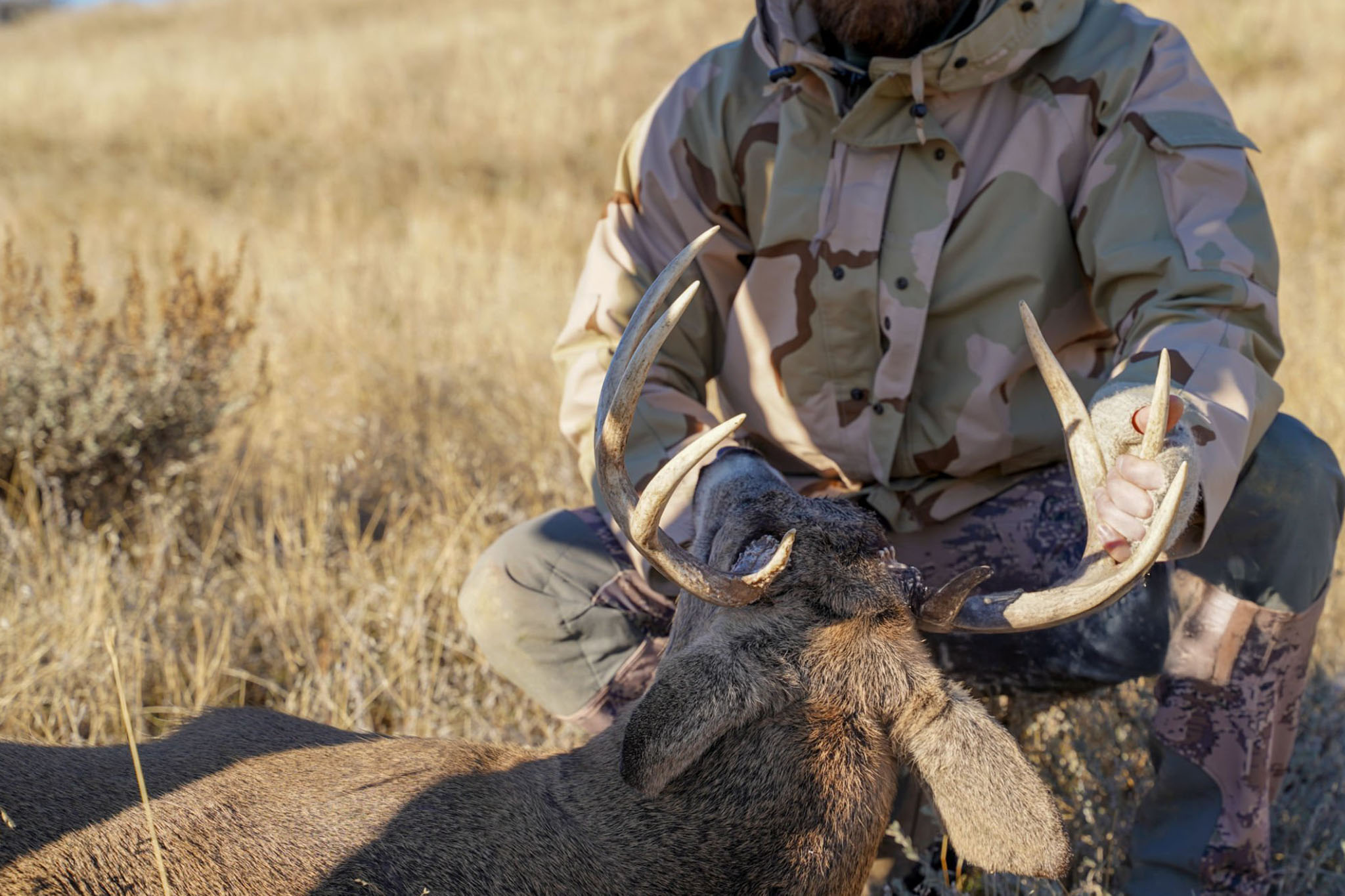
When acorns begin to fall in early fall, deer behavior shifts dramatically. For hunters, understanding this mast cycle can be the difference between an empty stand and a freezer full of venison. Acorn drop hunting is a time-tested strategy that aligns your approach with one of the most powerful natural food sources in the whitetail’s world.
Why Acorns Rule the Early Fall Woods
Unlike agricultural crops or food plots that may draw deer inconsistently, acorns are a native, highly nutritious, and irresistible food source. They’re rich in carbohydrates and fats, helping deer build energy reserves before the rut and winter. When acorns start hitting the ground, deer will often abandon summer feeding patterns in soybean or alfalfa fields and spend more daylight hours in hardwood stands.
Not all acorns are created equal, however. White oak acorns drop earlier, taste sweeter, and are generally preferred by deer. Red oak acorns are more bitter due to higher tannin content, but they last longer on the ground and provide late-season sustenance. Knowing which trees in your hunting area are producing, and when, is a game-changer.
Timing the Drop
Acorn production isn’t the same every year. Weather patterns, tree maturity, and stress factors all influence mast yields. Some years may see bumper crops, while others produce sparse amounts. Hunters should scout well ahead of the season to locate trees that are loaded with acorns.
- Early September: White oaks start dropping, often drawing deer into upland ridges and edges where these trees thrive.
- Mid to Late September: Red oaks begin to contribute, providing a steadier supply into October and beyond.
- October Peak: Deer will adjust travel routes to follow the freshest drops, often shifting bedding areas to stay close to active acorn sites.
Trail cameras and ground scouting are essential for identifying which stands of timber are attracting consistent deer traffic.
Identifying Hot Trees
You don’t need an entire forest of producing oaks to have a productive hunt. In fact, a single tree dropping acorns ahead of others can act like a magnet. Signs of a hot tree include:
- Fresh tracks and droppings beneath the canopy.
- Deer trails converging toward the tree.
- Acorns with cracked shells or chew marks scattered across the ground.
Hunters who take the time to identify these high-value trees often see deer activity in daylight hours, especially early in the season when hunting pressure is low.
Stand Placement for Acorn Drop Hunts
When hunting acorns, stand location is critical. Since deer are keyed into specific trees, being off by 50 yards could mean being out of the action. Here are some strategies:
- Edge Stands: Position along transition zones between bedding cover and oak flats.
- Ridge Setups: Deer love to travel ridgelines when moving to and from feeding areas.
- Close Canopy Hunts: If hunting directly under a hot tree, keep scent and wind in mind, since deer will often approach from multiple angles.
Portable stands or saddles work well for adapting quickly when you identify new dropping trees.
Hunting Pressure and Deer Behavior
Deer will adjust to hunting pressure quickly, even when food sources are abundant. Acorn drop hunting requires a balance between timing and stealth:
- Hunt the freshest drops as soon as you locate them. Waiting too long allows deer to shift feeding habits or become nocturnal.
- Rotate stands to minimize overhunting a single area.
- Pay attention to wind direction, especially when hunting close to bedding cover.
Beyond Acorns: Secondary Food Sources
While acorns dominate deer diets in the early fall, they aren’t the only factor. Soft mast (apples, persimmons) and agricultural crops can still compete. However, acorns usually become the backbone of deer movement. Blending acorn knowledge with other seasonal food sources provides a more complete hunting strategy.
Final Thoughts
Acorn drop hunting isn’t just about finding oak trees—it’s about learning how deer respond to mast cycles and positioning yourself accordingly. By scouting actively, identifying hot trees, and timing hunts around peak drops, you can significantly increase your odds of success this fall.
Hunters who master the acorn game consistently punch tags before the chaos of the rut even begins.
