
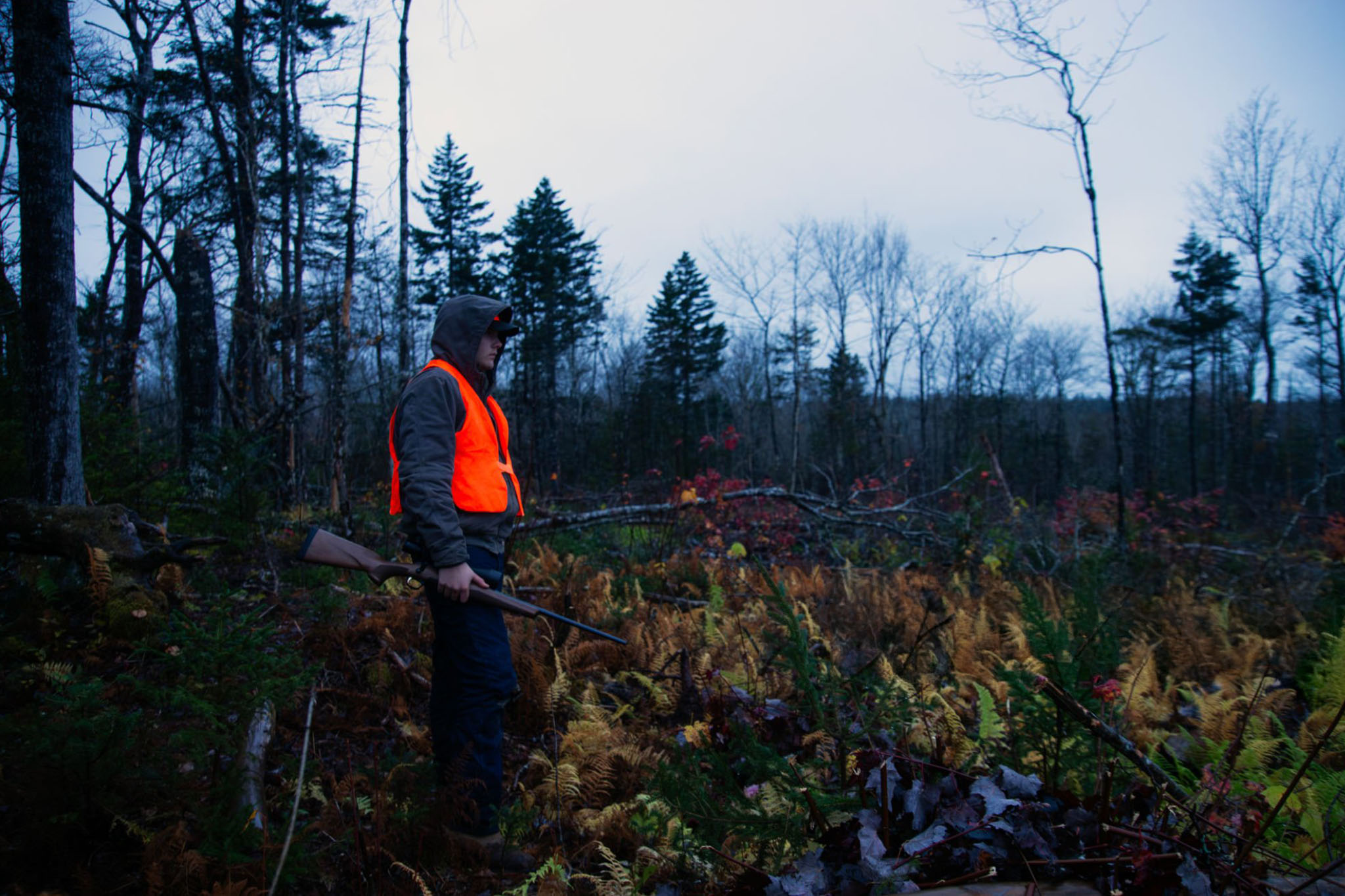
For many deer hunters, the choice between heading out at first light or settling into the stand before dusk is more than just personal preference—it’s a critical decision that can make or break a hunt. Morning and evening hunts each offer unique advantages, and understanding when and why deer move during these periods is the key to maximizing your time in the stand.
Understanding Deer Movement Patterns
Whitetails are crepuscular, meaning they are most active during the low-light hours of dawn and dusk. But this doesn’t mean deer behave the same way in the morning as they do in the evening.
- Morning Movement: Deer are typically returning from feeding areas to bedding cover. Mature bucks often hang back, letting younger deer move first.
- Evening Movement: Deer emerge from bedding cover and make their way to food sources. Evening sits usually provide more visible action but can be heavily influenced by weather, moon phase, and hunting pressure.
Knowing the “why” behind each pattern helps you choose which hunt gives you the best odds.
The Case for Morning Hunts
Morning hunts can be productive—especially early in the season or during the rut. Here’s why:
- Cooler Temperatures: Deer are more comfortable moving in cooler morning air, particularly in September and early October.
- Return to Bedding: Setting up along travel corridors between feeding fields and bedding areas can put you directly in a buck’s path.
- Rut Advantage: During the rut, bucks may be cruising at first light, checking doe bedding areas.
Best Morning Setup: Hang a stand just off bedding cover or along pinch points like saddles, creek crossings, or funnels. Make sure your entry is quiet and downwind—spooking deer on the way in ruins your chance before you even climb into the stand.
The Case for Evening Hunts
Evening hunts are a staple of early-season strategies, and for good reason:
- Predictable Feeding Patterns: Deer head toward food plots, acorn flats, or agricultural fields in the evening.
- Less Invasive Access: Walking into a stand in daylight is easier, and you’re less likely to bump deer than during dark morning approaches.
- Better Visibility: Longer daylight in the afternoon often means more time to observe movement and adjust for future sits.
Best Evening Setup: Position stands between bedding areas and food sources, ideally downwind of trails or staging areas where bucks hang up before entering open fields.
Factors That Influence Success
Timing isn’t everything. A few other elements determine whether morning or evening hunts pay off:
- Weather: Overcast skies, temperature drops, and shifting winds can spur movement at either end of the day.
- Moon Phase: Some hunters swear by moon charts; late moonrise mornings can boost deer activity after sunup.
- Hunting Pressure: On heavily hunted land, deer often shift toward later evening or earlier morning movement to avoid hunters.
- Season Stage: Early fall often favors evenings, while the rut evens the playing field, and late season often leans back toward evenings near food.
Tips to Maximize Your Hunts
- Play the Wind: No matter the time of day, a bad wind ruins a hunt faster than anything else.
- Quiet Entry and Exit: Use terrain, creeks, or standing crops to conceal movement.
- Stay Flexible: Don’t lock yourself into only hunting mornings or evenings—adapt based on current conditions.
- Scout Smart: Use trail cameras and glassing to verify when deer are moving in your hunting area.
Final Thoughts
The debate between morning and evening hunts doesn’t have a one-size-fits-all answer. Success depends on deer behavior in your specific hunting ground, the time of year, and how well you play the wind and terrain. For early-season hunts, evenings often provide higher odds, while rut mornings can be dynamite. The best hunters are those who stay flexible, observe patterns, and adjust accordingly.
Whether you’re slipping into the stand before first light or settling in as the sun drops, the key is making every sit count.
