
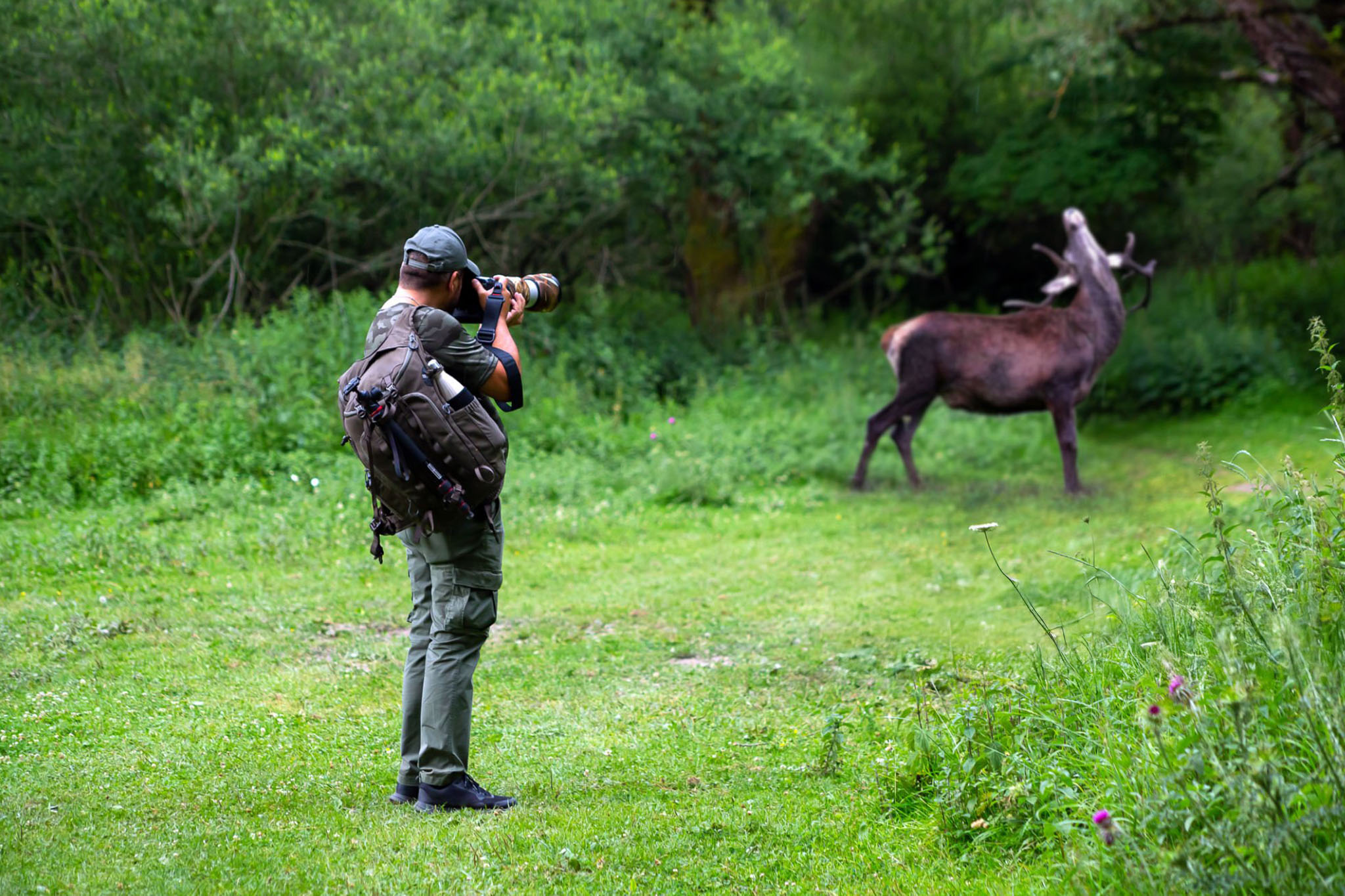
Gone are the days when scouting for deer or other game meant weeks of burning boot leather before the season began. While in-person scouting is still valuable, today’s hunters have a powerful tool at their fingertips: digital scouting. With modern hunting apps, aerial imagery, and topographic maps, you can map out effective fall hunting strategies long before you step foot in the woods.
Here’s how to use technology to stack the odds in your favor this fall.
Why Digital Scouting Matters
Digital scouting is more than convenience—it’s efficiency. By studying terrain and habitat remotely, you can:
- Identify bedding, feeding, and travel corridors without overpressuring deer.
- Save time by narrowing down stand locations before walking properties.
- Access private and public land boundaries with confidence.
- Plan entry and exit routes that minimize disturbance.
For hunters balancing busy lives, apps and aerials turn spare time at home or in the office into productive prep for the season.
Choosing the Right Tools
Several platforms are popular among whitetail and big-game hunters. While features vary, most include aerial photos, topo maps, and property line overlays.
- onX Hunt – Known for property ownership data, public/private boundaries, and waypoint customization.
- HuntStand – Offers aerial imagery, detailed mapping layers, and stand management tools.
- BaseMap – Affordable option with offline maps and gear tracking.
- Google Earth – A free tool with high-resolution satellite imagery for terrain analysis.
Having one or more of these apps in your toolkit gives you flexibility depending on the situation.
Reading Aerial Imagery Like a Hunter
Aerial photos reveal more than just land layout—they tell a story of how deer and other wildlife move across the landscape.
Look for:
- Edge Habitat: Where timber meets fields, brush lines, or water. Deer love these transition zones.
- Food Sources: Identify crop fields, oak flats, or early successional growth.
- Water Features: Creeks, ponds, and swamps act as both drinking sources and travel corridors.
- Cover: Thickets, cedars, or uncut fields provide bedding security.
By marking these features on your map, you’ll begin to see the natural flow of deer movement.
Using Topo Maps to Pinpoint Movement
Topographic layers are equally important. Deer often move with terrain advantages, and topo maps highlight subtle shifts that may not be obvious from the ground.
- Ridges and Saddles: High-traffic travel corridors. Saddles, in particular, funnel movement.
- Benches: Flat shelves on hillsides where deer bed or travel.
- Funnels: Narrow passages between two obstacles—like a creek and a ridge—create predictable movement.
- Drainages: Low-lying cover-filled areas that deer use for concealment.
These terrain features often align with sign you’ll later find in person, like rub lines or well-worn trails.
Planning Access Routes
Digital scouting doesn’t stop with finding where to hunt—it’s also about how to get there. Apps make it easy to mark entry and exit routes that:
- Keep you downwind of bedding areas.
- Use terrain (like ridges or creeks) to conceal sound and movement.
- Avoid food plots or travel corridors during peak movement times.
This planning ensures your stand location remains undisturbed and productive throughout the season.
Combining Digital and Physical Scouting
No matter how sharp your digital eye, nothing replaces boots on the ground. Use your app as a guide, then confirm findings in person. For example:
- Aerials may show a promising funnel, but walking it could reveal rubs or scrapes.
- Topo maps highlight a saddle, but on-site inspection may confirm well-worn trails.
- Property lines help you avoid trespassing, but flagging physical markers keeps things safe and legal.
Digital scouting creates the blueprint; field scouting provides the validation.
Common Mistakes in Digital Scouting
Even with the best tools, hunters sometimes misinterpret what they see. Avoid these pitfalls:
- Overconfidence in imagery: Deer patterns shift with food availability and pressure. Update your scouting often.
- Ignoring wind and thermals: A great stand location is useless if the wind isn’t in your favor.
- Skipping ground truthing: Always confirm digital findings with boots-on-the-ground observations.
Final Thoughts
Digital scouting has revolutionized fall hunting prep. By combining aerial imagery, topographic maps, and mobile apps, you can identify prime hunting locations, plan stealthy access routes, and maximize your time in the field.
When hunting season arrives, you’ll step into the woods with confidence—not guessing, but knowing where deer are likely to move. In today’s world of limited free time and pressured deer herds, mapping success with apps and aerials is no longer optional—it’s essential.
