
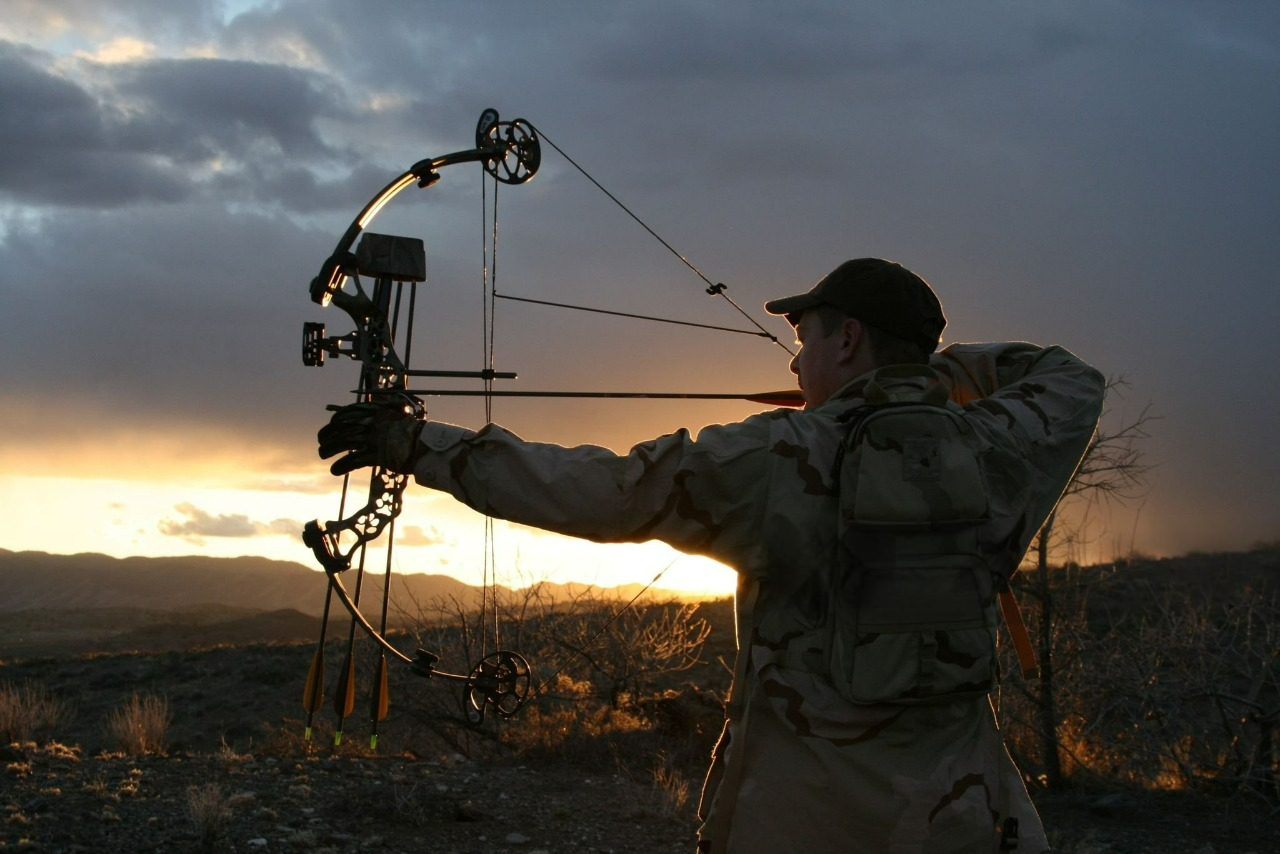
When it comes to bowhunting whitetails, few debates spark as much passion as the choice between fixed-blade and mechanical broadheads. Both options can put venison in the freezer and antlers on the wall, but each has unique strengths and weaknesses. Understanding the differences—and how they apply to your setup and hunting conditions—is essential for making the right call before climbing into the stand.
The Case for Fixed-Blade Broadheads
Fixed-blade broadheads are the time-tested choice, with razor-sharp blades permanently exposed. They’ve been around since the beginning of modern bowhunting and remain popular among traditionalists and high-penetration advocates.
Advantages of Fixed Blades:
- Reliability: With no moving parts, there’s virtually nothing to fail. Even in cold, wet, or dirty conditions, they’ll cut on contact.
- Penetration: Fixed heads often deliver deeper penetration, making them ideal for larger-bodied whitetails or quartering shots.
- Durability: Most are made from solid steel or aluminum, and many can be re-sharpened for multiple uses.
- Versatility: Effective across a wide range of draw weights and arrow setups, from traditional recurve bows to modern compounds.
Drawbacks of Fixed Blades:
- Tuning Required: Fixed broadheads can expose flaws in arrow flight. Perfect bow tuning and proper fletching are critical for accuracy.
- Wind Drift: Large cutting diameters may plane in flight, especially in windy conditions.
- Smaller Wounds: Compared to mechanicals, fixed heads often create smaller entry and exit wounds, which can affect blood trails.
The Case for Mechanical Broadheads
Mechanical (or expandable) broadheads remain one of the biggest innovations in modern archery gear. These heads fly with a narrow profile and expand on impact to deliver massive cutting diameters.
Advantages of Mechanicals:
- Field-Point Accuracy: Their slim in-flight profile makes them fly much like practice tips, reducing tuning headaches.
- Larger Wound Channels: Massive cutting diameters lead to heavy blood trails and quick recoveries, provided penetration is adequate.
- Forgiving for Beginners: Hunters who struggle with tuning or long-range accuracy often find mechanicals more forgiving.
Drawbacks of Mechanicals:
- Moving Parts: Blades may fail to deploy properly, especially after hitting bone or when clogged with debris.
- Reduced Penetration: Energy is lost when blades open, which can limit effectiveness on heavy-boned deer or when using lower-poundage bows.
- Durability Concerns: Thin blades may bend or break on impact, reducing the chance of a pass-through.
- Not Legal Everywhere: Some states restrict or ban mechanical broadheads, so hunters must always check regulations.
Factors to Consider When Choosing
Your choice should depend on more than just personal preference. Consider these key factors:
- Draw Weight & Arrow Speed: Lower-poundage bows (below 60 lbs) may benefit from fixed heads for deeper penetration. High-speed compounds can push mechanicals effectively.
- Hunting Terrain: In thick cover, fixed blades provide durability when shots may hit brush. In open fields, mechanicals may offer longer-range accuracy.
- Shot Angles: Quartering shots demand maximum penetration, favoring fixed blades. Broadside shots with clear lanes can be ideal for mechanicals.
- Deer Size: For mature Midwestern bucks or heavier-bodied deer, penetration from fixed heads may be a safer bet. For smaller-bodied whitetails in the South or East, mechanicals can work very well.
- Confidence Factor: The best broadhead is the one you trust. Confidence in your gear leads to better decision-making in the stand.
Hybrid Options: Best of Both Worlds?
Some companies now produce hybrid broadheads—combining fixed blades with expandable cutting surfaces. These aim to deliver both guaranteed penetration and wide wound channels. While not perfect, hybrids offer a middle ground for hunters who struggle to pick a side.
Final Thoughts
The fixed vs. mechanical debate will likely never end—and that’s a good thing. It means bowhunters have options to match their setups, preferences, and hunting conditions.
- If you want bulletproof reliability and maximum penetration, fixed blades are tough to beat.
- If you prioritize accuracy and massive blood trails, mechanicals may be the better choice.
Ultimately, both can drop a whitetail in its tracks when paired with a tuned bow, sharp blades, and good shot placement. The best advice? Test both, find what gives you confidence, and head into the woods knowing your setup is ready for the moment of truth.
