
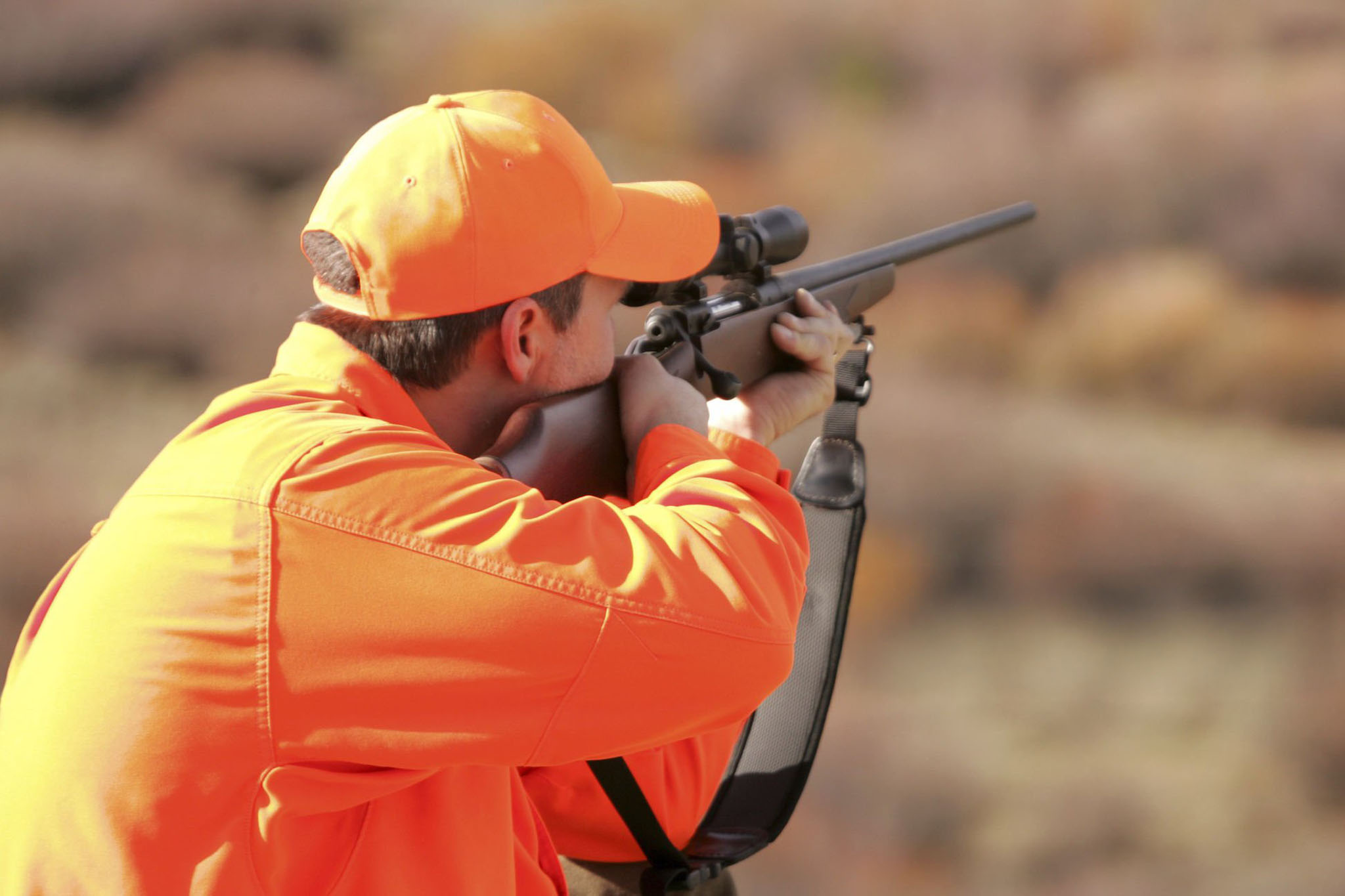
Not every hunter has access to sprawling farms or thousands of acres of timber. For many whitetail hunters across the U.S., opportunities come in the form of small parcels—sometimes as little as 10 to 40 acres. While these compact properties may seem limiting, the truth is, with smart strategy, they can be some of the most productive hunting grounds you’ll ever step foot on. The key lies in understanding how deer use the landscape, applying low-impact tactics, and squeezing every ounce of potential from limited acreage.
Understanding the Value of Small Properties
Deer don’t see property lines. A 20-acre tract might look small on a map, but if it’s situated near bedding cover, a major food source, or along a natural travel corridor, it can become a high-traffic hotspot. Smaller properties often serve as transition zones, where deer move between bigger tracts of timber, agricultural fields, and bedding areas.
In fact, many hunters who consistently tag mature bucks do so on small properties because:
- They’re easier to pattern deer with fewer stand options and less land to cover.
- They can serve as sanctuaries if neighboring landowners apply more hunting pressure.
- They allow hunters to be highly strategic, focusing on only the best setups.
Key Principles for Success on Small Tracts
1. Minimize Intrusion
On limited acreage, every step you take matters. Excessive scouting, poorly timed hunts, or bad access can educate deer quickly. Treat the property like a sanctuary:
- Limit scouting to trail cameras, glassing from a distance, or post-season shed hunts.
- Use quiet, scent-free entry and exit routes that avoid bedding and feeding zones.
- Hunt only with the right wind conditions, even if that means skipping a day.
2. Identify Core Features
Even small properties typically contain at least one of the “big three”: food, cover, or water. Knowing which your property offers (and which it lacks) helps determine how deer will use it.
- If you have cover, deer may bed there, making careful access essential.
- If you have food, expect evening movement and neighboring deer funneling in.
- If you have water, it may serve as a key stop during warm early-season hunts.
3. Capitalize on Travel Corridors
Small parcels often lie along edges, fence lines, creek bottoms, or hedgerows—classic deer travel routes. Hanging a stand along these funnels maximizes your chances of intercepting deer as they move naturally through your ground.
Enhancing Small Properties for Deer Hunting
Hunters who own or lease small acreage can make improvements that boost deer use:
- Food Plots: Even a ¼-acre clover or brassica plot can draw deer consistently.
- Habitat Work: Hinge cutting, planting switchgrass, or leaving thick cover can turn marginal ground into a bedding sanctuary.
- Mock Scrapes & Mineral Sites: Great for monitoring deer activity with trail cameras and conditioning bucks to frequent your land.
These enhancements don’t just attract deer—they also encourage them to spend more daylight hours within your boundaries.
Smart Stand Placement
On a small property, you might only have one or two truly huntable stand sites. Choosing wisely is critical.
- Wind & Access: Prioritize setups that allow you to slip in and out without spooking deer.
- Observation Stands: Early in the season, consider hanging back and glassing to avoid over-hunting prime stands too soon.
- Mobile Options: A saddle or lightweight climber stand allows flexibility if patterns change.
Remember: hunting pressure has a magnified effect on small properties. One poorly timed hunt can shift deer activity off your land entirely.
Working With Neighbors
Since small properties rarely contain everything deer need, collaboration—or at least awareness—of surrounding landowners is important. If neighbors hunt aggressively, your land can become a safe haven. If neighbors plant food plots, you might benefit from focusing on travel routes leading to their crops.
Whenever possible, establish good relationships with neighbors to:
- Share trail camera data and deer movement observations.
- Coordinate harvest goals, especially for bucks.
- Create a collective management mindset that benefits the whole area.
Hunting Pressure: Less Is More
The biggest mistake hunters make on small tracts is hunting too often. Unlike big leases where you can rotate stands across hundreds of acres, limited ground magnifies your presence.
- Be selective about when you hunt—focus on cold fronts, rut activity spikes, and optimal wind conditions.
- Resist the urge to check cameras or “just go sit” on slow days.
- Treat every hunt like it’s your best opportunity of the season.
Final Thoughts
Hunting small properties requires discipline, patience, and strategy—but the rewards can be tremendous. By minimizing intrusion, capitalizing on travel corridors, and making thoughtful habitat improvements, you can turn a modest parcel into a consistent producer of deer encounters and even mature buck opportunities.
Remember, it’s not about how much land you have—it’s about how well you hunt the land you’ve got.
