
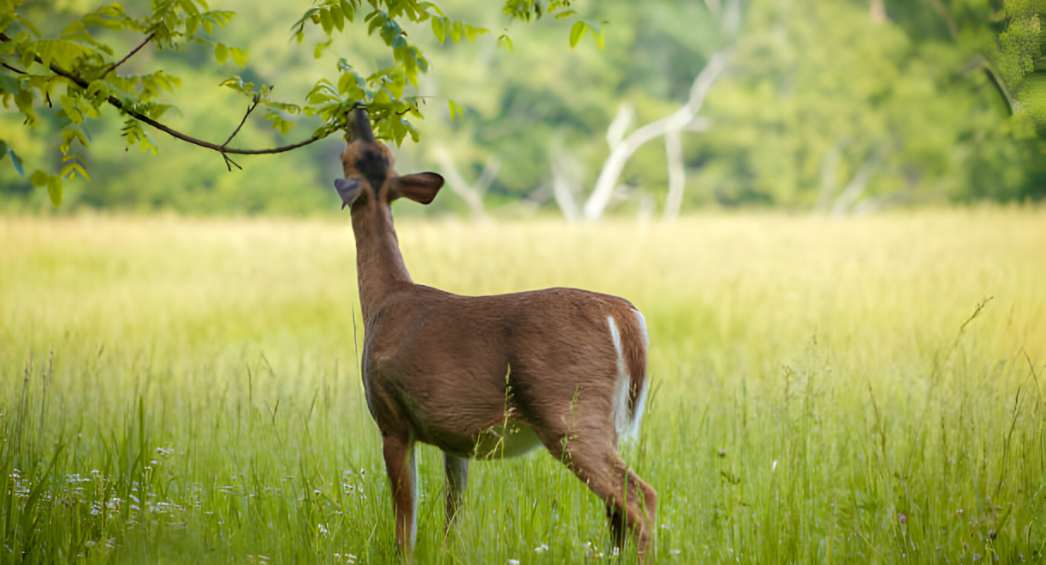
As summer gives way to early fall, hunters often notice deer activity taking on a different rhythm. The long days of easy feeding in bean fields and lush summer pastures begin to fade, and with shorter daylight hours and cooling temperatures, whitetails adjust their daily routines. The key driver behind this shift is changing food sources—and understanding it can make or break your early-season hunt.
The Role of Seasonal Food Sources in Deer Behavior
Whitetail deer are opportunistic feeders. They move with the seasons, adjusting to what’s most abundant and energy-rich. In September and early October, their feeding patterns undergo some of the most dramatic transitions of the year. Hunters who keep track of these food shifts—and adapt their stand locations accordingly—gain a significant edge.
Here’s how food source availability influences movement:
- Summer Diet: Primarily soft vegetation, alfalfa, soybeans, clover, and forbs.
- Early Fall Diet: Transition toward high-energy mast crops (acorns, apples, persimmons) and harvested agricultural fields.
- Pre-Rut and Rut Diet: Increased reliance on mast crops, corn, and browse, as activity ramps up and bucks burn calories covering ground.
Soybeans and Agricultural Crops: The First Big Change
In late summer, green soybean fields are prime feeding zones, drawing deer into the open during daylight hours. But as September progresses and bean plants yellow and dry down, deer often abandon them. Hunters who keep sitting over beans without recognizing this shift often find themselves staring at empty fields.
Tip for hunters: As beans dry, look to freshly cut alfalfa fields, standing corn, or hayfields for consistent activity. Bucks will begin staging in edges and transition areas rather than feeding openly in fields.
The Acorn Drop: A Game-Changer for Early Fall Hunts
Perhaps the most influential early fall food source is the acorn crop. White oak acorns, in particular, are like candy to whitetails—rich in carbohydrates and easy to digest. When oaks begin dropping acorns, deer abandon summer fields almost overnight, shifting their focus deep into the timber.
- White Oaks: Preferred because of lower tannin levels, often drawing heavy activity in early fall.
- Red Oaks: Less palatable initially due to higher tannin content but become important later in the season.
Hunting takeaway: Scout oak ridges, creek bottoms, and transition zones. If you find fresh droppings and acorn caps, you’ve found a hotspot.
Fruit Trees and Soft Mast: Overlooked but Powerful
In certain regions, apple trees, persimmons, and even wild grapes play a huge role in September feeding. Bucks love soft mast for its sugar content, and these trees can become staging areas before deer head deeper into the woods.
Tip for hunters: If you locate an old apple tree or a patch of persimmons near bedding cover, hang a stand nearby. Deer will often visit during daylight, especially in the early season before hunting pressure intensifies.
Bedding to Feeding: Adjusting Travel Corridors
As food sources change, so do travel patterns. Bucks that once made straight-line movements to soybean fields now adjust routes to hit acorn flats or fruit-bearing trees. This makes transition zones and edge habitat incredibly valuable for stand placement.
- Focus on funnels between bedding and mast-producing areas.
- Hunt edges where cover meets cut fields, especially in low-pressure properties.
- Use trail cameras to confirm patterns rather than guessing.
Weather, Pressure, and Timing
Food availability is the primary driver, but two other factors play roles in early fall movement:
- Cold Fronts: A sudden temperature drop often triggers increased daylight movement as deer feed heavily before a shift in weather.
- Hunting Pressure: Early season is when deer are most patternable—but also when they spook easily. Minimize intrusion, hunt the wind, and consider off-the-beaten-path access routes.
Hunting Strategies for Early Fall Food Shifts
- Scout Smart: Use glassing and trail cameras to pinpoint current feeding zones.
- Adapt Quickly: Don’t waste sits over food plots or beans that have gone cold—shift with the deer.
- Stay Mobile: A climbing stand or saddle allows you to adjust as food sources and deer movement change week by week.
- Focus on Evening Hunts: Morning hunts can risk bumping deer on their way back from feeding, while evenings capitalize on predictable travel toward food.
Final Thoughts
Early fall is a time of transition, and successful hunters recognize that deer movement revolves around food. From the drying soybean fields to the first white oak acorns hitting the ground, every shift creates new opportunities. The key is staying flexible—scout often, move with the food, and capitalize on changing patterns before hunting pressure and rutting activity reset the game.
