
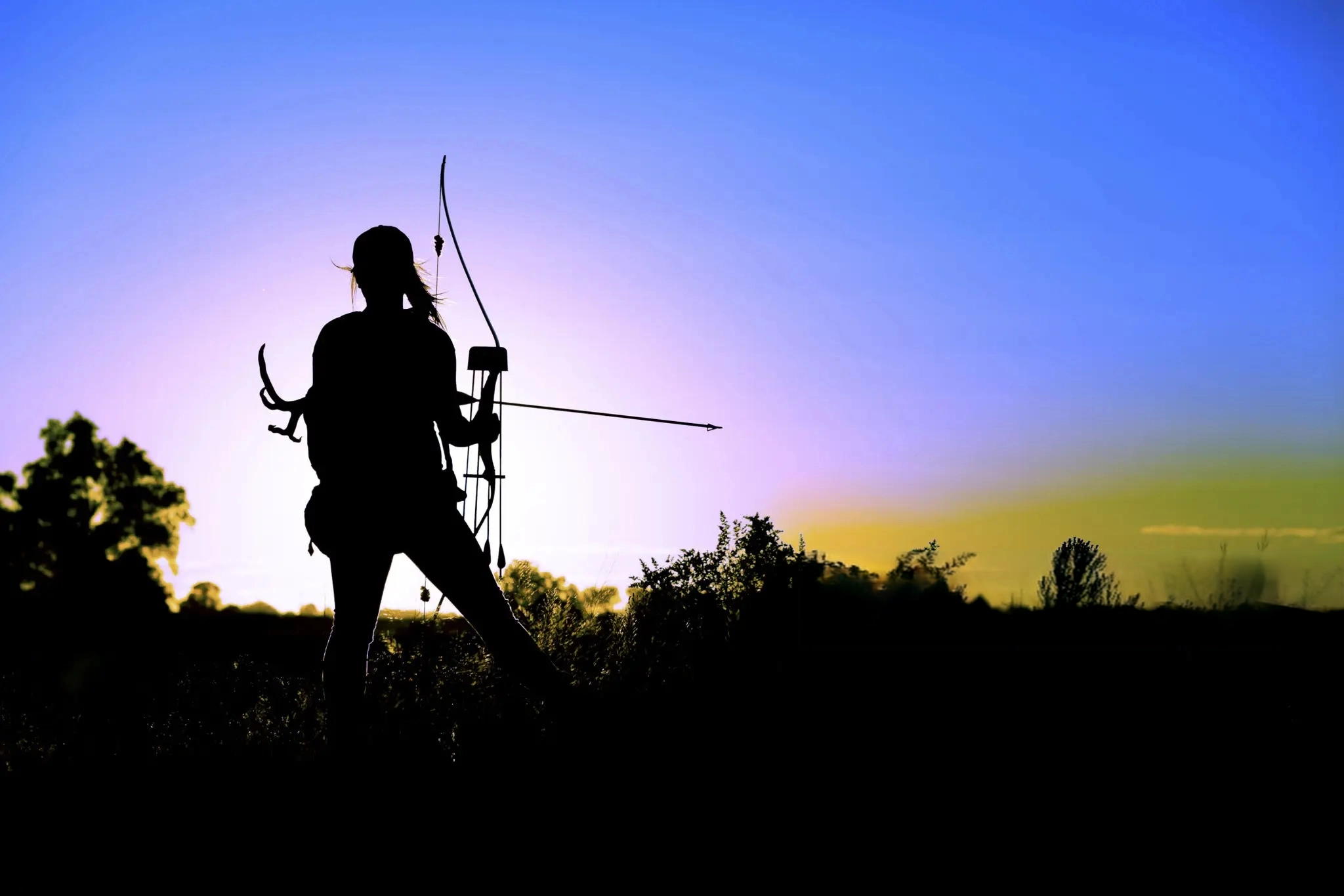
Ask any seasoned whitetail hunter what ruins an early-season spot faster than anything else, and most will say one word: pressure. Mature bucks, in particular, don’t tolerate repeated disturbances. In September and early October, when deer are still in somewhat predictable feeding and bedding patterns, a single mistake in approach, noise, or scent can turn your honey hole into a ghost town overnight.
That’s why learning the art of the silent approach is one of the most valuable skills for hunters. It’s not just about being quiet—it’s about reducing your presence in every way possible so deer never know you were there.
Why Pressure Matters Most in Early Season
Early-season deer aren’t yet distracted by the rut. Bucks are focused on food, bedding, and survival. Unlike in November, when a hot doe might override caution, September whitetails are hypersensitive to danger:
- Repeated disturbances near food plots or crop fields push deer into nocturnal patterns.
- Unplanned noise from stands, gear, or careless approaches warns the herd.
- Lingering scent trails condition deer to avoid an area altogether.
Minimizing pressure now means you’ll have better odds of encountering daylight movement—not just in September, but throughout the season.
Key Strategies for a Silent Approach
1. Perfecting Entry and Exit Routes
Your route to and from the stand matters as much as where you hunt.
- Use terrain features like ditches, creek beds, and fencerows to stay out of sight.
- Avoid bedding areas at all costs. Even if you’re silent, bumping deer ruins the spot.
- Mark routes in advance with reflective tacks or GPS waypoints so you don’t wander noisily in the dark.
2. Timing Your Approach
Slip in early enough that deer aren’t already feeding nearby. In the evenings, get set at least two hours before prime time. In mornings, consider staging farther from the food source and hunting travel corridors to avoid spooking deer still in fields.
3. Sound Discipline
The quietest hunters think about every detail:
- Silence gear before season. Tape metal buckles, oil squeaky stands, and secure loose items.
- Dress at the truck. Avoid noisy zippers and Velcro once you’re close to bedding areas.
- Walk with intention. Short, careful steps that mimic natural forest sounds are less alarming than crunching straight lines.
4. Scent Control and Wind Awareness
Even a silent approach fails if the wind betrays you.
- Always plan entry with the wind in your face or quartering.
- Spray down boots and clothing with scent-neutralizing products.
- Mind your exit. Don’t blow scent into a feeding field as deer arrive after dark.
5. Low-Impact Stand Selection
Sometimes the best stand isn’t the one closest to the action. In early season, hunt edges and staging areas rather than diving into the heart of deer movement. Save aggressive setups for later in the season.
Gear That Helps Keep You Silent
- Rubber boots: Reduce scent and quiet footsteps compared to leather soles.
- Quiet fabrics: Fleece and wool beat stiff synthetics or noisy rain gear.
- Climbing sticks vs. screw-in steps: Modern sticks are faster and quieter for mobile setups.
- Soft bow/gun cases: Muffle sound when loading or unloading gear near your spot.
Common Mistakes That Create Pressure
- Overhunting the same stand – Even with great access, deer will pattern you. Rotate stands when possible.
- Exiting through food sources at night – Busting deer out of a field after dark educates the whole herd. Wait them out or use terrain cover to slip away unseen.
- Ignoring wind shifts – A “silent” approach is meaningless if deer smell you long before you arrive.
- Forgetting about vehicles – Slamming truck doors or pulling too close to fields is a red flag to wary deer.
Blending Patience with Stealth
Early season success often comes down to patience. Instead of charging into your best stand at the first opportunity, wait for the right wind and conditions. Think long game: a low-pressure strategy in September builds confidence in deer, keeping them moving naturally well into October and November.
Conclusion: Silence is Your Best Weapon
Bowhunters and rifle hunters alike can agree: the quieter and less intrusive you are in September, the better your odds later in the season. By perfecting entry routes, mastering scent control, and avoiding overpressure, you’ll position yourself for close-range encounters with bucks still on their early-season patterns.
In the end, the deer that never know you’re there are the ones most likely to walk within range. Silence doesn’t just protect your hunt—it creates opportunities for success all season long.
