
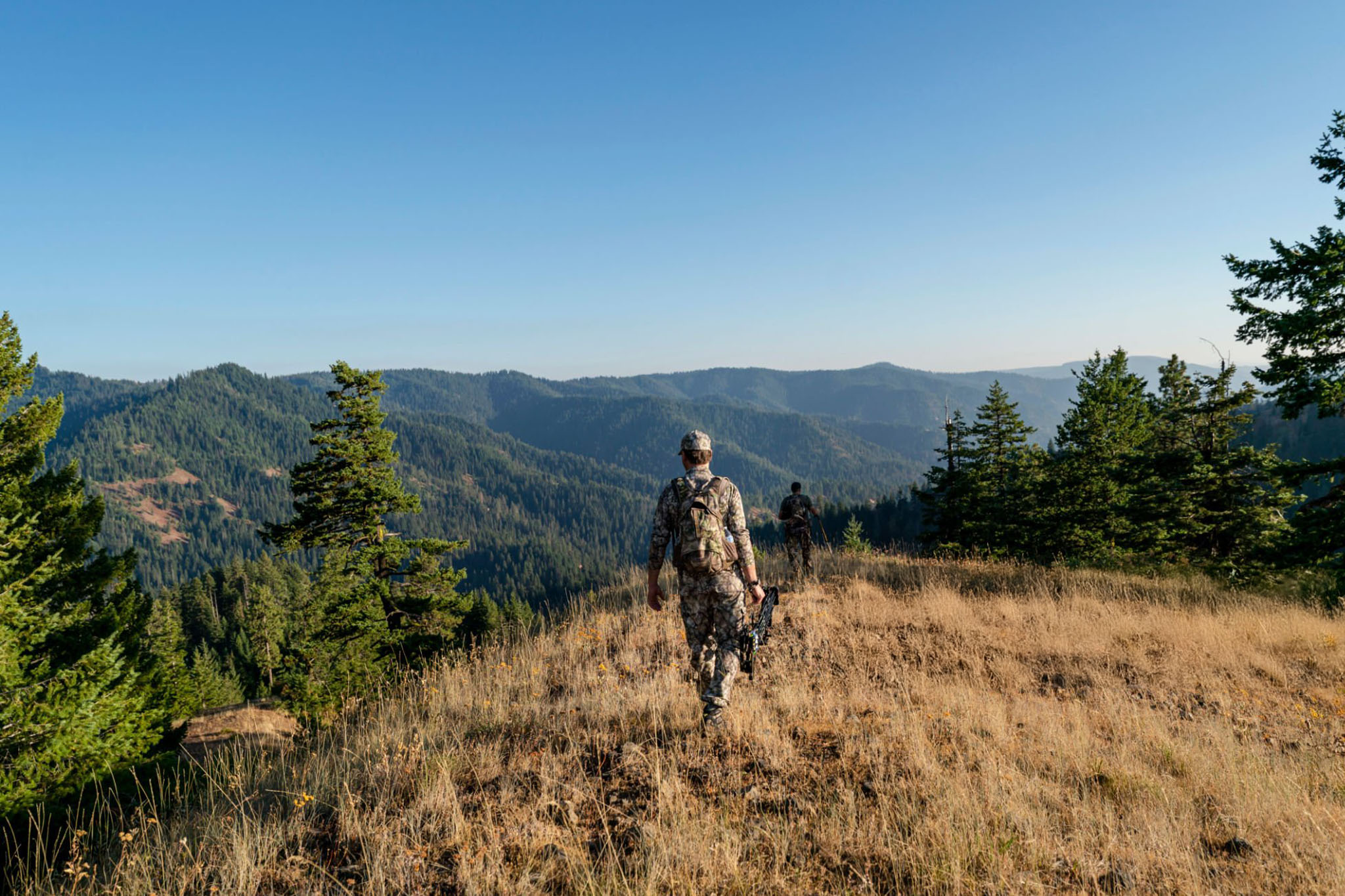
For serious whitetail hunters, September and October mark a major shift in deer behavior. While summer food sources like soybeans, clover, and alfalfa plots can dominate early season movement, everything changes the moment acorns begin to fall. The annual acorn drop is one of the most influential food events in a buck’s life, and understanding where deer go during this time can make or break your hunt.
In this article, we’ll break down why bucks key in on acorns, the types of oaks that matter most, and the best strategies for intercepting them during this highly food-driven period.
🌳 Why Acorns Are a Whitetail Magnet
Acorns are essentially deer candy—high in fats, carbohydrates, and protein. This nutritional powerhouse helps whitetails pack on the calories they need to survive the rut and the coming winter.
- Palatability: Deer will abandon lush fields of green forage the moment acorns start dropping because acorns are more calorie-dense.
- Abundance: A single oak tree can produce hundreds of pounds of food in a good mast year, creating a hotspot that keeps deer coming back daily.
- Security: Unlike open ag fields, acorns often fall in wooded areas where bucks feel safer moving in daylight.
🌰 Red Oaks vs. White Oaks
Not all acorns are created equal. Hunters who can identify the difference between red oaks and white oaks instantly gain an edge.
- White Oaks: These acorns are less bitter, sweeter, and preferred by deer. They drop earlier in the season, usually late September through October, making them the first “hot spot” of the acorn shift.
- Red Oaks: These drop later, often into November. They’re more bitter, but deer will eat them heavily once white oaks are gone.
Pro Tip: If you’re scouting in September, focus on white oaks first. If you can locate a tree that’s actively dropping, you’ve likely found a place where bucks will stage during daylight hours.
🦌 Buck Movement During the Acorn Drop
Bucks adjust their feeding patterns significantly once acorns are available:
- From Fields to Timber: Instead of heading to open food plots at dusk, bucks shift to oak flats and ridges where acorns are plentiful.
- Shorter Movements: Because acorns are often closer to bedding areas, deer don’t have to travel as far. This keeps them active in the woods, even during daylight.
- Unpredictable Travel Routes: Unlike a field edge, where deer funnel predictably, acorns are scattered across the forest floor. This can make patterns harder to nail down without thorough scouting.
🔍 How to Scout for Acorn-Focused Bucks
Finding the right tree is more important than simply sitting in an oak grove. Here’s how to pinpoint hot feeding areas:
- Look for Droppings and Tracks: Fresh deer sign under a tree means acorns are not just dropping—they’re being eaten.
- Check the Canopy: Use binoculars to look for green or brown acorns still in the trees. Focus your hunts where trees are loaded.
- Listen in the Woods: On calm mornings and evenings, you can sometimes hear acorns dropping, helping you zero in on active trees.
- Trail Cameras: Place cameras on ridge lines, oak flats, or staging areas to confirm when bucks are feeding in daylight.
🎯 Hunting Strategies for Acorn-Focused Deer
Hunting during the acorn drop requires a different approach than field-edge hunts:
- Set Up Inside the Timber: Instead of hunting the field edge, move 50–100 yards into the woods near dropping oaks.
- Play the Wind Religiously: With deer feeding deeper in cover, you’ll need bulletproof wind setups to avoid getting busted.
- Evening Hunts Dominate: Bucks often bed close to acorn sources and rise to feed just before dark. Evening sits near oaks can be your best bet.
- Don’t Overpressure a Tree: Once you identify a hot oak, treat it carefully. Too much hunting pressure will push deer elsewhere fast.
🌡️ How Weather Affects Acorn Hunting
- Cool Evenings: Deer hit acorns earlier when temperatures drop.
- Rain and Wind: These can knock down more acorns at once, creating a short-term feeding frenzy.
- Frosts: In late fall, acorns may sour or become less palatable, pushing deer back toward agricultural fields.
✅ Final Thoughts
When acorns start dropping, they completely reshape the deer woods. Bucks that were once predictable on soybean fields or clover plots will suddenly vanish, only to reappear deep in oak ridges and timber flats.
If you want to capitalize on this shift, scout aggressively, locate hot trees, and adjust your hunting setups accordingly. Mastering acorn feeding patterns is one of the most reliable ways to get close to mature bucks during the early season.
This fall, don’t waste time on empty fields—find the acorns, and you’ll find the deer.
