
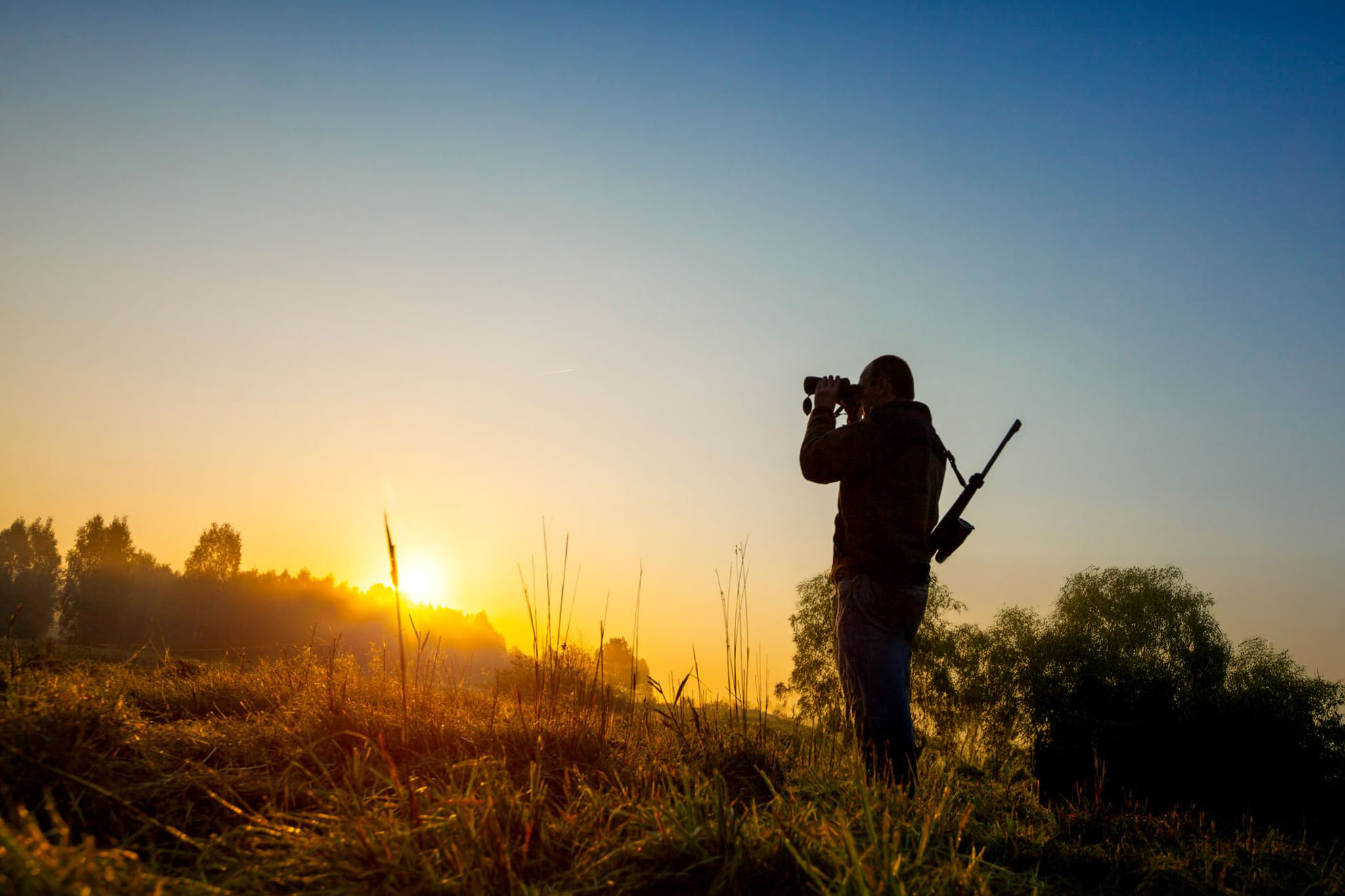
As summer fades and the first cool evenings of September roll in, whitetail deer shift their behavior in subtle but important ways. For hunters preparing for early-season sits, understanding where deer move is just as important as knowing when they move. One of the most productive areas to target this time of year is edge habitat—the transitional zones where different types of cover or food sources meet.
If you’ve ever watched deer linger along the border of a crop field and a tree line, or slip through a brushy fencerow that connects two woods, you’ve seen edge habitat in action. In September, these areas become hotspots for feeding, travel, and security. Here’s why deer love them—and how you can take advantage as a hunter.
🌱 What Is Edge Habitat?
Edge habitat refers to the transition zone between two ecosystems. It might be:
- The line where a soybean field meets a stand of oaks.
- A brushy creek corridor cutting between open pasture and timber.
- A logging road overgrown with young saplings.
These areas combine the best of both worlds: food and cover. For deer, edges provide a buffet of forages while offering quick escape routes into thicker woods.
🦌 Why Deer Favor Edges in September
1. Food Availability Is Changing
- Agricultural fields—soybeans, alfalfa, and corn—are still attractive, but deer also start keying in on natural forages like clover and acorns dropping early from oak trees.
- Edges offer multiple food options within a short distance, letting deer feed while staying close to cover.
2. Security and Comfort
- September temperatures can swing from hot afternoons to cool mornings.
- Brushy edges and fencerows offer bedding areas with shade, airflow, and concealment.
- Deer can move from feeding to bedding zones with minimal exposure.
3. Travel Corridors
- Bucks in bachelor groups often use edges as travel routes between feeding areas and staging zones.
- Edges are also where deer naturally transition at dawn and dusk, making them prime stand locations for early-season hunts.
🎯 Hunting Strategies for Edge Habitat
1. Scout Smart
- Use trail cameras along fencerows, creek crossings, and field edges.
- Look for fresh rubs or tracks along the border of crops and timber.
2. Set Up Downwind
- Deer often walk just inside the timber line, using cover while keeping an eye on open fields.
- Place stands or blinds 20–30 yards inside the woods rather than right on the field edge.
3. Hunt Natural Funnels
- Edges often narrow at creek crossings, ditches, or hedgerows—these act like funnels that concentrate deer movement.
- Setting up in these pinch points increases your chances of intercepting deer.
4. Evening Hunts Shine
- September deer tend to bed early in the day and step into edges at dusk to feed.
- Focus on evening sits near food sources connected by edge cover.
🪓 Improving Edge Habitat on Your Property
For landowners and managers, creating and maintaining edge habitat can boost both hunting success and herd health:
- Hinge-cut trees along field edges to provide browse and cover.
- Plant edge-friendly food plots (clover, brassicas, cereal rye) that transition smoothly into natural cover.
- Leave brushy strips or fencerows intact rather than clearing them—these are natural highways for deer.
✅ Final Thoughts
September is a month of transition for whitetails, and nowhere is that more obvious than along edge habitat. Deer use borders for feeding, bedding, and travel, making them some of the most reliable hunting spots for early-season success.
By scouting edges carefully, setting up with the wind in your favor, and focusing on natural travel corridors, you can put yourself in prime position to tag a deer before the rut even begins.
The edges aren’t just where habitats meet—they’re where opportunity waits for the hunter who knows how to read them.
