
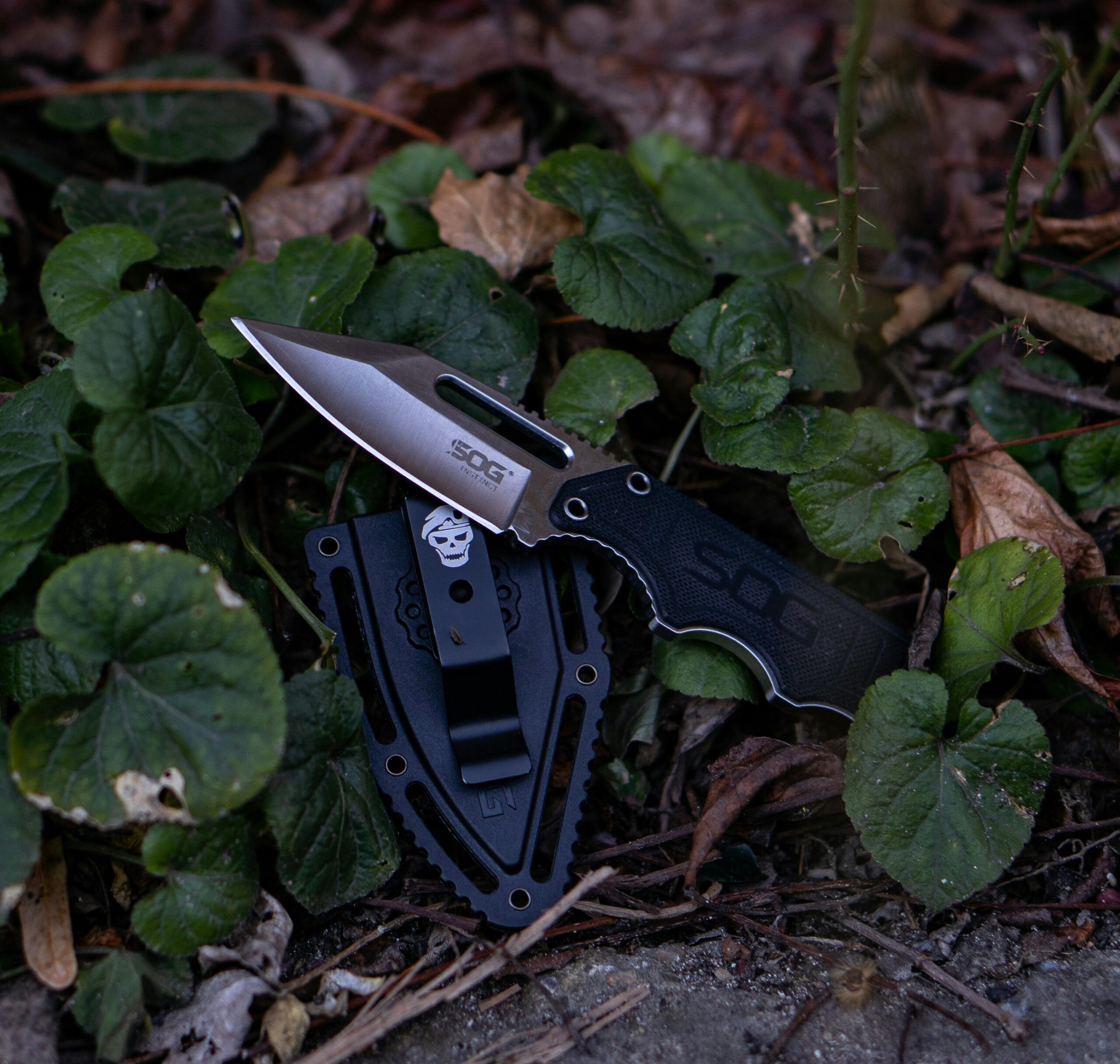
very hunter knows that a good knife isn’t just a tool—it’s a lifeline in the field. Whether you’re skinning a deer, breasting a duck, or preparing camp meals, your knife’s performance can make the difference between efficiency and frustration. As fall hunting season approaches, now is the time to ensure your blades are sharp, clean, and ready for action. Neglecting knife care doesn’t just slow you down; it can damage meat, pose safety risks, and shorten the life of your gear.
Here’s a complete guide to essential knife care before heading out on your fall hunts.
Why Knife Care Matters for Hunters
- Precision cuts: A sharp blade minimizes waste and helps preserve the quality of meat and hide.
- Safety: Contrary to popular belief, dull knives are more dangerous than sharp ones—they require extra force and slip more easily.
- Durability: Regular maintenance extends the life of both blade and handle.
- Reliability: A knife that fails in the field is more than inconvenient—it can compromise your entire hunt.
Step 1: Assess the Condition of Your Knife
Before sharpening, inspect your hunting knife for:
- Edge wear: Look for nicks, flat spots, or rolled edges.
- Rust or discoloration: Surface stains can usually be cleaned, but deeper rust pits may weaken steel.
- Loose handles or guards: These can cause dangerous slips during field dressing.
- Sheath condition: A cracked or damp sheath can dull a blade or trap moisture.
Step 2: Sharpening Techniques That Work
There’s more than one way to sharpen a knife, and the right method depends on your tools and skill level.
Whetstones (Sharpening Stones)
- Best for: Precision edge maintenance.
- How to: Start with a coarse grit (around 400) to remove damage, then progress to finer stones (1000–3000 grit) for a razor finish. Maintain a steady 20° angle for hunting knives.
Pull-Through Sharpeners
- Best for: Quick field sharpening.
- How to: Draw the blade smoothly through the slots. These are handy but remove more metal, so don’t overuse them.
Guided Systems
- Best for: Hunters new to sharpening.
- How to: These devices hold the blade at the correct angle, making it easier to achieve consistent results.
Honing Rods
- Best for: Daily touch-ups.
- How to: Run the blade lightly along the rod at a consistent angle to realign the edge between full sharpenings.
Step 3: Cleaning and Protecting the Blade
After sharpening, cleaning is just as important:
- Wash with mild soap and warm water (never soak carbon steel knives).
- Dry immediately to prevent rust.
- Apply a light coat of food-safe oil (like mineral oil or specialized blade oil) to protect steel during storage.
- Avoid the dishwasher: High heat and detergent damage both blade and handle.
Step 4: Handle and Sheath Maintenance
- Wood handles: Rub in linseed oil or beeswax to prevent cracking.
- Synthetic handles: Simply clean and dry, but inspect for chips or loose rivets.
- Leather sheaths: Condition with leather oil to prevent drying out, but never store a knife long-term in leather—it traps moisture.
- Kydex or nylon sheaths: Rinse dirt and grit that could scratch the blade.
Step 5: Field Care During the Hunt
Even with preseason prep, knives take a beating in the field. Keep them sharp and safe with these habits:
- Carry a pocket sharpener for touch-ups after processing game.
- Wipe the blade often when field dressing to avoid buildup of fat or hair.
- Dry thoroughly before sheathing—especially in wet, cold conditions.
- Have a backup blade: Carrying a secondary knife or replaceable-blade system ensures you’re never left stranded.
Common Knife Care Mistakes to Avoid
- Using the wrong angle: Too steep or too shallow ruins the edge quickly.
- Neglecting rust prevention: Even stainless steel can corrode without oiling.
- Improper storage: Tossing knives in packs without sheaths dulls edges fast.
- Over-sharpening: Removing too much steel shortens the life of the blade.
