
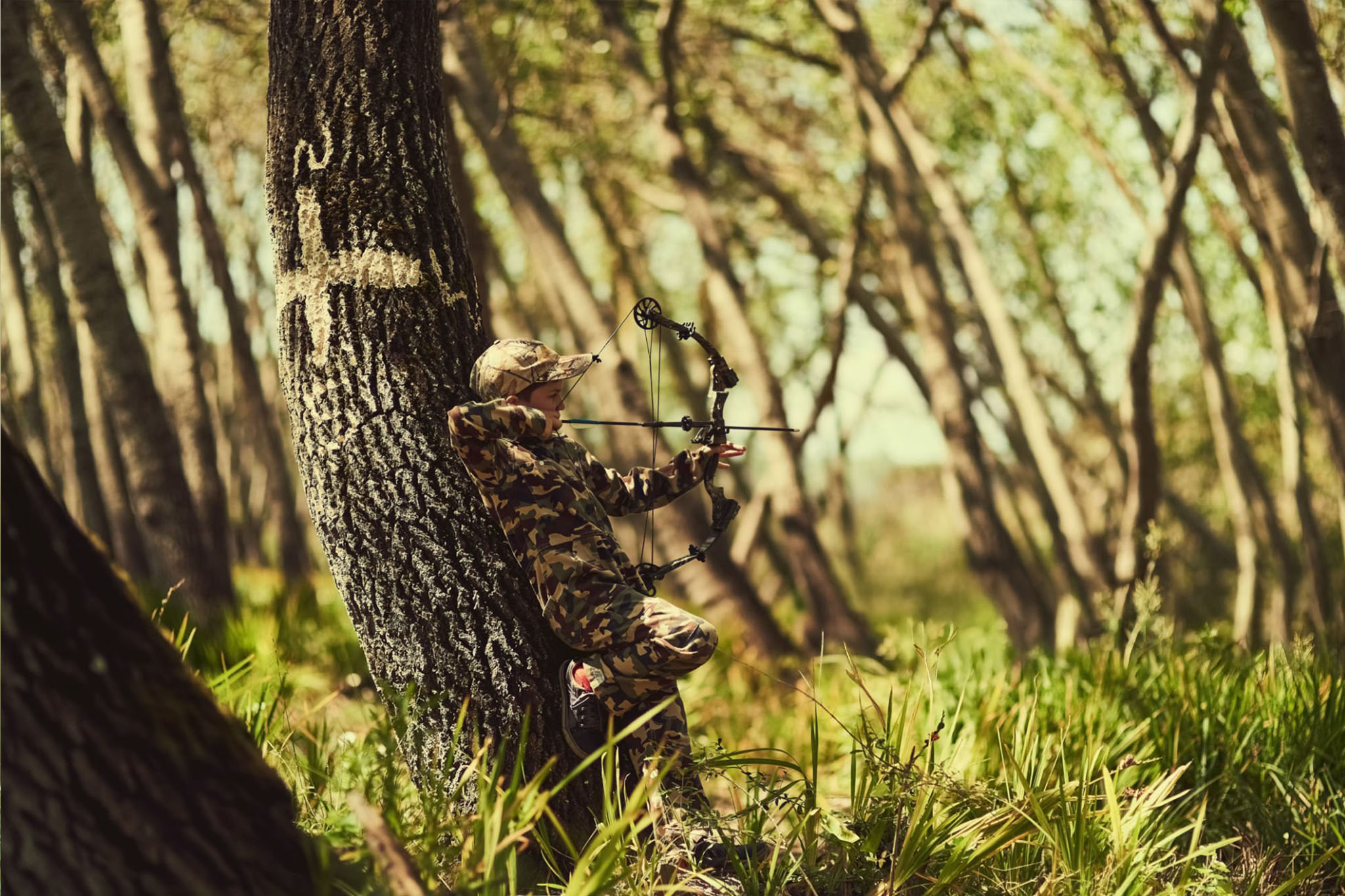
For many hunters, the first opportunities of the season come in late summer. Dove fields, early teal, small game, and even the opening days of archery season can fall when temperatures are still high. While it’s tempting to push through the heat for a chance at fresh game, hunting in hot conditions carries real challenges—from heat exhaustion to meat spoilage.
Late-summer hunts demand a unique approach. Success isn’t just about knowing where the animals are; it’s about staying cool, safe, and prepared when the thermometer is pushing the limits. Here’s how to handle the heat and keep your hunts both productive and enjoyable.
The Risks of Hunting in Hot Weather
Before diving into strategies, it’s important to recognize the dangers of late-summer hunts:
- Heat exhaustion and heatstroke: Long hikes in heavy gear can dehydrate and overheat you quickly.
- Dehydration: Even mild water loss impacts focus, reaction time, and physical performance.
- Meat spoilage: Harvested game can spoil fast in warm weather if not cooled promptly.
- Bugs and ticks: Heat brings an uptick in mosquitoes, biting flies, and disease-carrying ticks.
Understanding these risks helps you plan a hunt that’s not only successful but safe.
Gear and Clothing: Dress for the Heat
Late-summer hunting is all about staying cool without sacrificing concealment.
- Choose lightweight, moisture-wicking fabrics: Avoid cotton; instead, go for synthetic or merino blends that pull sweat away from your skin.
- Light colors when possible: While camouflage is essential, lighter camo patterns (early-season or open-terrain camo) absorb less heat than darker options.
- Breathable boots: Opt for uninsulated, lightweight boots that keep your feet cool while providing ankle support.
- Ventilated hats and buffs: Protect your head and neck from sun exposure while allowing airflow.
Pro tip: Pack an extra shirt or base layer. Swapping out a sweat-soaked layer halfway through a hunt can keep you cooler and more comfortable.
Hydration and Nutrition Strategies
Water management is the foundation of hot-weather hunting.
- Drink consistently: Don’t wait until you’re thirsty. Sip water every 20–30 minutes.
- Carry electrolyte replacements: Sports drinks or electrolyte powders prevent dangerous sodium loss during long hunts.
- Avoid excess caffeine and alcohol: Both dehydrate the body and reduce performance.
- Pack high-energy snacks: Nuts, jerky, and fruit help maintain steady energy without weighing you down.
Hydration bladders or lightweight water bottles should always be within easy reach.
Timing Your Hunt
The animals you pursue are also adjusting to the heat, so hunt smarter, not harder.
- Focus on dawn and dusk: Deer, doves, and waterfowl are most active during cooler hours.
- Midday scouting: Use hot hours for glassing fields, checking waterholes, or scouting from shade instead of active hunting.
- Night-before prep: Pack and stage gear in advance so you’re ready to move at first light.
By mirroring the animals’ natural patterns, you save energy and increase your odds of success.
Field Dressing and Meat Care in Hot Weather
Bringing down game in hot conditions requires immediate attention.
- Field dress quickly: Remove entrails immediately to release body heat.
- Skin promptly if possible: The hide traps heat and accelerates spoilage.
- Cool the carcass fast: Hang in shade, place in breathable game bags, or quarter and store in coolers.
- Ice management: Carry frozen water jugs in your cooler—they last longer than bagged ice and reduce mess.
Hunters who prepare for meat care before leaving the house avoid heartbreaking waste after the shot.
Staying Safe in the Field
- Scout shaded routes: Whenever possible, use tree lines or ridges for cover from direct sun.
- Pace yourself: Take breaks often, especially when hauling stands, blinds, or harvested game.
- Recognize heat illness signs: Headache, dizziness, rapid pulse, and confusion are red flags—stop immediately and cool down.
- Bug defense: Apply permethrin to clothing and DEET or picaridin to exposed skin to keep mosquitoes and ticks at bay.
Your safety always comes first—no trophy or limit is worth risking your health.
Final Thoughts
Late-summer hunting is a test of endurance and preparation. By dressing smart, staying hydrated, timing your hunts carefully, and taking care of game in the field, you’ll not only improve your odds of success but also protect your health.
Remember: beating the heat doesn’t mean outmuscling it—it means working with it. Stay cool, stay safe, and your early-season hunts will be both rewarding and sustainable.
