
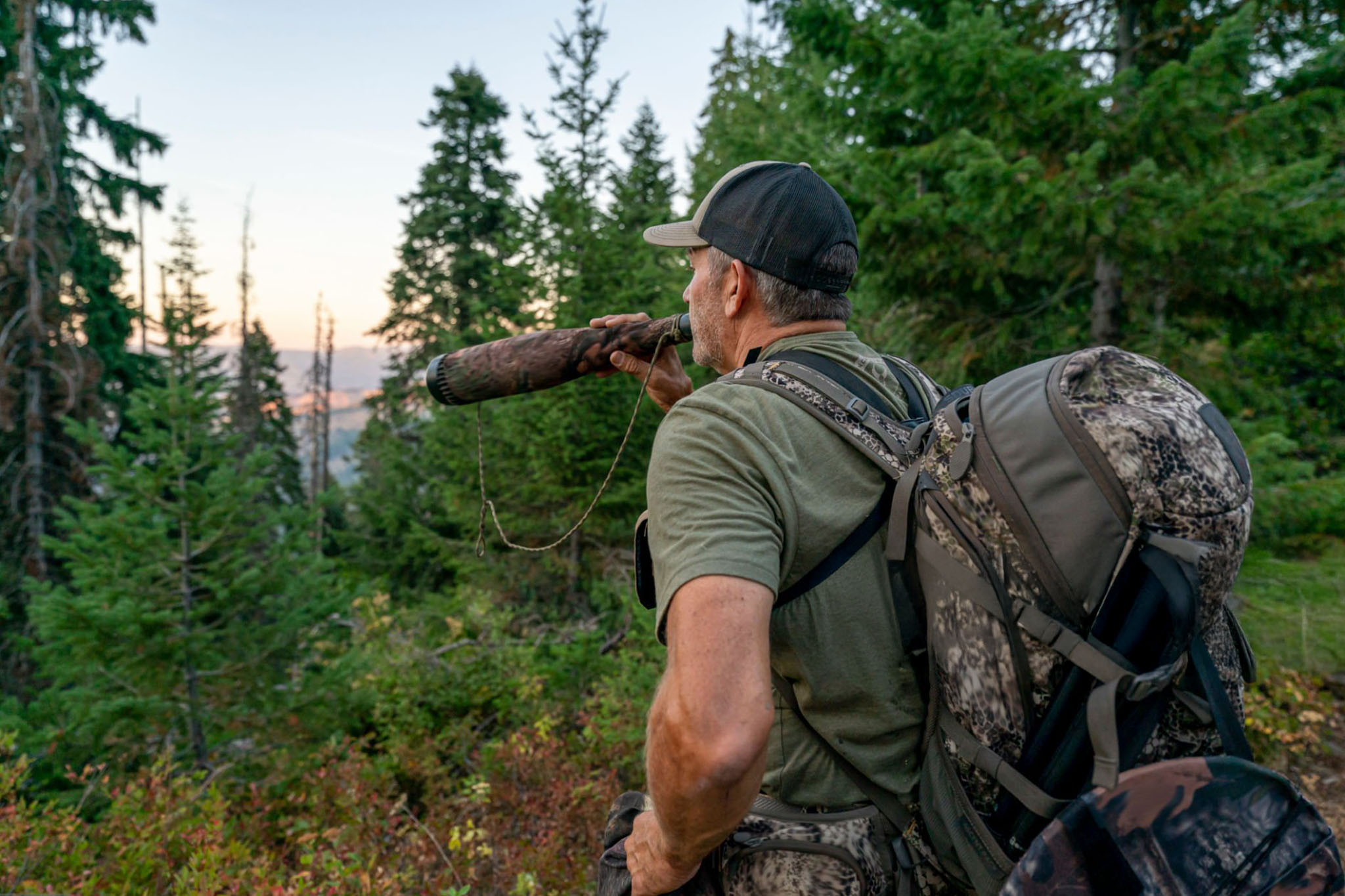
Every hunter obsesses over the wind, and for good reason: a whitetail’s nose can pick you off long before you ever see him. But veteran hunters know that a buck’s ears are often just as sharp a defense. Step on a brittle oak leaf, crack a stick, or clang a metal buckle, and you’ve ended your hunt before it even started. Silent access routes are the unsung foundation of consistent success in October and beyond. If you can beat a buck’s ears before his nose, you’ve won half the battle before climbing into your stand.
Why Sound Matters as Much as Scent
Mature whitetails don’t survive by ignoring what they hear. In pressured states especially, deer associate unnatural noises—like snapping twigs or heavy footfalls—with danger. Unlike scent, which lingers in a deer’s world, sound is instant. If a buck hears something he doesn’t like during daylight, he may hold tight in his bed until dark, effectively shutting down your hunt.
This is why your entry route is just as critical as wind direction. You may have the perfect stand location and favorable thermals, but if you can’t get there quietly, your odds plummet.
Choosing the Right Route
A good access route is less about speed and more about stealth. Here’s what to prioritize:
- Ground Cover Matters
Grassy paths, damp soil, or mossy stretches provide natural soundproofing. Avoid crunchy leaves, rocky ridges, or gravel. Some hunters even rake a path to their stand weeks in advance, creating a quiet corridor. - Water Access
If terrain allows, creeks and ditches can be perfect approaches. Wading quietly through shallow water masks sound and scent alike, helping you slip past bedding areas undetected. - Use the Terrain
Hills, ridges, and cuts can muffle noise. Approaching from the backside of a rise, where sound and sight are blocked, gives you more forgiveness if a stick cracks underfoot. - Seasonal Adjustments
In early fall, dew-damp grass is a gift for silent entry. Later in the season, frozen leaves can betray you. Consider shifting to creek-bottom access when frost sets in.
Gear and Tactics for Silent Movement
Silence isn’t just about where you walk—it’s about how you prepare.
- Footwear Choices
Soft-soled boots or even rubber-bottomed boots absorb impact better than stiff soles. Some hunters switch to stalking moccasins or wool socks for the last hundred yards. - Stripped-Down Loads
A clanging release, rattling arrows, or squeaky backpack straps can be as bad as a snapped twig. Tape over metal buckles, secure loose gear, and pack only essentials. - Timing the Approach
Move with purpose, but don’t rush. Pausing occasionally mimics natural woodland sounds, like a squirrel scurrying. Approaching during light wind or drizzle also helps cover noise.
Beating a Buck’s Ears and Nose
Of course, quiet access doesn’t mean ignoring scent. The best hunters combine both factors. Choose a route where the wind carries scent away from bedding areas while terrain and ground cover keep your steps silent. In many cases, it’s better to take the longer, quieter, and downwind path than the straight shot that risks spooking deer.
Final Thought
The hunt doesn’t start when you climb into your stand—it starts the moment you open the truck door. Mature bucks survive because they react to the smallest clue, whether it’s a whiff of danger or the snap of a twig. By planning and maintaining silent access routes, you’ll beat a buck’s ears before his nose ever has a chance to betray you.
When you finally watch him step into bow range, completely unaware, you’ll know the real work was done long before the arrow ever left the string.
