
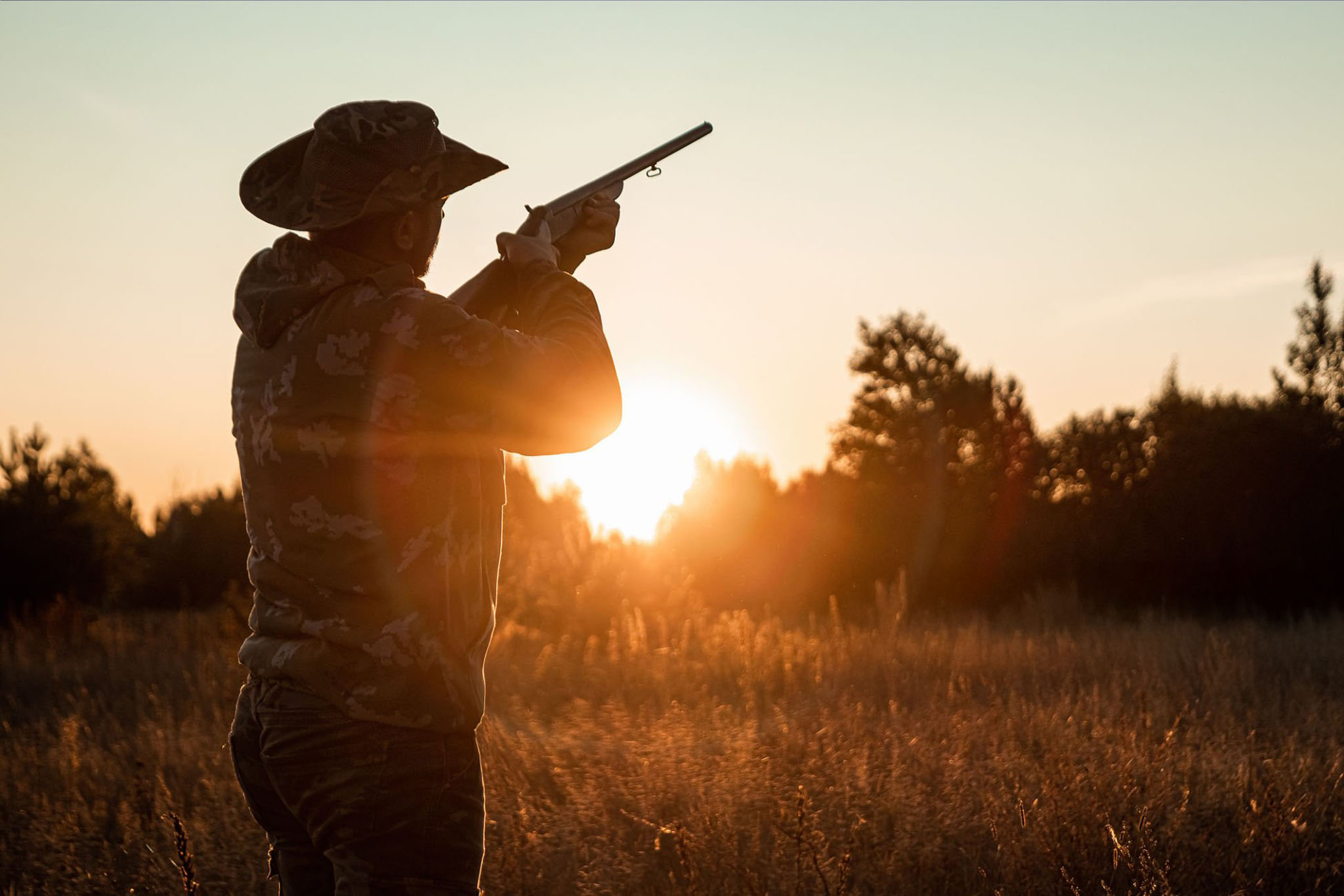
Every seasoned deer hunter knows that wind direction is king when it comes to stand placement. But there’s a more subtle factor that can make or break your hunt, especially in October as the woods shift toward pre-rut activity: thermals. Understanding how morning thermals rise and evening winds settle can mean the difference between a close encounter with a mature buck and an empty sit. Let’s break down the science and the strategy so you can make smarter decisions about when—and where—to climb into your stand.
The Science Behind Thermals
Thermals are essentially small, temperature-driven air currents. In the morning, as the sun warms the ground, air begins to rise, carrying scent upward. In the evening, as temperatures drop, air cools and sinks, dragging scent down into valleys, creek beds, and low ground.
Unlike prevailing winds, which can be checked with a weather app or wind checker, thermals are hyper-local. They often shift subtly throughout the morning and evening hours, depending on terrain, vegetation, and even cloud cover. That’s why a stand that feels bulletproof at daylight may betray you by mid-morning—or why an evening sit on the wrong ridge can funnel your scent straight to a buck’s bedroom.
Morning Hunts: Riding the Rising Air
In the early hours, when the ground is still cool and the sun begins to warm the landscape, thermals pull air—and your scent—uphill. This is why many hunters favor higher ground sets in the morning.
- Ideal Stand Locations:
• Ridge tops above known bedding areas.
• Saddles where deer cross between drainages.
• High-ground transition lines where deer stage before heading to feed. - The Strategy:
Get into position well before first light. Let your rising scent carry over deer trails below you as the thermals climb. Bucks returning from feeding often use lower elevation travel corridors, giving you a chance to catch them slipping back at daybreak. - Caution:
Thermals don’t rise forever. By late morning, prevailing winds often overpower them, and your scent may start blowing unpredictably. Plan your exit before that shift exposes you.
Evening Hunts: Settling with the Cool
As the sun dips and shadows stretch, thermals reverse, pulling scent downhill. This creates a prime window to hunt low-ground setups where deer move from bedding to feeding areas.
- Ideal Stand Locations:
• Creek crossings near food sources.
• Bottomland trails leading out of cover.
• Edges of crop fields that deer approach from ridges. - The Strategy:
Position yourself so your scent drifts into terrain where deer aren’t likely to travel—like a steep drop-off or waterway. Bucks often stage higher up before dropping into fields, so consider ambushing them just off the food source, where thermals sink into a safe zone. - Caution:
Evening winds can be swirly. If the temperature drop is sharp or the valley is narrow, scent may pool in ways that spook deer before they step into range. Test the air regularly with milkweed or powder.
Choosing the Right Sit
So how do you decide? It comes down to a combination of deer movement, terrain, and conditions.
- Mornings favor elevated sits if you know deer are traveling lower, returning to bedding.
- Evenings reward low-ground ambushes where deer filter into feeding areas.
- Cold fronts and high-pressure systems can enhance thermal pull, making stand choice even more critical.
- Cloudy days or strong prevailing winds can mute thermals, meaning you should trust the wind more than the rise or fall of air.
Final Thought
The best hunters aren’t just students of deer—they’re students of the air. Thermals and winds may be invisible, but they dictate every movement in the whitetail woods. If you learn to predict how scent will travel in your specific terrain, you can plan sits that put you in position before a buck even knows you’re there.
In October, when hunting pressure builds and deer become wary, understanding thermals isn’t optional—it’s essential. Morning or evening, ridge or bottom, your success may come down to picking the right sit at the right time, guided by the rise and fall of the air itself.
