
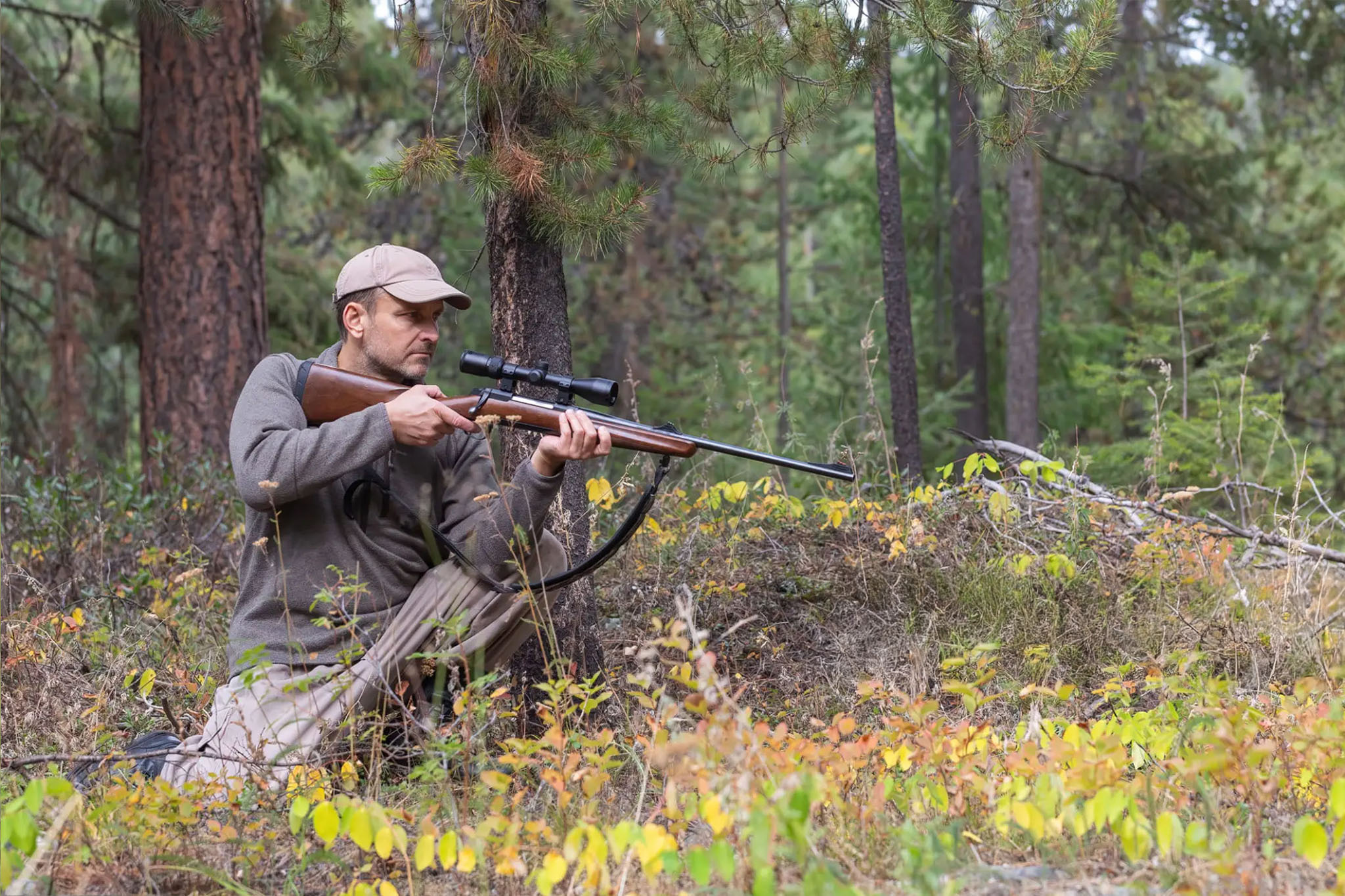
Every hunter knows that deer don’t just live in the woods—they own them. With senses tuned far beyond our own, pressured bucks in particular will bust sloppy approaches long before you ever nock an arrow. You can hang the perfect stand in the right spot, but if your entry is noisy, careless, or wind-busted, you might as well be waving a white flag. October, when hunting pressure ramps up and bucks are already wary, is when perfecting your entry becomes the difference between a close encounter and watching a tail disappear.
Why Entry Matters More Than You Think
Mature bucks don’t get old by being reckless. They survive by patterning hunters just as much as hunters try to pattern them. If your approach tips them off—even a subtle crunch of leaves or a faint whiff of human scent—they’ll shift bedding areas or alter travel routes. Once they peg your entry, that stand might go cold for weeks. The goal is to get in and set up without them ever knowing you were there.
Planning the Route Before the Hunt
The best entry routes aren’t figured out on opening morning. They’re mapped well in advance, ideally through preseason scouting or digital tools like satellite imagery. But the key is thinking like a deer, not just like a hunter.
Factors to weigh when planning:
- Wind & Thermals: Always chart a path that keeps your scent from drifting into bedding or food areas. Morning thermals drop, while evening thermals rise—plan accordingly.
- Cover vs. Exposure: A longer path through thicker cover is almost always better than a short, exposed route across open ground.
- Noise Potential: Dry leaves, crunchy ice, or brush tangles can betray you. Look for creek beds, grassy ditches, or bare dirt paths as natural silencers.
Entry Gear That Makes a Difference
A well-prepared hunter carries tools that make the approach smoother and quieter.
- Rubber Boots: Reduce scent trails and soften footfalls.
- Pruners or a Folding Saw: Cut shooting-lane branches before the season to avoid noisy encounters in the dark.
- Headlamp Discipline: Use a dim red or green light pointed at the ground, and switch it off early when possible.
Timing the Entry
When you walk in matters almost as much as how.
- Morning Hunts: Enter early enough to be settled well before first light. The last 20 minutes before dawn are when deer are most active near bedding—don’t bump them by running late.
- Evening Hunts: Wait for thermals to shift upward if hunting ridges or slopes. Entering too early risks letting your scent roll into staging areas.
- Midday Setups: For all-day hunts or midday sits, slip in during low-activity windows. Deer are more likely bedded tight, giving you a better chance to move undetected.
Quiet Movement in Practice
Silent entry isn’t just about the route—it’s about how you walk it.
- Slow and Deliberate: Step lightly, placing each foot carefully.
- Use Natural Noise: Wind gusts, passing cars, or even distant farm machinery can mask your steps—move when ambient noise is high.
- Avoid Shortcuts: Don’t push through thickets that force you to snap branches. That one mistake can undo an hour of careful sneaking.
The Exit Strategy Matters Too
Many hunters forget that how you leave a stand can ruin tomorrow’s hunt. Always back out with the same stealth you used going in. If deer are still feeding in a field at last light, consider waiting them out, circling wide, or having a buddy drive in to bump them gently—anything to avoid spooking them directly from your setup.
Final Thoughts
Perfecting tree stand entry is an art that separates seasoned hunters from casual ones. Bucks in pressured areas don’t forgive mistakes. By mapping thoughtful routes, managing wind and thermals, moving like a predator instead of a hiker, and treating exits as seriously as entries, you stack the odds in your favor. A silent approach may not feel as exciting as calling or rattling, but it often sets the stage for those heart-stopping moments when a cautious buck finally steps into bow range—without ever knowing you were there.
