
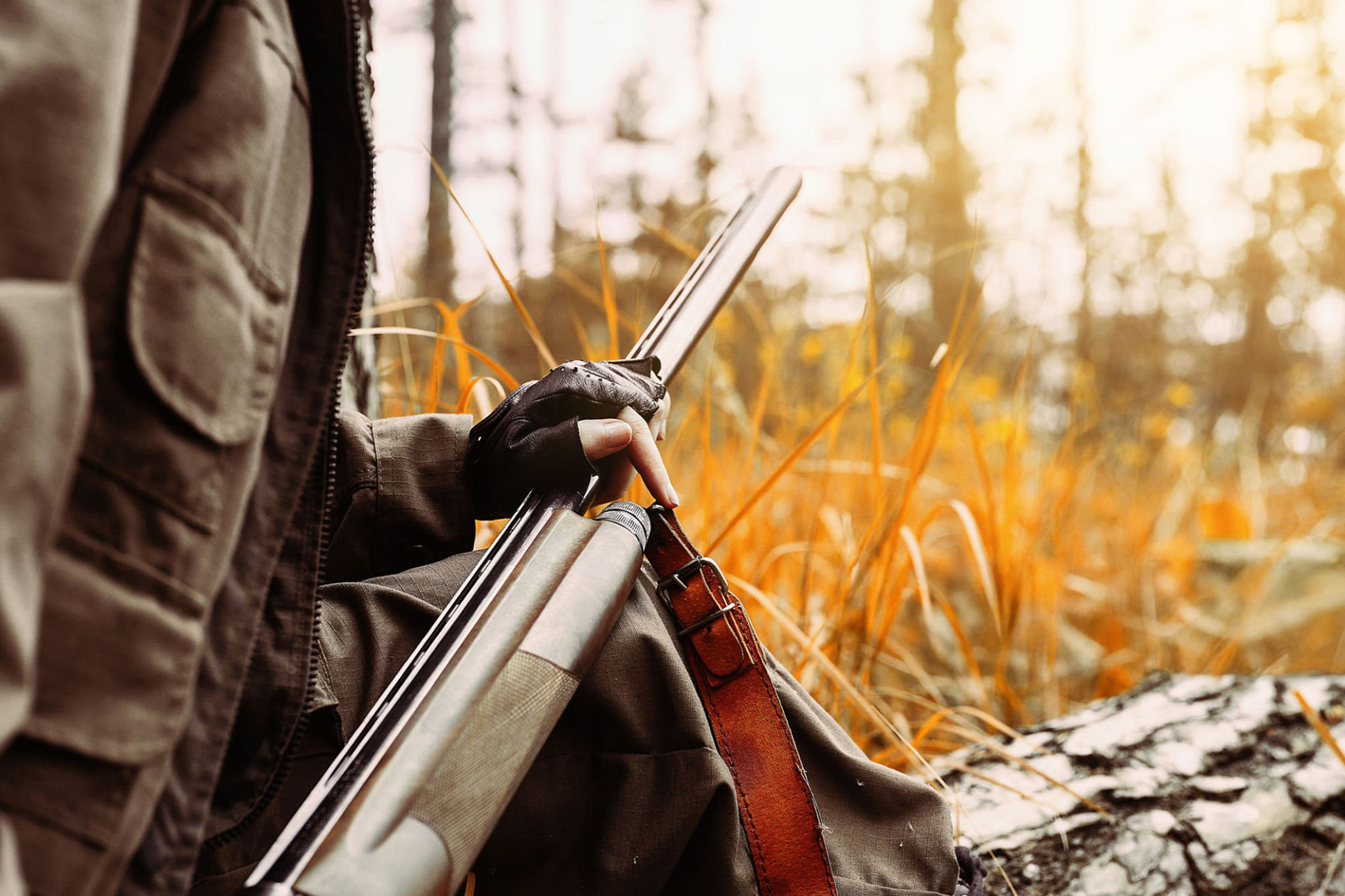
October is a month that keeps hunters guessing. The pre-rut is simmering, food sources are shifting, and hunting pressure is steadily rising. For bowhunters especially, the debate between morning sits and midday hunts becomes more than just a matter of preference—it’s about understanding how deer respond to seasonal changes and adjusting your tactics to match.
The Morning Advantage: Capitalizing on Return-to-Bed Patterns
For many hunters, mornings are synonymous with prime opportunity, and in October that still holds true. Bucks often leave feeding fields under cover of darkness, making their way back toward bedding areas as shooting light approaches. If you’ve done your homework—whether by trail cameras, glassing, or scouting fresh sign—setting up along these transition routes can be deadly.
Key considerations for morning hunts in October:
- Stealthy Access Is Everything: Deer are often already on the move before dawn. Entering quietly and avoiding bumping deer in fields is critical. Use creeks, fencerows, or timber edges as natural cover for entry.
- Edge Ambushes Work: Set up between destination food sources and bedding cover. Oaks dropping acorns, CRP fields, or thickets can be productive travel corridors.
- Cooler Temperatures Help: Morning hunts often benefit from lower temperatures, which tend to get deer on their feet earlier.
However, October mornings can also be tricky. Deer aren’t as predictable as they are during the rut, and pushing too close to bedding can blow a spot for weeks.
Midday Hunts: The Overlooked Window
Many hunters hang up their bows after a slow morning sit, but October midday hunts are often underappreciated. As bucks begin shifting into pre-rut mode, they become less nocturnal and more willing to check scrapes or cruise staging areas during the late morning and early afternoon hours.
Why midday sits can be productive in October:
- Scrape Activity Spikes: Bucks frequently freshen scrapes during the middle of the day, especially in lightly pressured areas. Hanging a stand near a primary scrape line can pay off.
- Low Hunting Pressure: While most hunters are grabbing lunch or heading home, you’ll have the woods to yourself. Fewer disturbances mean more relaxed deer movement.
- Transitional Weather Patterns: Overcast days, light rain, or cold fronts can push bucks into moving later in the morning or earlier in the afternoon.
Midday hunts work best when paired with patience. They aren’t about fast action but about being in the right spot when a mature buck finally breaks cover.
Choosing the Right Window: Factors to Weigh
Instead of asking morning or midday, hunters should consider the conditions that dictate deer behavior:
- Moon Phase & Feeding Times: Certain moon positions may delay feeding activity, shifting movement later into the morning.
- Hunting Pressure: On heavily hunted land, deer often adapt by moving during less obvious hours—sometimes right in the middle of the day.
- Weather Fronts: Sharp temperature drops or barometric pressure changes can trigger deer to move outside their “normal” patterns.
Blending Both Approaches
The most effective October hunters often mix strategies. Start the day on travel routes close to bedding, then reposition to scrapes or staging areas for a midday sit. While it requires endurance and planning, committing to an all-day hunt during October’s transitional weeks can pay dividends, especially before the rut fully kicks in.
Final Thoughts
Morning hunts in October still hold the edge for intercepting bucks on their way back to bed, but midday sits are far from wasted hours. In fact, they can be the secret weapon that tips the odds in your favor while other hunters head for the truck. By understanding shifting deer behavior, playing the conditions, and balancing patience with precision, hunters can unlock opportunities during both windows—and be in the woods when the October magic happens.
