
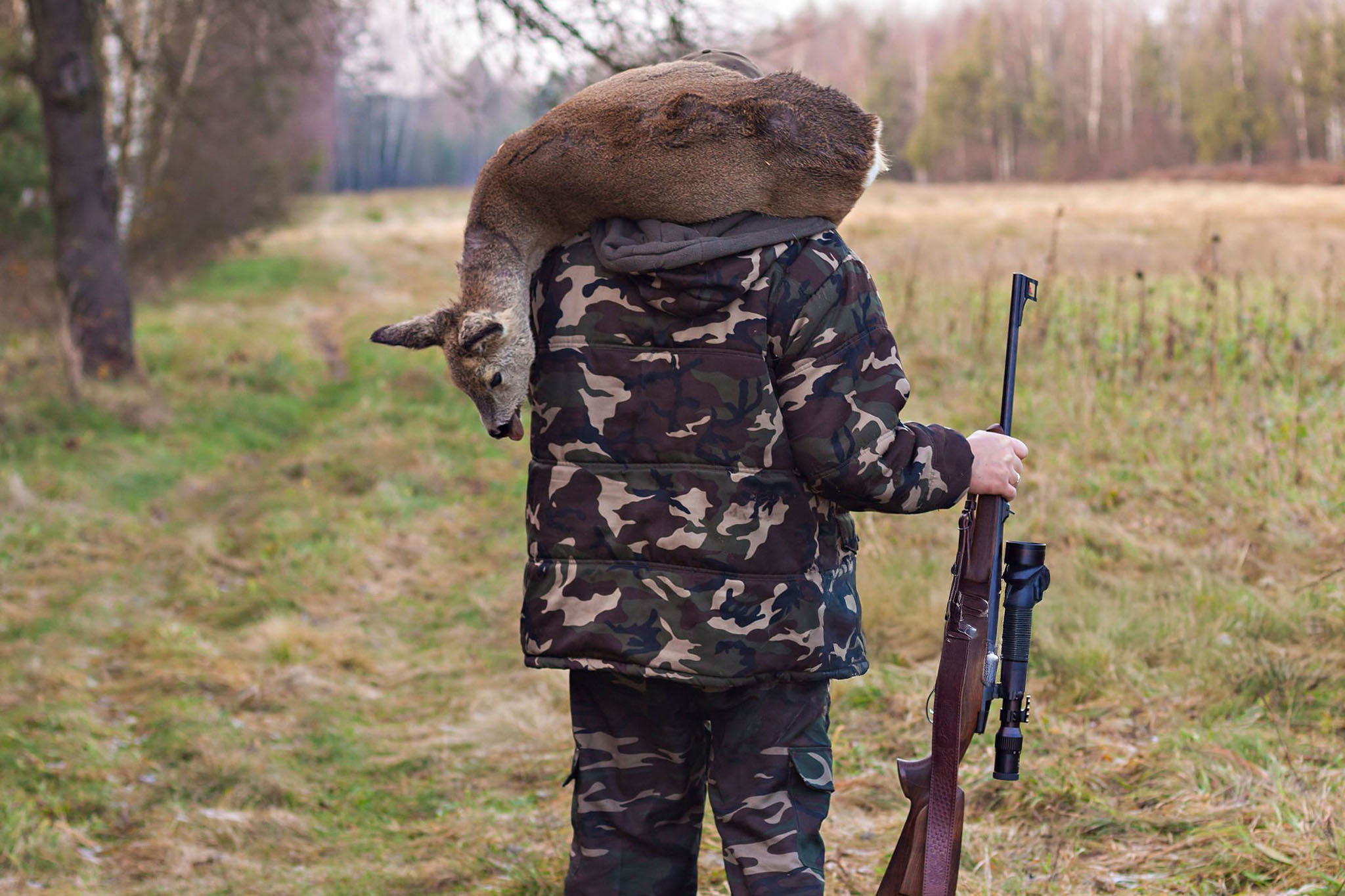
Public land hunting in the U.S. offers incredible opportunities, but it also comes with one undeniable challenge—pressure. When opening weeks or October weekends roll around, parking lots fill, trails show boot tracks, and deer quickly adjust their behavior to the increase in human presence. The difference between going home empty-handed and tagging a buck often comes down to how well you handle that pressure. Hunting smarter—not harder—means learning to anticipate how deer react to crowds and positioning yourself accordingly.
Understanding How Pressure Affects Deer
Deer are survivors, and even in heavily hunted areas they rarely vanish—they adapt. Pressure changes their patterns in predictable ways:
- Daylight Shrinkage – Deer move less during shooting light and hold tighter to cover once hunters start tromping around.
- Travel Rerouting – Bucks abandon obvious trails that cut through open woods or fields and instead slip through overlooked side routes.
- Noisy Neighbors Work in Your Favor – Other hunters bump deer without realizing it. If you position yourself near escape cover, you can capitalize on these movements.
Once you understand how deer respond, you can flip pressure into an advantage.
Smart Entry and Exit Strategies
The first step in beating pressure is simply avoiding being the source of it yourself.
- Ditch the Main Trails: If 90% of hunters are walking the obvious access roads, your odds plummet by following the herd. Instead, use maps to find alternate approaches—creek beds, ridgelines, or even chest waders to cross small rivers.
- Silent Approach: Crunching leaves or clanging gear can blow your hunt before it begins. Go slow, pick your steps, and enter with the wind in your favor.
- Exit Matters Just as Much: Bumping deer on your way out educates them. Plan exits that avoid bedding areas and minimize scent trails.
Find the Overlooked Spots
Most hunters choose convenience, setting up within a half-mile of parking lots or along obvious fields. Mature bucks quickly learn to avoid those places. Look for areas that require extra effort:
- Thick Cover: Nasty briar patches, young pine stands, or overgrown creek bottoms that most hunters won’t bother with often hold pressured deer.
- Topography Breaks: Small saddles, hidden benches, or isolated points can funnel deer away from the crowds.
- Midday Bedding Pockets: Don’t overlook the 10 a.m.–2 p.m. window. Bucks pressured at dawn often circle back to hidden bedding pockets and can be vulnerable to a well-timed sit.
Adjust Your Timing
Sometimes, beating pressure is about hunting when others won’t.
- Midweek Advantage: Weekends get slammed, but weekday hunts often offer quieter conditions. Even Tuesday evenings can feel like a different property.
- Late Arrivals: While most hunters pile in before daylight, slipping into a secondary spot mid-morning can catch deer moving after being bumped.
- Stay Late: Don’t leave just because the morning action died down. Pressured deer often move during the “quiet hours” once human activity settles.
Rethink Your Setup
Treestands and blinds are common on public land, which can make deer wary of obvious setups. Instead:
- Go Mobile: Lightweight hang-on stands or saddles let you adapt daily, avoiding burned-out locations.
- Hunt Low or Natural: Sometimes a ground setup in thick cover beats being sky-lined in a tree.
- Blend with Pressure: If hunters are sitting fields, set up 100 yards back in the woods on the downwind side of staging areas. Bucks often circle behind does that feed in the open.
Let the Pressure Work for You
One of the best public-land tactics is letting other hunters do the work. If you know deer will be bumped from a parking lot or a trail, position yourself near thick escape cover or travel corridors. Bucks often swing wide to avoid humans, creating opportunities for the hunter who thought ahead.
Final Thoughts
Public land hunting doesn’t have to mean crowded, unproductive sits. The hunters who consistently fill tags aren’t necessarily luckier—they’re strategic. By studying access, embracing overlooked cover, adjusting timing, and letting pressure work in your favor, you can turn a crowded October weekend into a smart hunt.
In short, don’t fight the pressure—use it. Public-land whitetails are survivors, but they’re also predictable if you learn how to read them. The hunters who adapt are the ones who find success where others only find frustration.
