
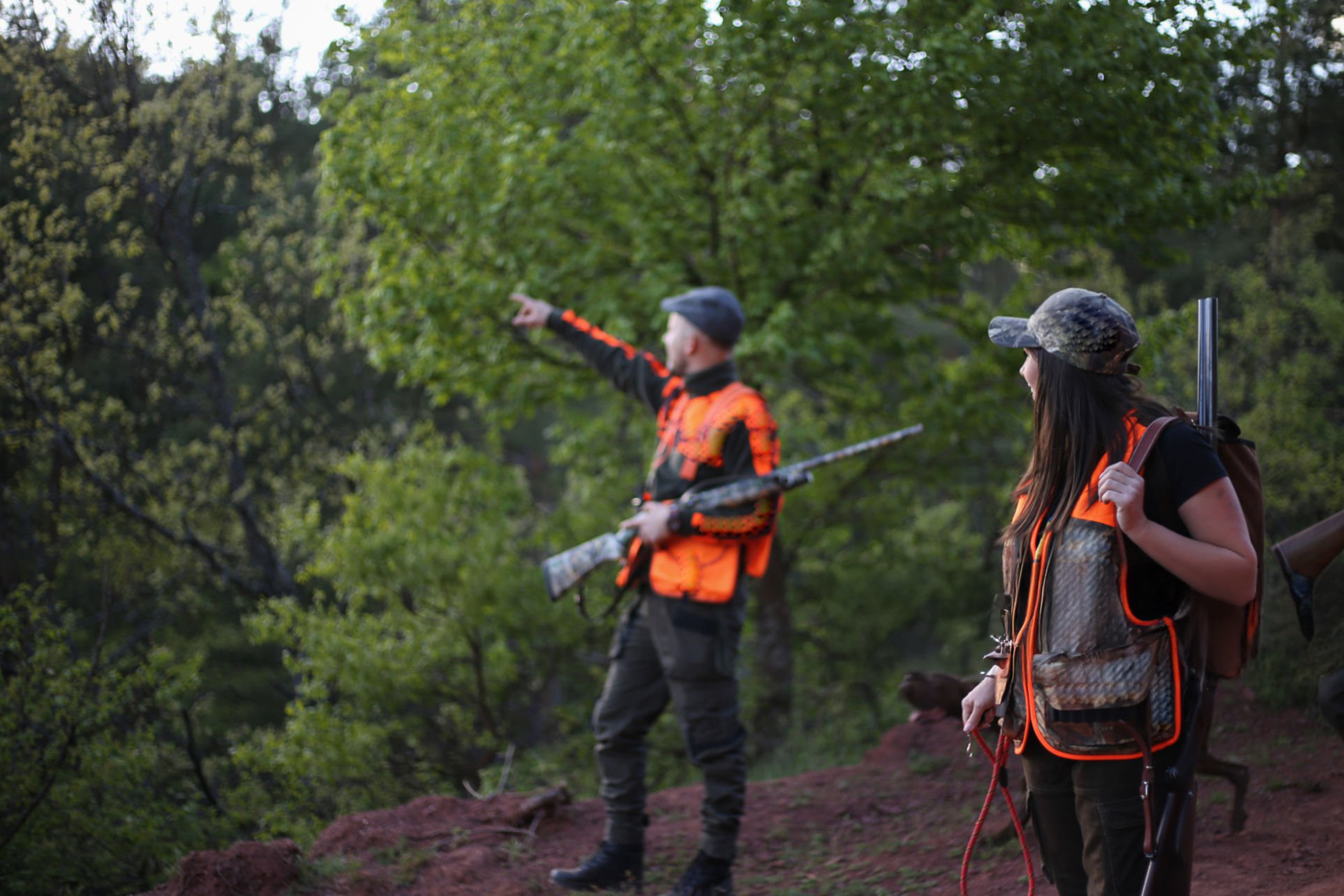
October deer hunting often leaves bowhunters scratching their heads. One day, deer move predictably at dusk. The next, they slip past in the gray of dawn. Add in shifting food sources, fluctuating weather, and pre-rut stirrings, and the “when to hunt” debate gets complicated. Should you hang stands at daybreak or double down on evenings? The answer lies in knowing how deer use the landscape differently depending on time of day—and how October’s changes influence their behavior.
Morning Hunts: Risk and Reward
Morning sits in October can be a gamble. With deer bedding closer to food sources this time of year, your entry routes risk bumping deer before you even get to your stand. That said, mornings offer unique opportunities if you adjust your approach.
Why Mornings Work
- Early Movement Back to Bedding: Bucks often filter back toward their beds during the first light. If you’re set up between a feeding field and a known bedding area, you might catch them slipping by.
- Scrape Patrols: As bucks begin laying down scrapes in mid-October, they’ll often check them just after dawn. Placing a stand along a scrape line near bedding cover can produce an encounter.
- Cooler Temps: Crisp October mornings can get deer on their feet earlier than expected, particularly after a warm stretch.
Tactics for Morning Hunts
- Get In Extra Early: Beat the deer back to bedding areas by slipping in under cover of darkness—often an hour before first light.
- Hunt Funnels and Pinch Points: Morning deer take the path of least resistance heading to cover. Saddles, creek crossings, and narrow timber strips are reliable choke points.
- Be Stealth-Obsessed: One crunch of leaves on your entry could blow the hunt. Soft-soled boots and pre-cleared paths help you slip in quietly.
Evening Hunts: Playing the Odds
If mornings are about timing, evenings are about consistency. Most October deer activity centers on feeding in the last few hours of daylight, making evening hunts the more predictable option for many bowhunters.
Why Evenings Shine
- Food Source Focus: Acorns, cut cornfields, or green food plots pull deer like magnets. Evening sits allow you to hunt these areas without the risk of spooking deer on the way in.
- Low-Risk Entry: Midday entry means deer are likely bedded, reducing the chance of bumping them on the walk in.
- More Predictable Patterns: While mornings rely on intercepting deer heading to bed, evenings let you set up where you know they’ll eventually want to be—on food.
Tactics for Evening Hunts
- Hunt the Edge, Not the Heart: Position yourself just inside the timber, where deer stage before entering fields. You’ll see more daylight activity and reduce pressure on the main feeding area.
- Capitalize on Acorn Hotspots: When oaks start dropping, deer often skip fields entirely. A ridge covered in white oaks can outproduce a crop field if you’re there at the right time.
- Mind the Wind: Evening thermals fall, pulling your scent downhill. Position yourself accordingly, or risk blowing your entire setup.
Which Is Better in October?
The choice between morning and evening hunts often comes down to your specific property and pressure.
- Mornings are best for hunters with well-scouted bedding-to-food travel routes, minimal intrusion on entry, and a desire to catch bucks in transitional cover.
- Evenings give you safer, more predictable opportunities, especially around food sources and staging areas. For many hunters, evenings consistently produce more sightings and shot opportunities.
But October is dynamic. Early in the month, evenings dominate as deer hit food predictably. By mid- to late October, morning hunts gain traction as bucks expand ranges, check scrapes, and begin laying the groundwork for the rut.
Blending the Two: Smart October Strategy
Instead of choosing strictly morning or evening, tailor your hunts to conditions:
- Early October → Focus on evenings around food and staging areas.
- Mid-October → Mix in selective morning hunts near bedding cover and scrape lines.
- Late October → Prioritize mornings in funnels and travel routes as pre-rut activity spikes, but don’t abandon productive evening food sources.
The most successful hunters use October not just to punch a tag but to gather intel. Morning and evening sits reveal different patterns, giving you insight that pays off when the rut arrives.
Final Thoughts
October hunting isn’t about declaring mornings or evenings the winner. It’s about reading the subtle shifts in deer behavior and adapting your approach. Evenings give you consistency and lower risk. Mornings can deliver high-reward hunts if executed carefully. Blend the two with an eye toward food sources, scrapes, and bedding transitions, and you’ll unlock October’s secrets—and be primed for the explosion of rut activity just around the corner.
