
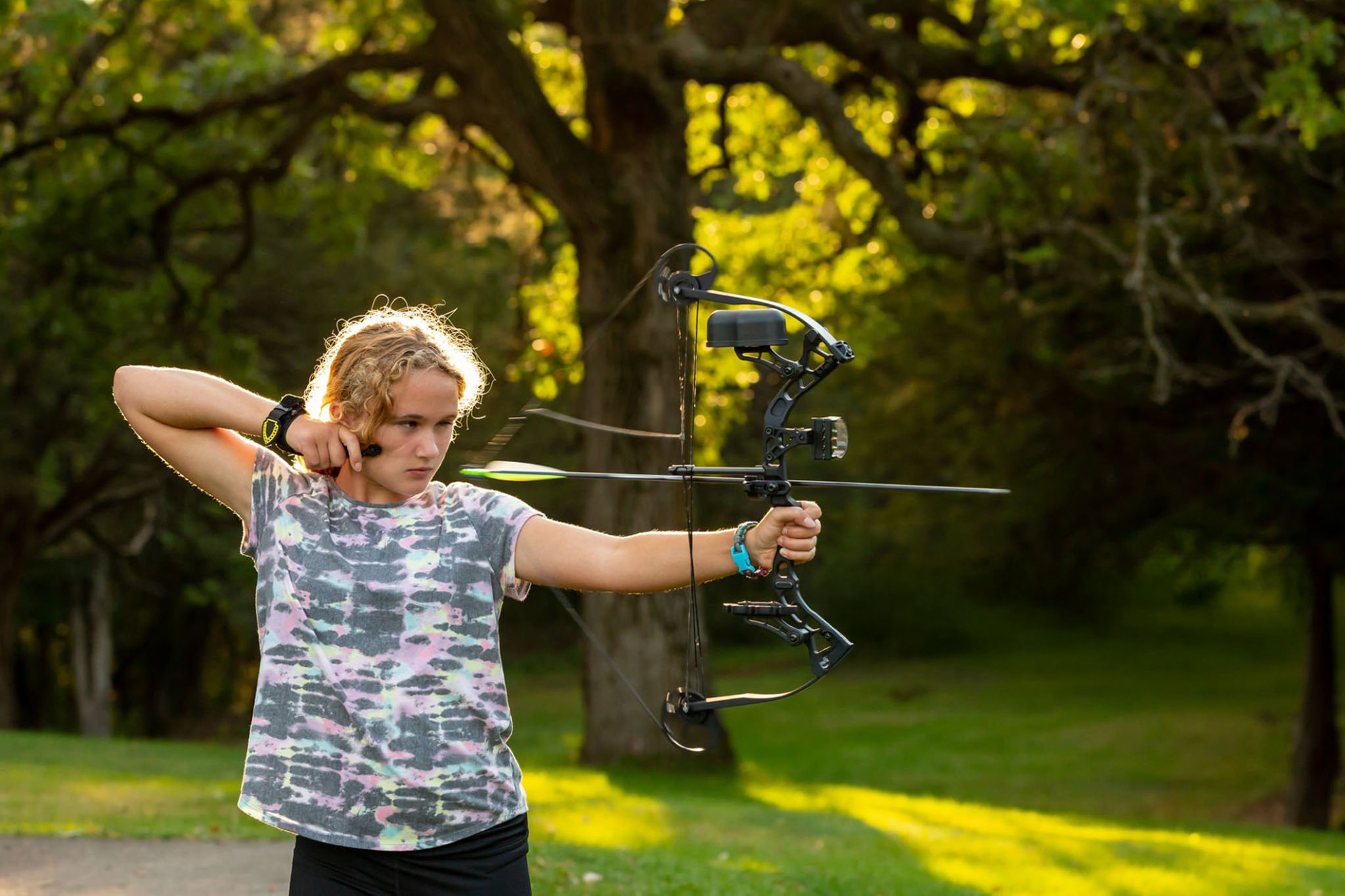
For bowhunters, the moment of truth comes down to a single decision: whether to draw, anchor, and release—or to let down and wait. While countless hours of scouting, stand prep, and practice funnel into that opportunity, the reality is that success often hinges not on when you shoot, but when you don’t. Practicing shot discipline—having the restraint to pass on marginal chances—can be the difference between a clean harvest, a wounded deer, or a missed opportunity entirely.
The Importance of Ethical Restraint
Every hunter dreams of filling tags, but the true mark of a seasoned bowhunter is patience. Deer deserve a quick, clean harvest. That means passing on questionable shots, even when adrenaline is surging. It takes more grit to hold back than to release, but ethical restraint builds respect for the animal, maintains the integrity of bowhunting, and ultimately improves your success rate.
Shot Angles: The Good, the Bad, and the Ugly
Not all shot opportunities are created equal. Broadside or slightly quartering-away angles are prime. They open up the vital zone and give the arrow a straight path to the lungs. But when a deer is head-on, quartering-to, or directly beneath your stand, the risk of poor penetration skyrockets. These angles can result in non-lethal hits to muscle or guts. The seasoned hunter recognizes that “close” does not mean “right.”
Distance Discipline
One of the biggest temptations in today’s bowhunting culture—where rangefinders and flat-shooting bows dominate—is to stretch your shots. While modern equipment is capable of sending arrows accurately at long distances, the reality in the field is messier. Wind drift, deer movement, and human nerves all multiply the risk the farther the arrow has to travel. Most bowhunters know their effective practice range. In the woods, that distance should shrink, not grow. A 50-yard shot on the range might translate to a 30-yard shot in the timber.
Deer Behavior and the “Jump String” Factor
Bowhunters often overlook one critical variable: deer behavior. A relaxed doe feeding in a field is not the same target as a buck on edge, scanning the woods. Deer are notorious for “jumping the string”—dropping at the sound of a bow before the arrow arrives. High-strung animals amplify the risk of poor hits. Reading body language, understanding alert levels, and waiting for calmness are core elements of shot discipline.
Overcoming Buck Fever
The psychological side of restraint is just as real as the physical. Buck fever—when adrenaline surges and fine motor skills collapse—can override even the best judgment. Learning to manage nerves is key. Many hunters benefit from mental drills: controlling breathing, running shot sequences in the mind, and practicing “let down” scenarios during target sessions. Developing the muscle memory to ease off instead of forcing a rushed shot is one of the best investments a bowhunter can make.
Knowing When to Let Down
A clean harvest isn’t just about accuracy—it’s about timing. A deer moving through brush, quartering sharply, or partially obscured by limbs demands restraint. The best bowhunters recognize that a window might never open—and they accept that. Letting down may sting in the moment, but it’s far better than trailing a wounded deer through the night. The discipline to say “not now” creates more success in the long run.
The Payoff of Patience
Shot discipline doesn’t mean missed opportunities—it means better ones. By passing up marginal shots, hunters increase their odds of making the next opportunity count. Deer often circle back. The rut can deliver multiple encounters. And sometimes, letting one deer walk opens the door to a bigger, more ethical shot minutes later.
Final Thought
Archery hunting is about respect—for the animal, the land, and the tradition. The decision not to release an arrow is often harder than the decision to take a shot. But shot discipline is what separates good hunters from great ones. It’s not just about killing deer; it’s about hunting the right way.
