
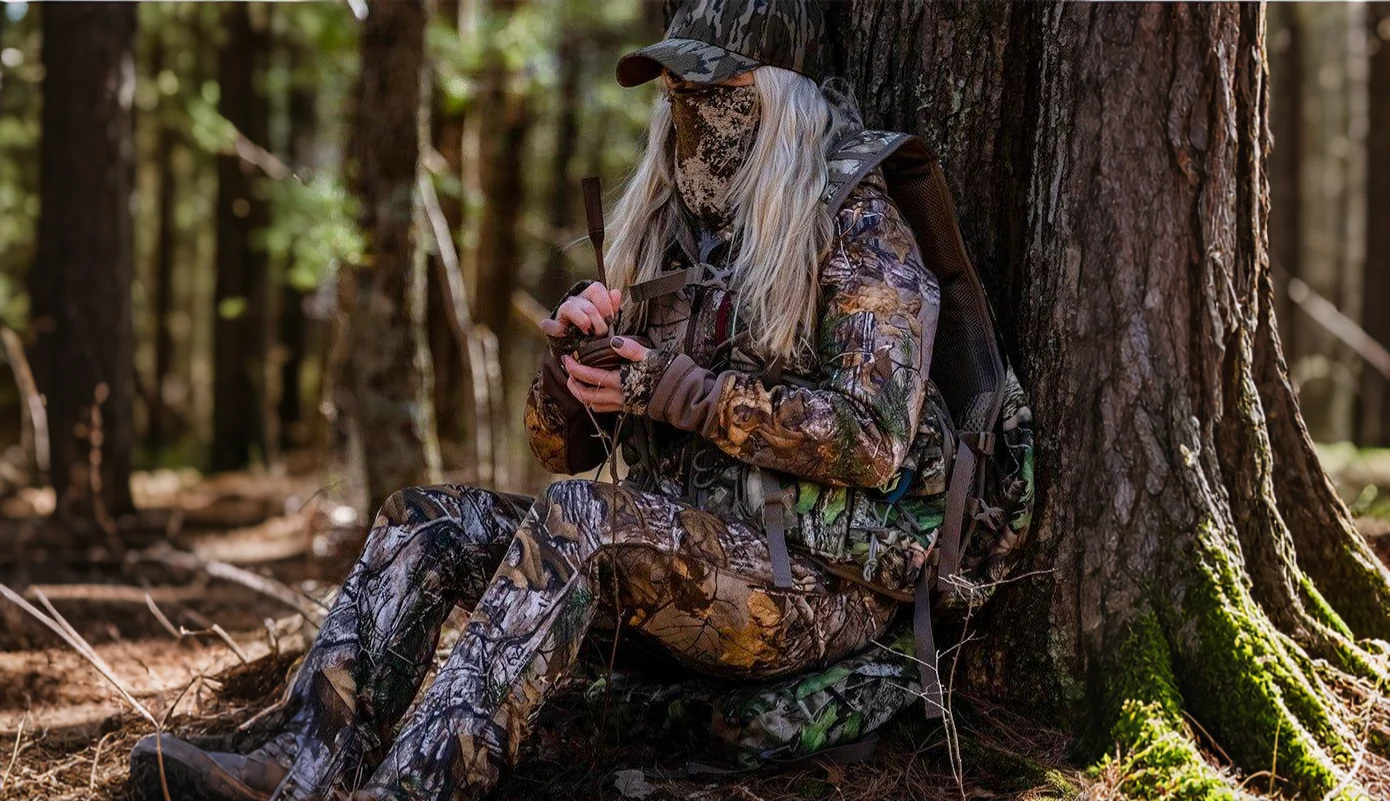
October is one of the trickiest months in the deer woods. Bucks are beginning to shift from late-summer feeding patterns into the restless stirrings of the pre-rut. They’re on their feet more, covering ground, and growing increasingly wary as hunting pressure ramps up. For hunters, the margin for error shrinks dramatically. You can have the right stand, perfect wind, and plenty of deer in the area—but if your entry or exit tips them off, the game is over before it begins.
Mastering quiet approaches and clean exits isn’t glamorous, but it’s one of the most effective ways to consistently outsmart deer in October.
Why Entry and Exit Are Everything
Deer don’t just live where you hunt—they watch how you hunt. They learn quickly which trails smell like human intrusion and which food sources always seem to be disturbed at dusk. Mature bucks, in particular, will simply shift their patterns to avoid stands that hunters enter carelessly. You might never even know they were there.
A sloppy approach can ruin an evening sit before it even begins, and a noisy, scent-heavy exit can sour a stand location for the rest of the month. Treat your entry and exit as critical as the shot itself.
Planning the Perfect Entry Route
A good approach route isn’t always the shortest path from truck to stand. It’s the path that lets you arrive undetected.
- Use terrain to your advantage. Hills, ditches, or creek bottoms can hide movement and dampen sound. Walking the low ground keeps you out of sight lines and often funnels your scent downward.
- Avoid bumping deer from food sources. In October, deer often hit acorns, clover patches, or cut cornfields well before dark. If you blow them out walking in, you’ve already lost. Enter from the opposite side of food or bedding, even if it takes longer.
- Mind your scent cone. Always approach with the wind in mind, not just for the stand location but for the entire walk in. If the breeze carries your scent across bedding cover during your approach, those deer will be gone long before you settle into your stand.
Staying Silent on the Way In
October leaves are crisp, dry, and loud underfoot. One careless crunch at the wrong moment can spook deer from 100 yards away.
- Take slow, deliberate steps. Don’t plow through the woods; mimic natural sounds, like a feeding deer or squirrel.
- Use natural ground cover. Walk on bare soil, grass edges, or creek beds when possible.
- Prep trails in advance. Cutting quiet lanes with a rake or leaf blower weeks before October can make a world of difference.
The Exit: Often More Important Than the Entry
Many hunters underestimate the importance of how they leave a stand. By October, deer are feeding earlier in the evenings, which means your exit route may run straight through an active field or along a trail full of does and young bucks. Blow those deer out night after night, and the older bucks won’t be far behind in changing their routines.
- Slip out the back. Just as with your entry, pick an exit route that avoids food and bedding, even if it’s longer.
- Wait them out if needed. If deer linger near your stand after dark, don’t charge through them. Text a buddy for a pickup, or wait until they drift off naturally. Sometimes patience is the best exit strategy.
- Stay disciplined with scent. Evening thermals often push scent downhill. Factor this in when planning how you’ll leave the stand.
The October Advantage
By mid-October, hunting pressure is building. Gun seasons are on the horizon in many states, and bowhunters are increasingly active. Deer know this—and they start to shift. Quiet entry and exit routes give you a huge edge, keeping stands “fresh” longer. That’s especially important during the October lull, when deer seem to vanish. Often, they haven’t gone far—they’re just moving in response to pressure.
A hunter who can slip in and out without alerting deer becomes part of the background, not a disruption. And that’s exactly the hunter who catches a mature buck cruising the edge of a food source or scent-checking does in late October.
Final Thoughts
October is a chess match with whitetails. Your moves—especially the ones before and after the hunt—dictate the outcome. Walking loudly, cutting corners, or barging through feeding areas will educate deer faster than anything else. But if you plan carefully, use the wind, and slip in and out like a shadow, you’ll always stay one step ahead.
Quiet entry and smart exit aren’t just details—they’re the foundation of success. Master them, and October becomes far less about chance and far more about strategy.
Would you like me to also create a visualized checklist or diagram of “October Entry & Exit Rules”—something hunters could screenshot and keep on their phone before heading to the woods? That could turn this article into a handy field-ready tool.
