
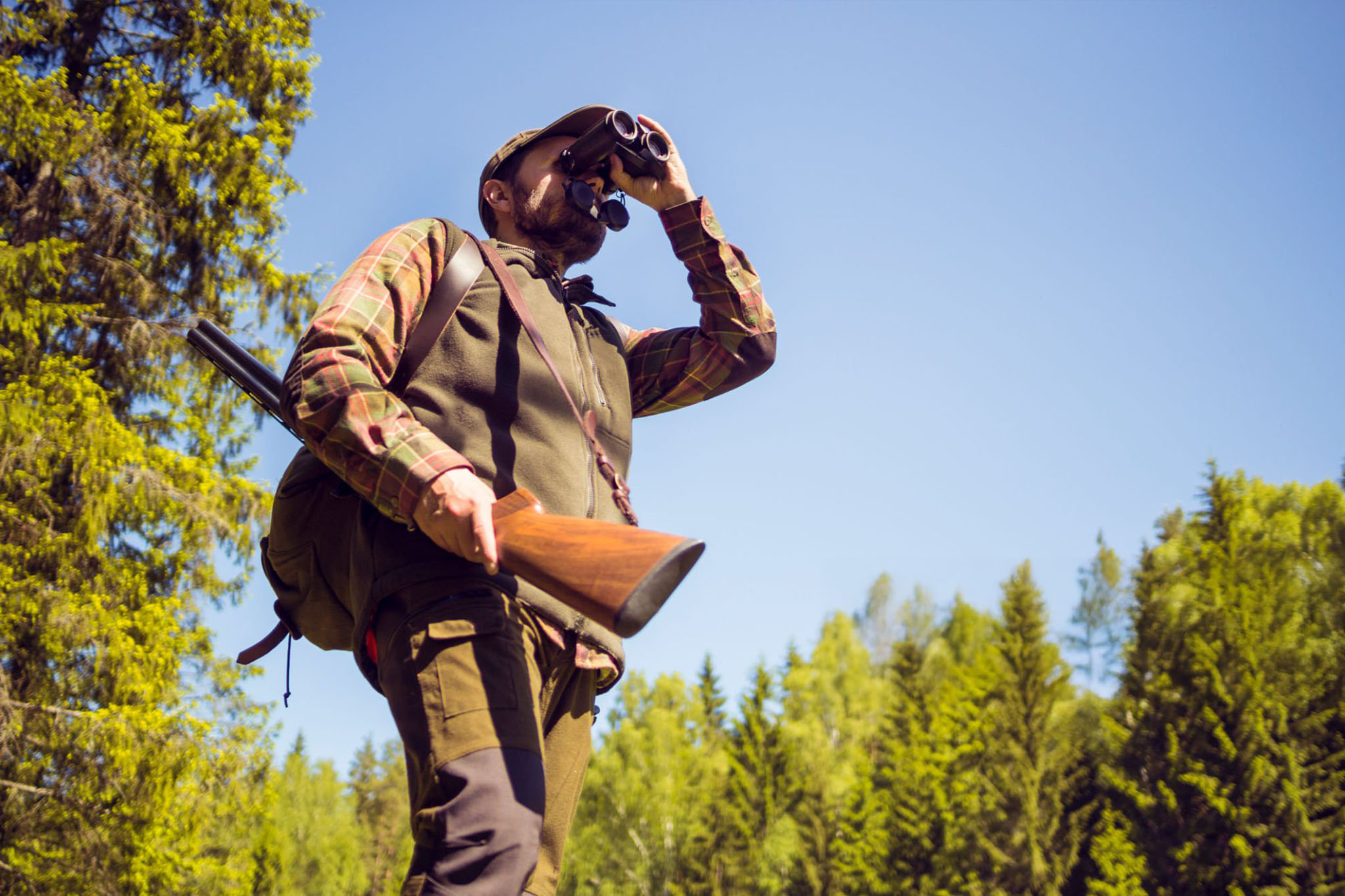
Early fall hunting brings cooler mornings, warmer afternoons, and unpredictable weather patterns. It’s that transition window where preparation makes all the difference. A well-packed backpack is more than just convenience—it’s your lifeline in the field. Carry too little, and you risk being caught unprepared; carry too much, and your pack becomes dead weight.
Here’s a complete guide to the backpack essentials every hunter should carry for early fall hunts.
1. Hydration and Energy
Even in cooler weather, dehydration is a serious risk.
- Water bladder or bottles: Carry at least 2–3 liters, depending on the hunt length.
- Water filtration system: A compact filter straw or pump allows you to refill from streams or ponds.
- High-energy snacks: Trail mix, jerky, protein bars, and nuts provide quick fuel without spoiling.
💡 Pro Tip: Stash snacks in easy-to-reach pockets so you don’t have to dig when game is moving.
2. Navigation Tools
Early fall foliage can look the same everywhere. Don’t rely on memory alone.
- GPS unit or smartphone app: Download offline maps in case of poor service.
- Compass and paper map: Technology fails—traditional tools don’t.
- Flagging tape or reflective tacks: Handy for marking trails to and from your stand.
3. Hunting Essentials
Your backpack is also your hunting toolbox.
- Rangefinder: Critical for both bowhunters and rifle hunters.
- Extra ammunition or arrows: Always pack more than you think you’ll need.
- Game calls: Deer grunts, turkey yelpers, or predator calls depending on target species.
- Scent control spray or wipes: Keeps your odor minimized in shifting winds.
4. First Aid and Safety Gear
Accidents happen, especially when climbing stands or crossing rough terrain.
- Basic first aid kit: Include bandages, antiseptic wipes, pain relievers, and blister pads.
- Emergency blanket: Lightweight and a lifesaver in unexpected cold.
- Whistle and signal mirror: For attracting attention if you get lost or injured.
- Fire starter kit: Waterproof matches, lighter, and fire starter cubes.
💡 Pro Tip: Pack a small headlamp with extra batteries—hands-free light is priceless in pre-dawn or after-dark hikes.
5. Weather Protection
Early fall means rapid weather swings. Be ready for both warmth and cold.
- Packable rain gear: Lightweight and compressible for sudden showers.
- Insulating layer: A fleece or down vest for chilly mornings.
- Lightweight gloves and beanie: Small items that make a big comfort difference.
6. Field Dressing Kit
Harvesting game means having the right tools on hand.
- Sharp hunting knife: Keep it razor-ready.
- Bone saw or folding saw: Useful for larger game.
- Gloves: Disposable nitrile gloves for clean field dressing.
- Game bags: Breathable bags keep meat clean and cool.
- Paracord: Works for hanging quarters or improvising repairs.
7. Comfort and Extras
A few small items can make long sits much easier.
- Seat cushion: Keeps you comfortable in blinds or on cold ground.
- Bug repellent: Mosquitoes and ticks don’t quit just because it’s fall.
- Binoculars: A good pair saves you from unnecessary stalks.
- Multi-tool: Covers everything from gear fixes to camp chores.
8. Packing Strategy
What you carry matters—but so does how you carry it.
- Heaviest items closest to your spine to reduce fatigue.
- Balance left and right sides to prevent shoulder strain.
- Organize by priority: Keep quick-access gear (calls, rangefinder, snacks) in outer pockets.
Final Thoughts
An early fall hunt can be one of the most rewarding outdoor experiences, but only if you’re prepared. By building a thoughtful backpack system that balances safety, hunting gear, and comfort, you’ll be ready for long sits, sudden weather shifts, and successful harvests.
Remember: your pack is your survival kit, your hunting kit, and your comfort kit all in one. Pack smart, and your early fall hunts will be safer, more enjoyable, and more successful.
