
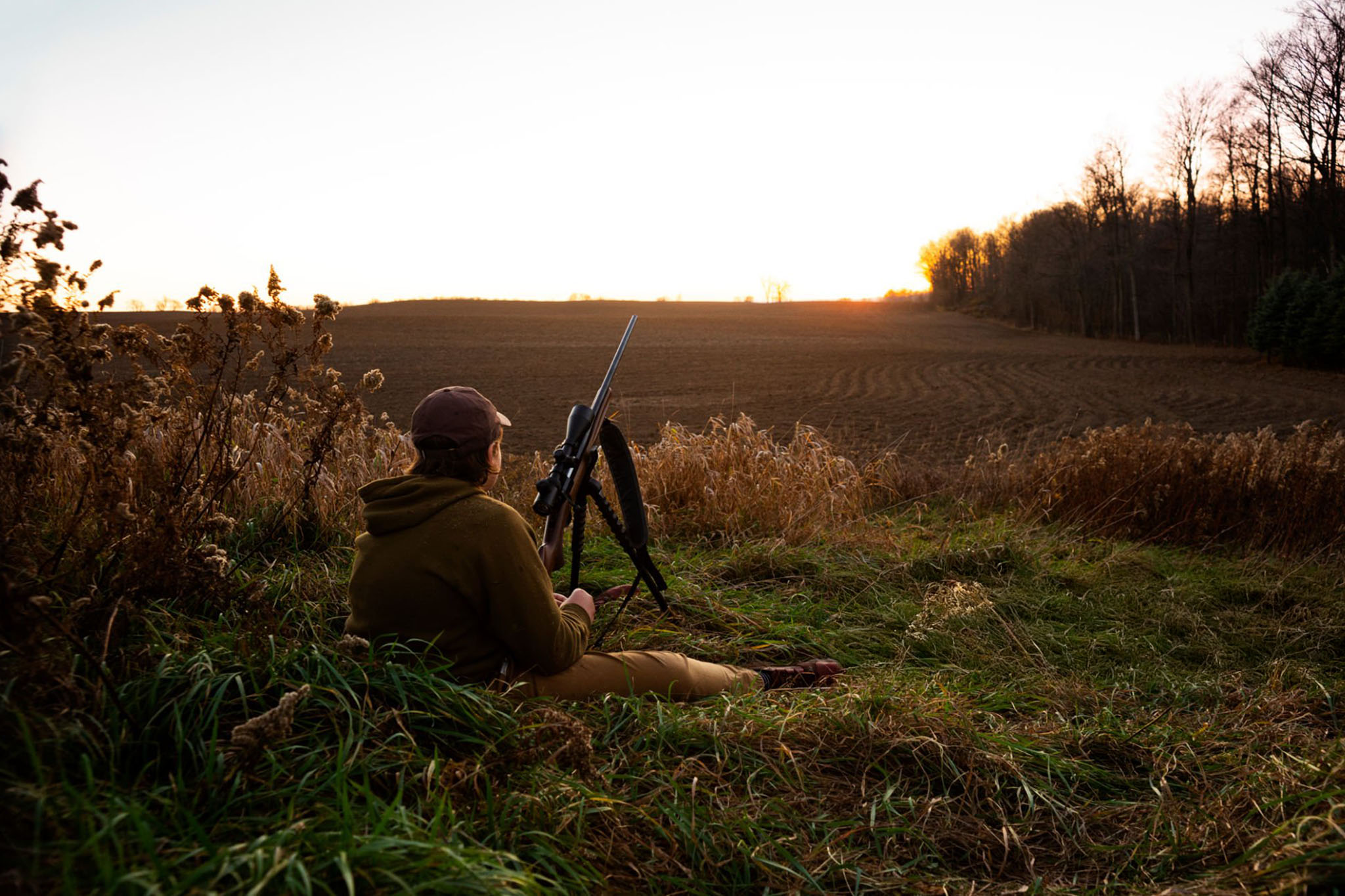
October can be one of the most puzzling months in the whitetail woods. Bucks are restless but not yet reckless, food sources are shifting, and hunting pressure often ramps up just as deer begin to tighten their routines. For hunters, this transitional window—often dubbed the “October lull”—isn’t a dead zone at all. It’s a time to read subtle changes in deer behavior and adjust your approach before the rut truly ignites. Success comes down to noticing patterns others miss and positioning yourself accordingly.
Food Sources Drive the Shift
During early fall, deer often stick to predictable feeding patterns in crop fields and food plots. But as October wears on, soybeans yellow, corn dries down, and mast crops become the real draw. Acorns, persimmons, and apples can completely reshuffle deer movement within a few days.
Bucks will abandon open-field edges if hard mast is dropping heavily in nearby timber. Hunters who continue to focus only on ag fields often find themselves glassing empty rows while deer are gorging 100 yards back in the woods. The key is to scout for fresh sign—acorn caps, droppings, and turned-up leaves—that reveal where deer are actively feeding.
Bedding and Cover Adjustments
As hunting pressure builds, deer retreat from exposed bedding in thickets near food to more secure cover. Bucks especially favor transitional zones—brushy ditches, cutover edges, or creek bottoms that give them both concealment and multiple escape routes.
Trail cameras often confirm this shift. Pictures of daylight activity along obvious field edges start to dwindle in October, while mid-morning or midday images in deeper cover begin to pick up. Smart hunters adjust their stand placement accordingly, pushing closer to bedding while still respecting wind and entry routes.
The Rise of Scrapes and Rubs
October is the month bucks begin laying down sign. Rub lines appear as they strip velvet and strengthen neck muscles, while scrapes pop up near travel corridors and doe feeding areas. These aren’t just random acts—they’re communication hubs that mark territory and broadcast readiness for the coming rut.
Scrapes especially can serve as a goldmine for patterning. In mid to late October, bucks often check them regularly in daylight before their movements expand during peak rut. Hanging a stand downwind of a primary scrape near cover can produce a shot opportunity on a mature buck that’s still cautious but beginning to stretch his range.
Timing the Hunt
Many hunters still focus on dawn and dusk, but October movement often happens outside those hours. Cooler mornings after a cold front can spark unexpected activity well past sunrise. Likewise, bucks sometimes shift into late-morning patterns, returning from food sources with just enough confidence to linger in cover before bedding.
This makes all-day sits, or at least mid-morning hunts, worthwhile in October. If you’ve patterned a buck near a scrape or mast crop, resist the urge to climb down at 9 a.m.—he may be moving at 10.
Playing the Weather Advantage
Weather fronts in October act as catalysts. A significant temperature drop, rising barometric pressure, or steady north wind following a storm can all light a fire under otherwise lethargic deer. Bucks seem to sense the change and move earlier and more predictably.
Hunters who keep tabs on these shifts—and are willing to hunt weekdays or odd hours to match them—consistently outproduce those who wait only for weekends. In October, flexibility is as important as persistence.
The Big Picture: Patience with Purpose
October isn’t about chasing rut-crazed bucks—it’s about reading subtleties. The food shifts, the bedding cover changes, the rubs and scrapes appear, and deer movement narrows into smaller, more secure windows. By tuning in to those transitions, hunters put themselves in the right spot before the chaos of November arrives.
In other words, October is about patience with purpose. If you’re disciplined enough to adapt instead of sticking with early-season habits, you may not just beat the “October lull”—you may tag your buck before the rut ever truly begins.
