
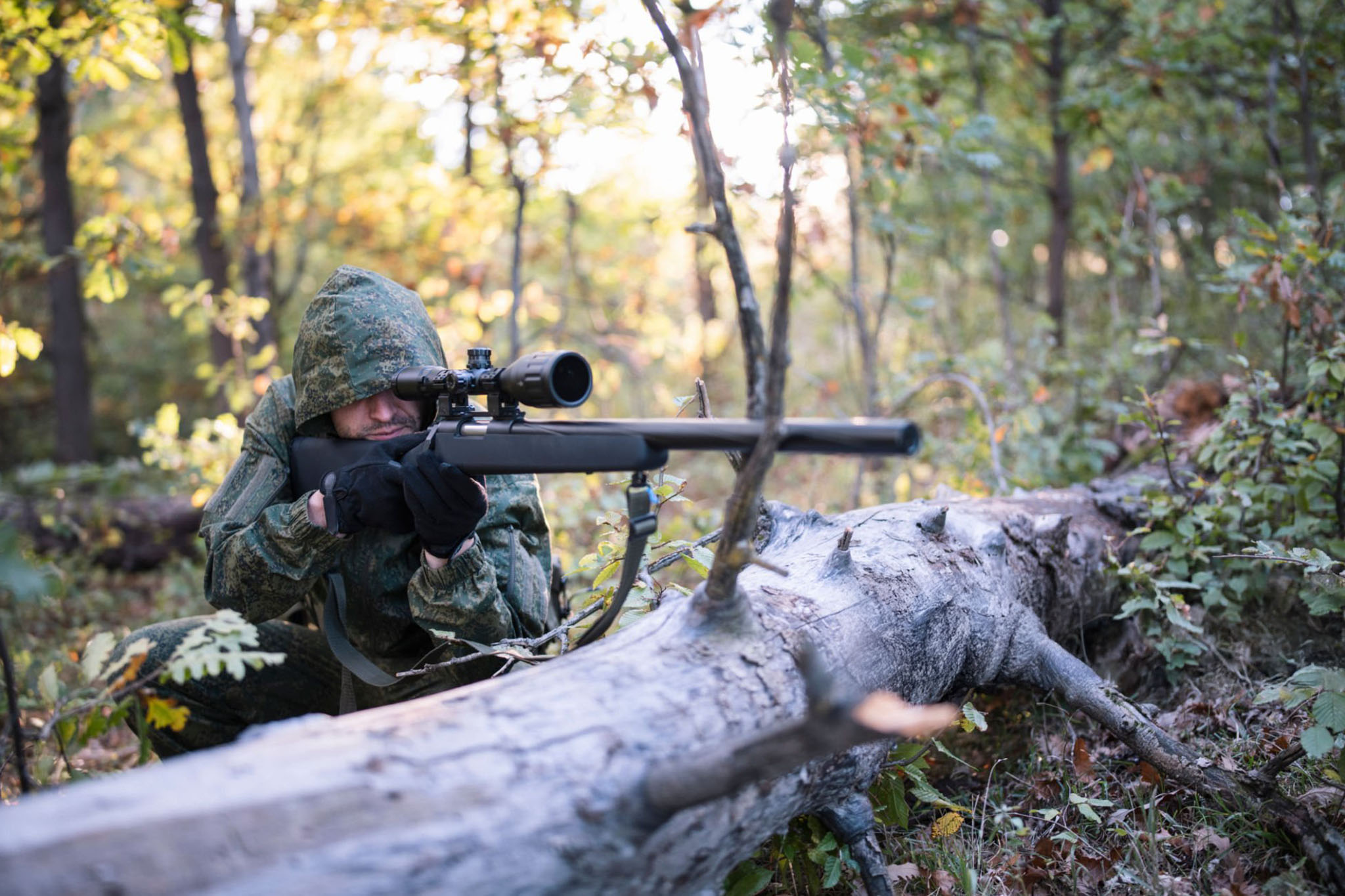
For many bowhunters, early to mid-fall feels like a sweet spot. Deer are still moving on somewhat predictable feeding-to-bedding patterns, but the intensity of hunting pressure hasn’t yet kicked into high gear. This window—before the woods flood with orange vests and the rut scrambles movement—can be one of the best times to take advantage of natural transition cover. And the key is learning how to ambush deer where field, food, and forest meet.
Why Transition Cover Matters
Whitetails are creatures of edge. They rarely walk across wide-open fields in daylight unless there’s no pressure. Instead, they skirt along brushy fencerows, creek-bottom cover, or strips of thick vegetation that provide just enough concealment while still letting them move from food to bed efficiently.
Transition cover functions like a highway system for deer. It connects primary needs—food, water, bedding—while giving them security. When hunting pressure rises later in the season, deer often retreat deeper into cover and become far harder to kill. But right now, with lighter pressure, they’re more willing to use these travel corridors during daylight.
Locating Productive Edges
Not all edges are created equal. The most effective ones typically combine multiple features that deer crave. Look for:
- Brushy fencerows or hedgerows between ag fields and timber.
- Overgrown field edges where grass and young saplings provide both browse and concealment.
- Creek lines or ditches that cut across open land and funnel movement.
- Timber transitions—for example, where hardwoods meet thickets or pines.
These areas not only hide deer as they travel but also often provide a quick snack of browse, berries, or mast along the way. That combination of food and cover makes them high-odds ambush points.
Stand Placement Strategies
The trick with edge hunting is to anticipate the flow of deer traffic without pushing too close to bedding areas. Key stand considerations include:
- Set up downwind of travel corridors. Even in low-pressure times, deer will bust you fast if the wind betrays you.
- Hunt evening movement first. Deer are usually heading from bedding to fields, so positioning near food-edge cover pays off.
- Leave morning sits for strategic spots. In the morning, deer may already be on their way back from feeding, so set up near edges closer to bedding cover without diving too deep.
- Elevate wisely. In thick edges, a 15-foot stand may give you a clean shot lane while still keeping you concealed.
Timing Is Everything
The beauty of hunting edges early is that deer are still relatively relaxed. But this window closes quickly once neighbors start hunting hard, farmers fire up harvest equipment, and bucks feel the shift toward breeding season.
Late September through early October is often the golden zone for edge ambushes. Deer are still hitting fields regularly but moving earlier in the evening. As soon as acorns dominate the menu or pressure spikes, activity along field edges tends to decline.
Scouting for Fresh Sign
One mistake hunters make is relying on last year’s setups without verifying current deer use. Edges can change fast depending on crop rotations, cover growth, or mast availability. Always confirm with fresh sign:
- Tracks leading from fields to cover.
- Rub lines along fencerows or creek banks.
- Droppings and nipped vegetation where deer pause to browse.
- Evening glassing—watch edges from a distance to spot entry and exit trails.
Trail cameras can help, but don’t overlook the power of boots-on-the-ground scouting paired with observation sits.
Staying Low-Impact
Edges are great, but they can be fragile if pressured too hard. A single sloppy entrance route can alert deer and push them deeper into cover. To keep your ambushes effective:
- Approach stands using terrain or vegetation for concealment.
- Avoid walking directly across fields when possible—hug the edge or use creek bottoms.
- Limit hunts on the same stand to keep deer from patterning you.
Remember: the goal is to strike early before pressure drives deer nocturnal.
Final Thoughts
Edge ambush hunting is all about capitalizing on a fleeting window. Deer naturally prefer transition cover, and during early fall, they’ll often use it in daylight with little hesitation. By identifying productive edges, scouting for fresh activity, and hunting with the wind in your favor, you can punch your tag before hunting pressure peaks and the easy patterns vanish.
Hunters who wait until mid-season often find themselves chasing ghosts deep in the timber. Those who strike now, along the quiet edges, can turn transition zones into high-percentage killing grounds.
