
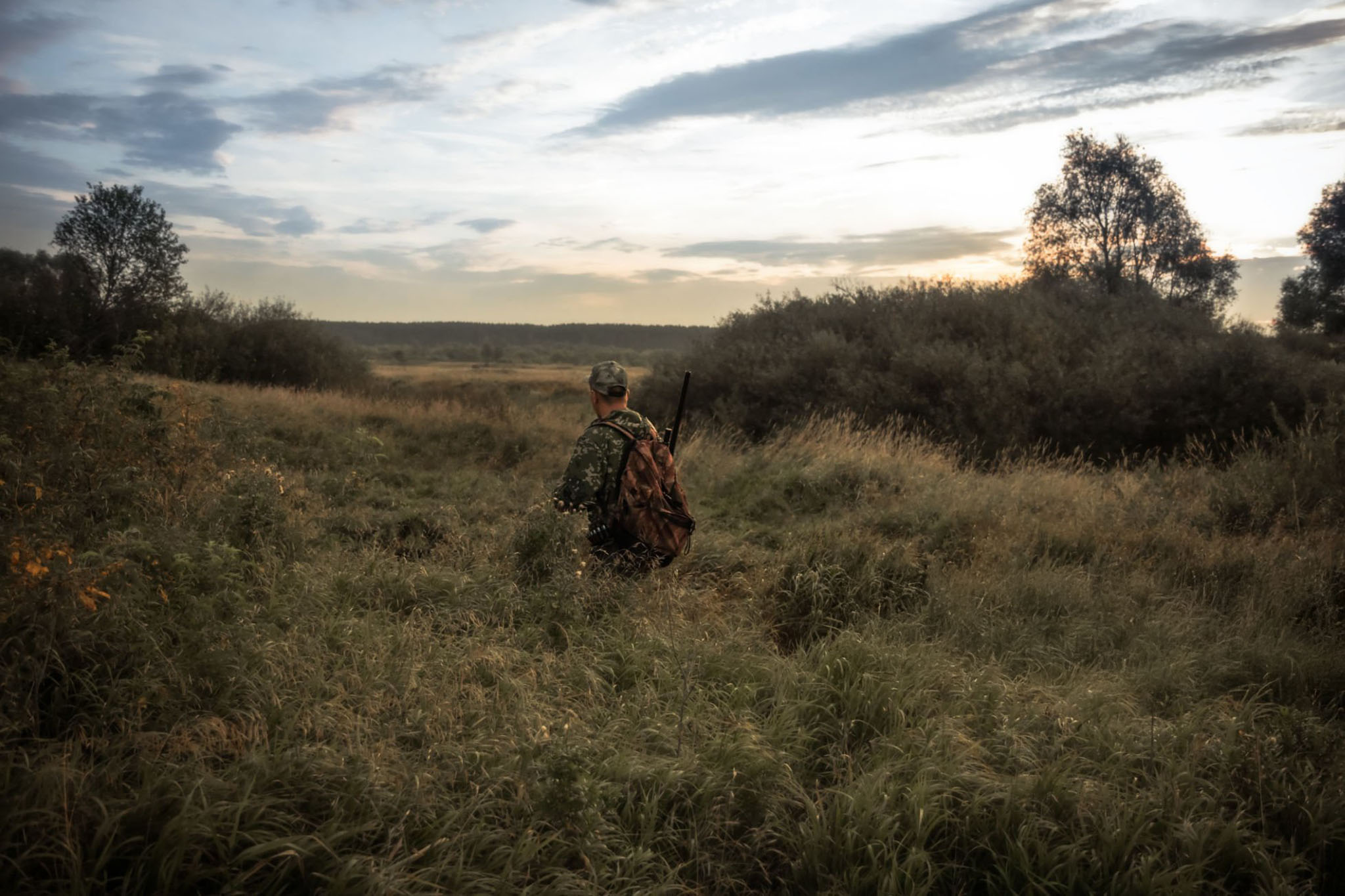
Early fall hunting can be a game of patience, skill, and, surprisingly, science. As the season transitions, bucks are on the move, leaves rustle with a new crispness, and the wind and thermals play a bigger role than many hunters realize. Understanding how to “read the air” can dramatically increase your odds of success, helping you stay undetected while putting yourself in prime shooting positions.
1. Why Air Movement Matters
Deer have an acute sense of smell, often surpassing a hunter’s ability to remain hidden visually. A subtle shift in wind direction can carry your scent directly to a feeding or bedding deer, spooking it before you even draw your bow. Early fall conditions bring fluctuating temperatures, creating thermals—rising warm air and sinking cool air—that affect how your scent travels.
- Cool mornings: Air tends to sink into valleys and low-lying areas, meaning your scent may linger lower than expected.
- Midday warmth: Sun-heated slopes generate upward thermals, potentially carrying odors over ridges and open fields.
- Evening chills: As temperatures drop, deer often feed on south-facing slopes where warm air pockets form.
2. Reading Local Wind Patterns
Every hunting property has its own microclimates. By observing how winds swirl around ridges, valleys, and tree lines, you can anticipate scent movement and plan stand placement accordingly.
- Ridge Lines: Wind accelerates over ridges. Position yourself downwind of anticipated deer routes to avoid detection.
- Valleys and Draws: Often shielded from steady breezes, these areas can trap scents. A deer moving along a draw may catch you even if the main wind feels favorable.
- Open Fields: Thermal currents can carry your scent across open areas. Try to approach from downwind or use natural breaks to block airflow.
3. Thermals and Deer Movement
Understanding thermals gives hunters a strategic edge. Bucks adjust their patterns based on rising and sinking air, often using it to move undetected.
- Morning Thermal Pulls: As sunlight hits south-facing slopes, warm air rises. Deer may bed slightly upwind of these currents, staying out of scent paths.
- Afternoon Shifts: Cooling air in shaded areas creates downward currents. Bucks may move through these pockets to avoid detection while still accessing feeding areas.
- Evening Strategies: Deer often feed into the wind at dusk, taking advantage of cooler down-slope thermals that carry human scent away from their path.
4. Stand Placement and Scent Control
The best hunters don’t just react to wind—they plan for it:
- Check Multiple Approaches: Before committing to a stand, identify multiple access routes that allow you to approach downwind.
- Use Natural Barriers: Hills, rock outcrops, and dense cover can break up thermals and block scent movement.
- Adjust Early: Don’t assume the morning wind will stay constant. Early fall often brings shifting breezes; reposition or change your approach as needed.
5. Practical Tools for Reading the Air
Several simple tools and techniques can help you stay ahead of the wind:
- Wind Meters: Compact handheld devices give you precise wind speeds, helping with both scent control and shot adjustments.
- Flagging Tape or Grass Strands: Placing small markers along your route helps visualize air direction in real time.
- Observation: Watch smoke, falling leaves, or moving branches—these natural indicators often reveal thermals more reliably than instruments.
6. Mindset: Patience and Adaptation
Early fall hunts test your ability to adapt quickly. Deer are cautious, and the air is an invisible game-changer. By learning to anticipate wind shifts, thermals, and their effects on deer movement, you increase your chances of seeing—and successfully harvesting—bucks that might otherwise vanish.
Conclusion
Mastering wind and thermals isn’t just a technical skill—it’s a survival tactic for early fall hunters. Properly reading the air, positioning stands intelligently, and adapting to subtle changes in temperature and airflow allows you to stay invisible while maximizing your opportunities. In the coming weeks, let the currents guide you, not the other way around. By respecting the science of scent and movement, your early fall hunts can move from routine to remarkable.
