
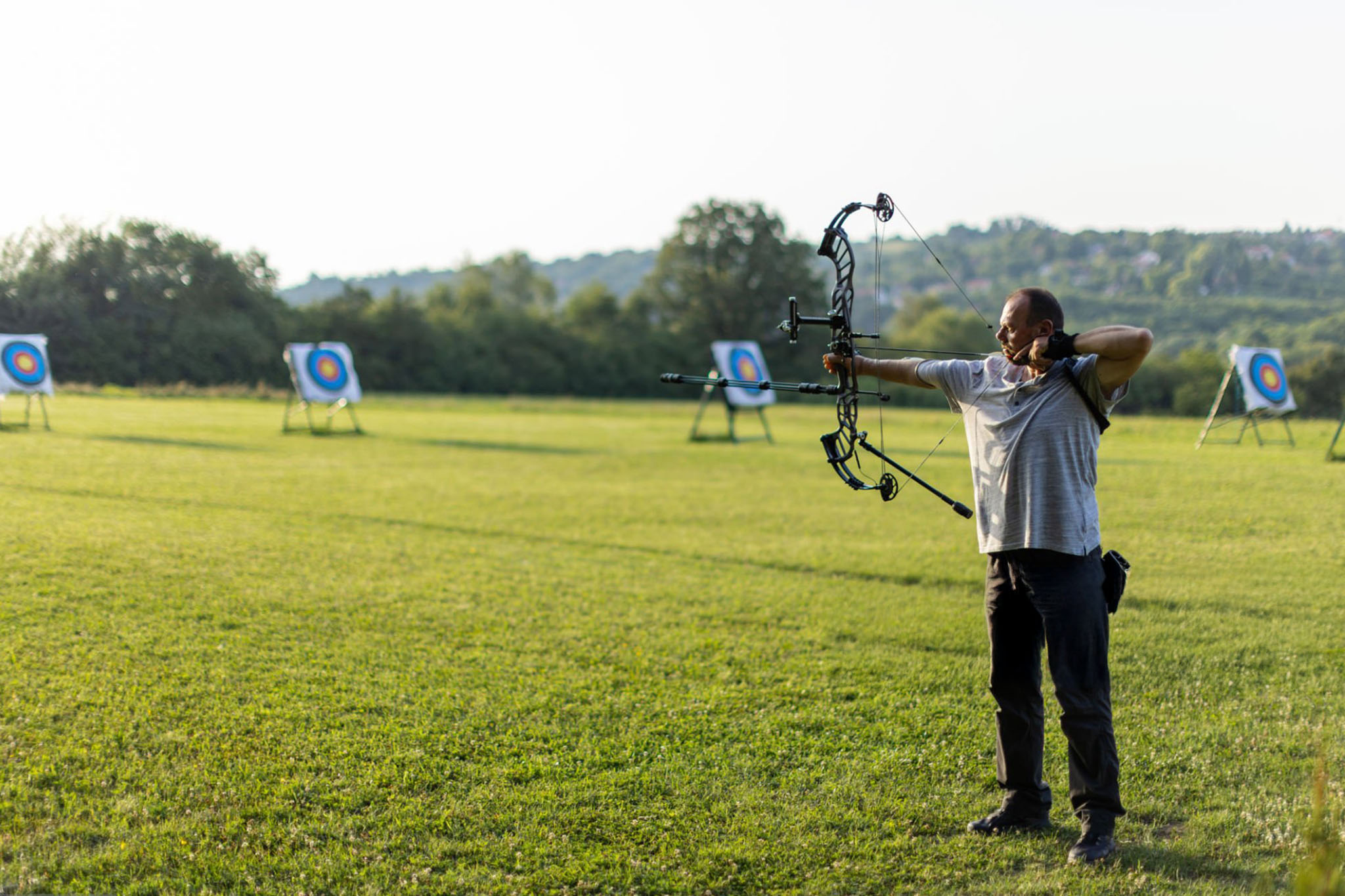
As the rut approaches, whitetail hunters know that precision and timing become critical. A perfect shot often means the difference between tagging a mature buck or leaving the stand empty. While field knowledge and scouting are essential, pre-rut practice drills are what separate consistent hunters from the rest. Sharpening your shooting accuracy under pressure now ensures confidence when the season peaks.
1. Understanding the Stakes
The pre-rut period is a time of heightened deer activity. Bucks are becoming more mobile, but still cautious. Hunting pressure can make them unpredictable, meaning hunters must be ready to capitalize on fleeting opportunities. This is why training under simulated pressure is invaluable: it conditions both your mind and body to respond quickly without sacrificing accuracy.
2. Target-Based Drills for Consistency
Focusing on small, controlled targets builds the foundation for precision:
- Spot Shooting: Set up small foam targets or 3D foam bucks at varying distances. Practice hitting the vital zone consistently, simulating real-life shot placement.
- Timed Shots: Place targets at different ranges and give yourself only a few seconds per shot. This replicates the fast-decision scenarios often encountered in tree stands or ground blinds.
- Elevated Shots: Practicing from a ladder stand or elevated platform helps adjust for shooting angles. Use a portable target at a similar height to replicate the real conditions of a treestand.
3. Mental Conditioning Drills
Accuracy isn’t just about the bow or rifle—it’s about mindset:
- Visualization Exercises: Before shooting, visualize the shot sequence: spotting the buck, drawing, aiming, and executing. Mental rehearsal strengthens neural pathways for real encounters.
- Pressure Scenarios: Enlist a friend or family member to simulate movement around your stand. Noise or slight distractions mimic field conditions, training you to remain composed and focused.
- Breathing Techniques: Controlled breathing reduces tremors and steadies your aim. Practice exhaling slowly while drawing and releasing to build a routine that will translate to the field.
4. Adjusting for Distance and Wind
The pre-rut period often has bucks moving through open fields and transitional cover, meaning shots can be longer or affected by wind:
- Range Estimation: Practice judging distances accurately with binoculars and rangefinders. Simulate shots at varied distances to improve instinctive accuracy.
- Wind Reading Drills: Set up targets in different wind conditions, or use a fan indoors to replicate crosswinds. Learning to compensate for wind ensures the arrow or bullet hits the intended zone.
5. Dynamic Shooting Exercises
Bucks rarely present perfect, stationary shots. Dynamic drills improve your ability to respond:
- Moving Target Practice: Use swinging targets or slightly rolling balls to mimic deer movement. Shooting at moving targets helps your eyes and hands work in sync.
- Angle Shots: Place targets at side or quartering-away angles. Learning to adjust for angling increases your effective shooting zone in real hunts.
- Quick Draw Drills: Time your draw from rest position to release, emphasizing smoothness under simulated pressure. This builds muscle memory for quick, accurate shots.
6. Equipment Checks During Practice
Pre-rut drills are also the perfect time to ensure gear is ready:
- Bow or Rifle Tuning: Confirm broadheads, arrows, or bullets are perfectly sighted in. Minor inconsistencies can ruin a shot.
- Release or Trigger Practice: Ensure your release or trigger works smoothly under pressure. Combine this with timed drills for maximum effect.
- Safety Protocols: Practicing with safety in mind ensures that even under pressure, mistakes are minimized.
7. Translating Practice to the Field
Drills only help if the lessons carry over to real hunts:
- Routine Repetition: Daily or weekly practice reinforces habits and strengthens confidence.
- Simulate Real Conditions: When possible, practice at the same time of day you hunt, with the same clothing and gear. Muscle memory will transfer directly to the field.
- Review Performance: Use video or notes to track consistency, identifying weak points before the rut arrives.
Conclusion
Pre-rut practice drills are more than target shooting—they’re mental and physical preparation for high-pressure hunting moments. By combining technical skill, mental focus, and real-world simulations, hunters can enter the rut with confidence, ready to make precise, ethical shots on mature bucks. Investing time now in structured drills ensures that when the perfect opportunity arises, you’ll be prepared to capitalize.
