
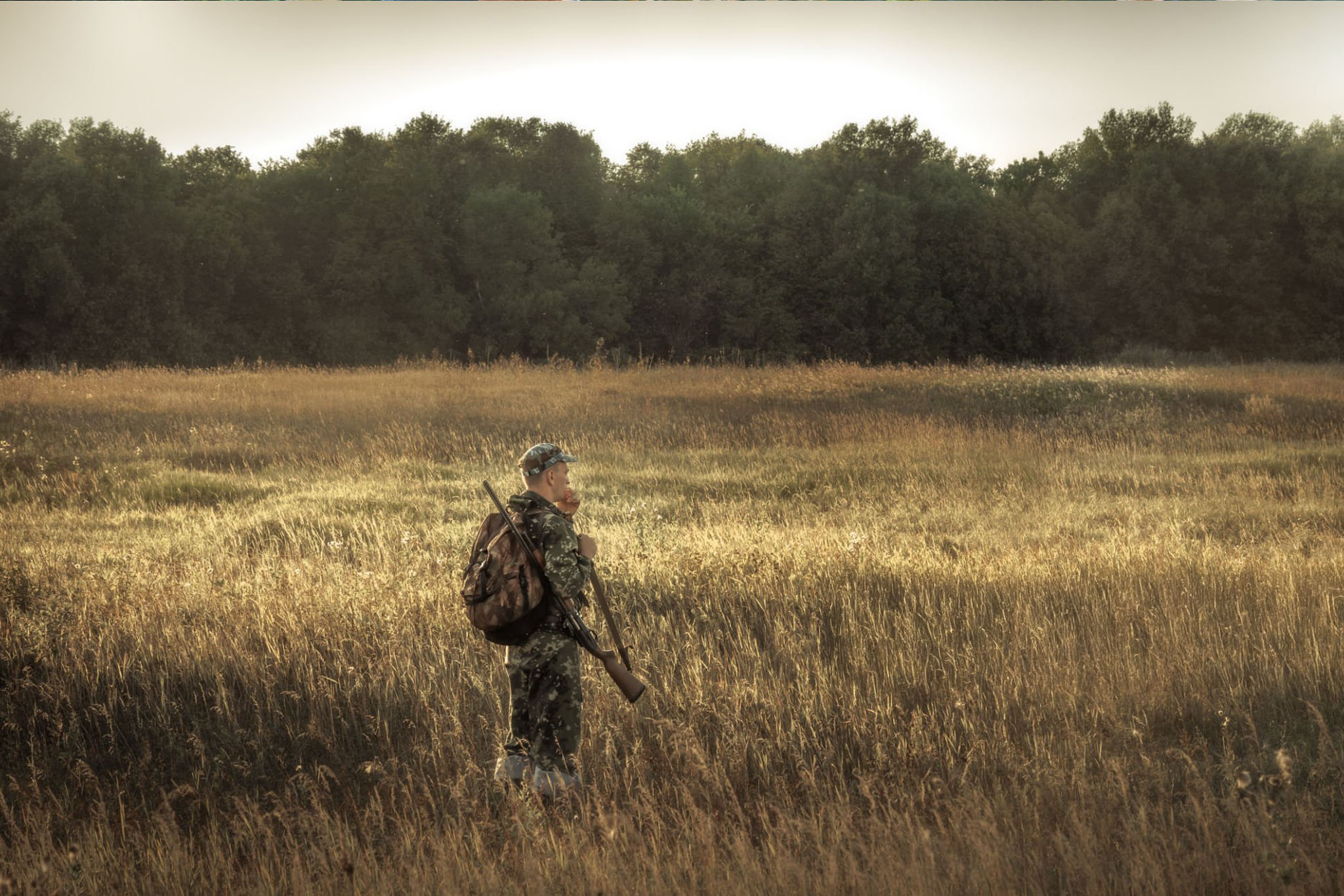
October is widely regarded as the heart of early-season hunting, particularly for whitetails, as bucks start transitioning from summer habits to pre-rut behaviors. But the secret to a successful October hunt isn’t just in the stand you sit in—it begins weeks before, with strategic scouting during late summer. Taking the time to observe, map, and understand deer movement now can dramatically increase your chances of success later.
1. The Value of Early Scouting
Scouting in late summer and early fall provides critical insights:
- Pattern Recognition: Understanding where bucks feed, bed, and travel now helps anticipate their routes in October.
- Pressure Assessment: Identifying areas that are under heavy hunting or human disturbance allows you to find quieter zones where deer feel safe.
- Stand Optimization: Early scouting reveals the best locations for tree stands or ground blinds before the rut begins.
Even small details—like fresh rubs, scrapes, or new trails—can indicate a buck’s emerging tendencies, which will solidify in October.
2. Tracking Key October Zones
During late summer scouting, focus on identifying areas that will be critical once October arrives:
- Feeding Grounds: Cornfields, soybean patches, mast-producing oaks, and agricultural edges are prime feeding spots. Note which areas show heavy deer activity and trail patterns.
- Transitional Cover: Bucks often move through brushy edges or small timber corridors between bedding and feeding areas. These transition zones are perfect ambush points later in the season.
- Water Sources: Even small creeks or ponds become heavily trafficked during dry spells. Bucks and does will consistently use these water sources, especially mid-morning and late afternoon.
Documenting these areas with GPS points or mapping software creates a visual blueprint of deer movement that pays off when October hunting begins.
3. Understanding Bucks’ Pre-Rut Behavior
Late summer bucks are starting to respond to the hormonal changes that drive the rut:
- Territorial Preparation: Bucks begin marking boundaries with rubs and scrapes along trails connecting feeding and bedding areas.
- Exploratory Movements: Lone bucks may expand their ranges, testing new feeding spots or bedding cover. Observing these shifts early helps predict October patterns.
- Hierarchy Establishment: In areas where multiple bucks are present, you may notice subtle dominance displays—such as increased rub frequency or scent marking—indicating which bucks are likely to be the first movers during the rut.
4. Creating Your Scouting Map
A proper scouting map for October hunting should include:
- Trail Systems: Mark high-traffic deer trails connecting bedding, feeding, and water areas.
- Sign Locations: Note rubs, scrapes, tracks, and droppings. Track changes over time to understand movement trends.
- Stand Locations: Identify potential ambush points that intersect high-traffic routes while maintaining proper wind direction and concealment.
- Pressure Zones: Highlight areas of human activity to avoid pushing deer into pressured spots.
A detailed map allows for flexibility. Bucks change patterns, but consistent observation and recording now mean you’ll be ready when the prime October window opens.
5. Timing and Fieldwork
Late summer scouting should be done during low-activity hours to avoid spooking deer:
- Early Morning or Late Evening: Deer are more likely to be feeding, making observation easier without interference.
- Thermal Considerations: During hot late summer days, bucks may retreat to thick cover. Watch for signs at the edges of these areas rather than inside the densest cover.
- Regular Updates: Bucks’ movement patterns shift as the season progresses. Revisiting key areas multiple times in August and September ensures your map stays accurate.
6. Gear and Preparation
Scouting now also allows you to ensure your October gear is optimized:
- Tree Stands and Ground Blinds: Pre-positioning these setups ensures minimal disturbance once hunting season begins.
- Trail Cameras: Early placement provides valuable photos of buck size, antler development, and group composition.
- Scent Control: Monitoring wind patterns and trail usage now lets you choose the most effective strategies to stay undetected in October.
Conclusion
Successful October hunts start well before the season opens. By scouting in late summer and early fall, hunters can map deer movements, identify prime feeding and bedding zones, and set up stands with precision, increasing the odds of harvesting a mature buck. The effort put in now—observing trails, documenting rubs, and understanding pre-rut behavior—ensures that when October arrives, you’re not just hunting—you’re executing a carefully planned strategy for maximum success.
