
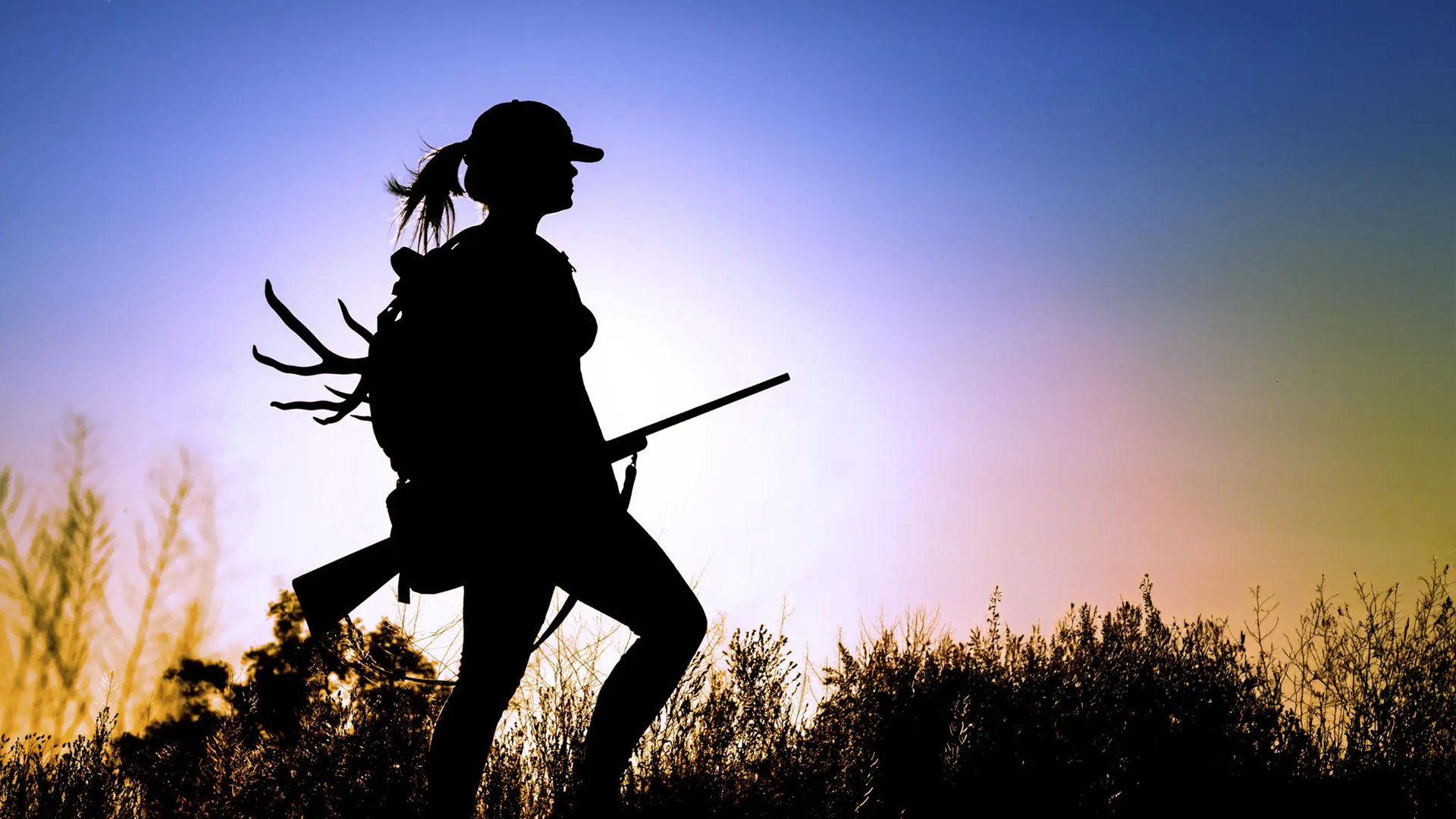
As the calendar flips toward early fall, whitetail hunters know that gear selection can make or break a hunt. Temperatures are fluctuating, bucks are on the move, and the early season requires a fine balance of preparedness and mobility. Conducting a thorough early fall gear check ensures that your pack is lean, functional, and ready for anything the woods throw at you.
1. Assessing the Essentials
Start with the basics. Some gear items are non-negotiable:
- Tree Stand Essentials: Safety harness, ropes, and straps should be inspected for wear. Replace any frayed lines or worn buckles to ensure safety on every climb.
- Navigation Tools: Map, compass, and GPS should be functional and easily accessible. Batteries for GPS units or headlamps should be fresh.
- Weather Gear: Lightweight rain shell or windbreaker remains essential. Early fall weather can be unpredictable, and a wet or windy hunt can sap stamina and focus.
2. Evaluating What Stays
Some items remain staples regardless of changing conditions:
- Field Dressing Kit: Even early in the season, a basic kit—knife, gloves, and bone saw—remains crucial for quick processing.
- Hydration and Snacks: Energy bars, trail mix, and water or hydration bladder should stay in your pack. Early fall hunts can be long, and staying fueled is essential.
- Rangefinder and Binoculars: These tools help you gauge distances and locate bucks without spooking them. They are irreplaceable in any season.
3. Items to Rotate or Remove
Not every item you carried in summer will be necessary:
- Bug Repellent: As temperatures drop and deer become more active, mosquitoes and ticks lessen. You can swap heavy sprays for lighter protection or remove them entirely.
- Extra Cooling Layers: Summer-specific cooling gear or sweat-soaked base layers may now be unnecessary. Replace with moisture-wicking fall layers.
- Heavy Sunscreen or Sun Gear: Early fall light is less intense. Lighter sun protection or a smaller hat may suffice.
4. Adjusting for Early Season Conditions
Early fall presents unique challenges—bucks are moving but cautious, and mornings can be cool while afternoons warm:
- Layering Strategy: Keep thin, insulating layers that can be added or removed quickly. A lightweight fleece under a windbreaker is often perfect.
- Scent Control Items: Early fall bucks are highly alert. Ensure scent-eliminating sprays, scent-blocking bags, or clothing stay in your pack.
- Noise Reduction Gear: Buck calls, rattling antlers, or grunt tubes may need to be rotated in for specific scouting strategies. Only carry what you plan to use to avoid extra weight.
5. Gear Organization Tips
A packed but organized bag increases efficiency and reduces stress in the field:
- Compartmentalize: Keep small essentials like rangefinders, calls, and knives in easy-access pockets.
- Weight Distribution: Heavier items closer to your back help maintain balance while climbing or walking.
- Check Before Each Hunt: Even if you prepared yesterday, early fall mornings are hectic. A final quick check ensures nothing vital is left behind.
6. Field-Testing Gear
Before hitting the stand:
- Short Trial Hike: Load your pack and hike a few hundred yards. Adjust straps and remove unnecessary weight.
- Test Layering: Wear all layers you plan to hunt in to see how they perform in fluctuating temperatures.
- Equipment Functionality: Test calls, rangefinders, and GPS units to confirm everything is working properly.
7. The Mindset Behind Gear Checks
Gear checks are more than a routine—they are about confidence in the woods. Knowing that your pack is optimized for early fall allows you to focus on scouting, positioning, and reading deer behavior, rather than worrying about forgotten items or cumbersome weight.
Conclusion
The early fall hunt demands a balance between preparedness and mobility. By performing a meticulous gear check—keeping what is essential, rotating out what’s unnecessary, and adjusting for seasonal conditions—you set yourself up for efficiency and success in the field. When you reach your stand, every item in your pack should have a purpose, allowing you to focus entirely on spotting and harvesting that first early-season buck.
