
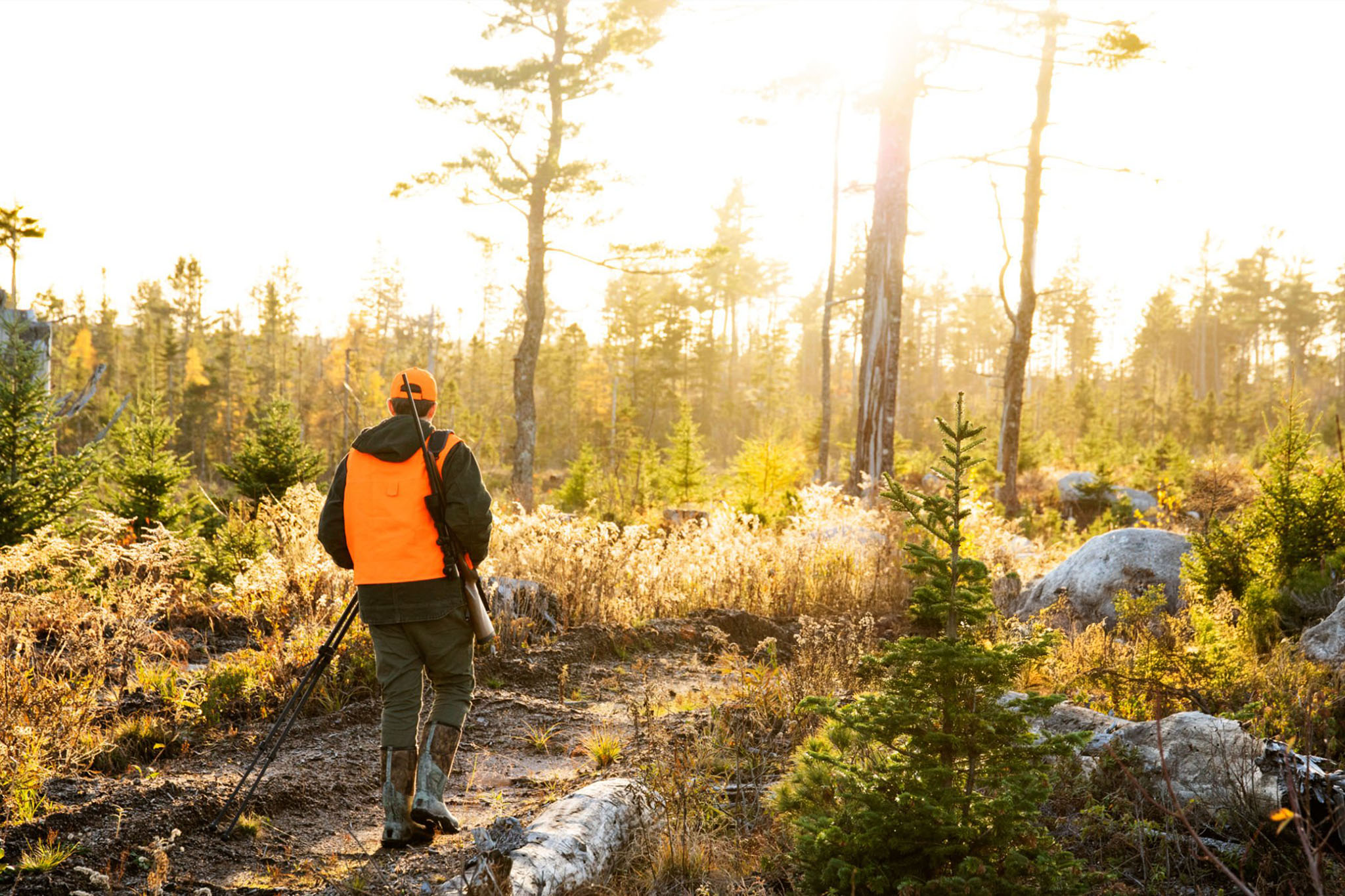
Setting up your treestand or ground blind in the weeks before hunting season can make or break your success. Too many hunters put in the work to find a prime location—fresh sign, perfect wind, natural cover—only to sabotage it before the first arrow is nocked. Pre-season stand placement is an art that blends stealth, strategy, and discipline. If you get it right now, you’ll be hunting relaxed deer on opening day instead of educating them before the season even begins.
Mistake #1: Setting Stands Too Close to Bedding Areas
The temptation is real—find a big buck’s bedroom and hang right on top of it. But in late summer, when deer patterns are predictable and foliage is thick, bumping a mature buck from his bed can push him nocturnal weeks before the season.
Better Approach: Stay just outside the “danger zone.” Place stands near travel corridors or staging areas between bedding and feeding sites. Use trail cameras with long-range lenses to monitor activity without stepping foot into core bedding cover.
Mistake #2: Ignoring Wind and Thermals
You can have the perfect stand location and blow it—literally—if you ignore how the wind and thermals work in that spot. Warm-weather mornings often push thermals upward, while cool evenings pull scent down. Shifting breezes in hilly terrain can also betray you.
Better Approach: Scout the stand location at multiple times of day, in different wind directions. Drop milkweed fluff or a lightweight powder to see exactly how air currents move. Place stands where prevailing winds work in your favor for the deer’s most common travel patterns, not just where the sign is thickest.
Mistake #3: Cutting Too Much or Too Little
Some hunters carve out wide, unnatural shooting lanes that look like highways in the canopy, while others barely trim anything and end up with no clean shot opportunities. Both extremes can cost you.
Better Approach: Use a handsaw or pruners to create narrow, natural-looking lanes just wide enough for a clean shot. Spread them in multiple directions so you’re not locked into a single shooting window. Always trim in a way that leaves surrounding vegetation to keep the stand concealed.
Mistake #4: Poor Access Routes
If you can’t get to your stand without alerting deer, the spot is doomed from the start. Walking across open fields, crossing active trails, or pushing your scent into bedding areas can ruin even the most carefully chosen stand.
Better Approach: Plan an entry and exit route with the same precision you use to hang the stand. Use ditches, creek beds, or standing crops as cover. Time your access with natural noise cover (windy days, light rain) when possible. If needed, cut a hidden path before the season so you can slip in quietly.
Mistake #5: Placing Stands Too Early or Too Late
Hang your stand too early in the summer, and deer may pattern you if you check it repeatedly. Hang it too late, and you risk spooking deer during the sensitive pre-season window.
Better Approach: Identify your spot early, but limit disturbance. Hang stands in late summer—close enough to season that deer won’t have weeks to adjust, but far enough out that your intrusion scent fades. Once the stand is up, stay out until you’re ready to hunt.
Mistake #6: Overlooking Concealment
A stand in the right place with no backdrop or cover turns you into a billboard. Deer pick up on movement faster when you’re silhouetted against open sky.
Better Approach: Always have a background—tree trunks, leafy cover, or clusters of branches—to break up your outline. If using a ground blind, brush it in thoroughly with natural vegetation from the area.
Mistake #7: Forgetting About Multiple Options
Putting all your eggs in one stand basket is risky. A shift in wind, changing food sources, or early hunting pressure can make a single location useless.
Better Approach: Hang at least two or three stands covering different wind directions and deer patterns. This keeps you from forcing hunts in bad conditions and burning out your best spot.
Final Thoughts
Pre-season stand placement isn’t about guessing—it’s about controlled, informed decisions. Every trip into the woods before season should have a purpose, whether it’s a quiet gear drop-off or a single scouting pass. Avoid the temptation to over-check your spots, keep human intrusion low, and let your stands “rest” until you’re ready to hunt. If you do it right, that first crisp morning in the stand will feel like you’re sitting in untouched deer country—because you are.
