
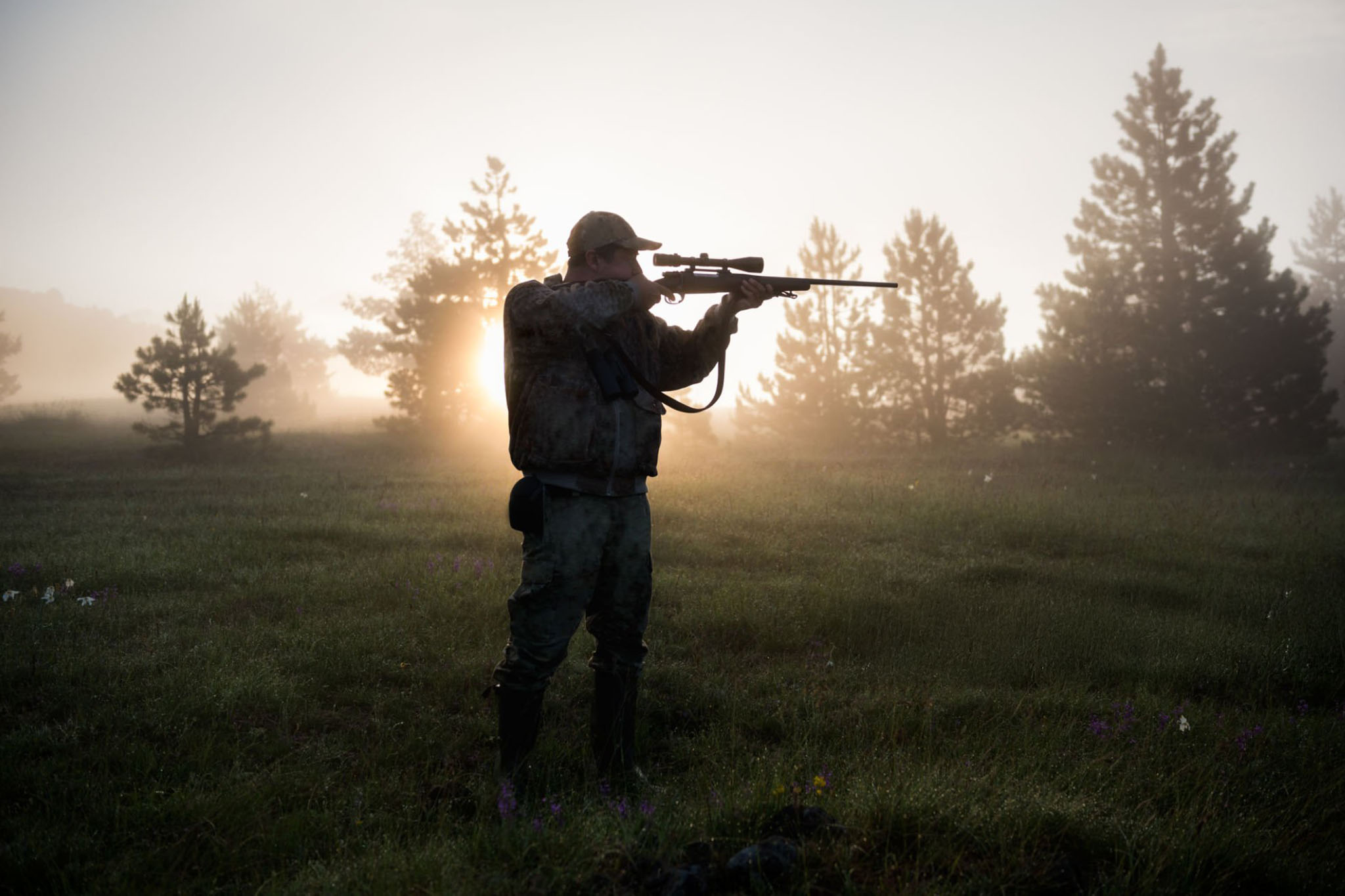
When late summer starts to give way to the first cool nights of early fall, everything changes in the deer woods. For weeks, mature bucks have been locked into predictable late-summer routines—feeding in open fields, lounging in shaded bedding areas, and moving only during the safest, darkest hours. But as the temperatures drop, so does their guard, and the shift in movement can be dramatic if you know how to read it.
The Science Behind the Shift
Deer are highly sensitive to temperature changes, and even a drop of 10–15 degrees can alter their daily behavior. In early fall, cooler nights signal that the rut is inching closer, food sources are changing, and days are getting shorter. Bucks feel that internal clock ticking. They begin to spend more time on their feet during daylight, often traveling farther between bedding and feeding areas. The combination of more comfortable conditions and the early stirrings of rut-related behavior makes this a golden window for hunters.
Identifying the First Movement Windows
The earliest cool nights often come in short bursts, sometimes just ahead of a cold front. Bucks take advantage of these weather shifts to explore new feeding grounds or to check on the fringes of doe bedding areas. Your job is to catch them during these windows, which might only last two to three days before temperatures climb again.
- Watch the Forecast: If you see a cool front coming, clear your calendar.
- Look for Temperature Drops of 10+ Degrees: That’s often enough to spark earlier movement.
- Focus on Evenings First: While mornings get better later in the season, early fall evenings can be dynamite after a cool-down.
Food Sources in Transition
In early fall, bucks start moving away from summer favorites like soybeans and clover toward calorie-dense foods that will carry them into winter.
- White Oaks: Acorns are the ultimate early fall magnet. If they start dropping, deer will abandon other feed for them.
- Cut Corn Fields: Bucks will hit these hard once harvest begins.
- Edge Browse: Cool nights encourage longer travel, so they may hit secondary browse before or after the main food source.
Stand Placement for the Early Fall Shift
Your stand location can make or break this opportunity.
- Hunt Travel Corridors: Bucks tend to move along predictable paths between bedding and food, especially during early evening cool-downs.
- Stay Off the Bedding Area: It’s tempting to push in, but this is a time for patience. Position yourself where you can intercept without risking a bump.
- Play the Wind and Thermals: Evening thermals drop toward lower ground—set up accordingly to keep your scent out of the travel line.
Scouting Without Spoiling
Now is not the time for heavy intrusion. Use low-impact scouting methods:
- Glass from Afar: Early fall bucks will still enter fields before dark, especially on cool nights.
- Deploy Trail Cameras on the Fringe: Avoid placing them deep in bedding cover—stick to field edges, scrapes, and travel routes.
- Use Historical Data: If you’ve hunted the same ground before, past early-fall movement patterns often repeat.
Timing Is Everything
The beauty of this early fall window is its predictability—until it closes. Once temperatures rise again, or pressure builds, bucks can slip right back into nocturnal mode. This means your best shot is often on the very first cool evening after a warm spell. That’s when they’re most likely to make a mistake.
Gear and Approach
- Dress Light: You’ll still be walking in warm afternoons, so pack layers you can add after reaching your stand.
- Quiet Entry: Early fall leaves can be dry and noisy—take your time on approach.
- Optics Over Calls: Bucks aren’t in full rut mode yet; observation is your biggest tool.
Final Word
Cooler nights in early fall aren’t just a break from summer heat—they’re a signal to mature bucks that change is coming. If you can spot the pattern, position yourself correctly, and strike during that narrow window, you stand a much better chance of tagging a buck that’s been a ghost all summer.
