
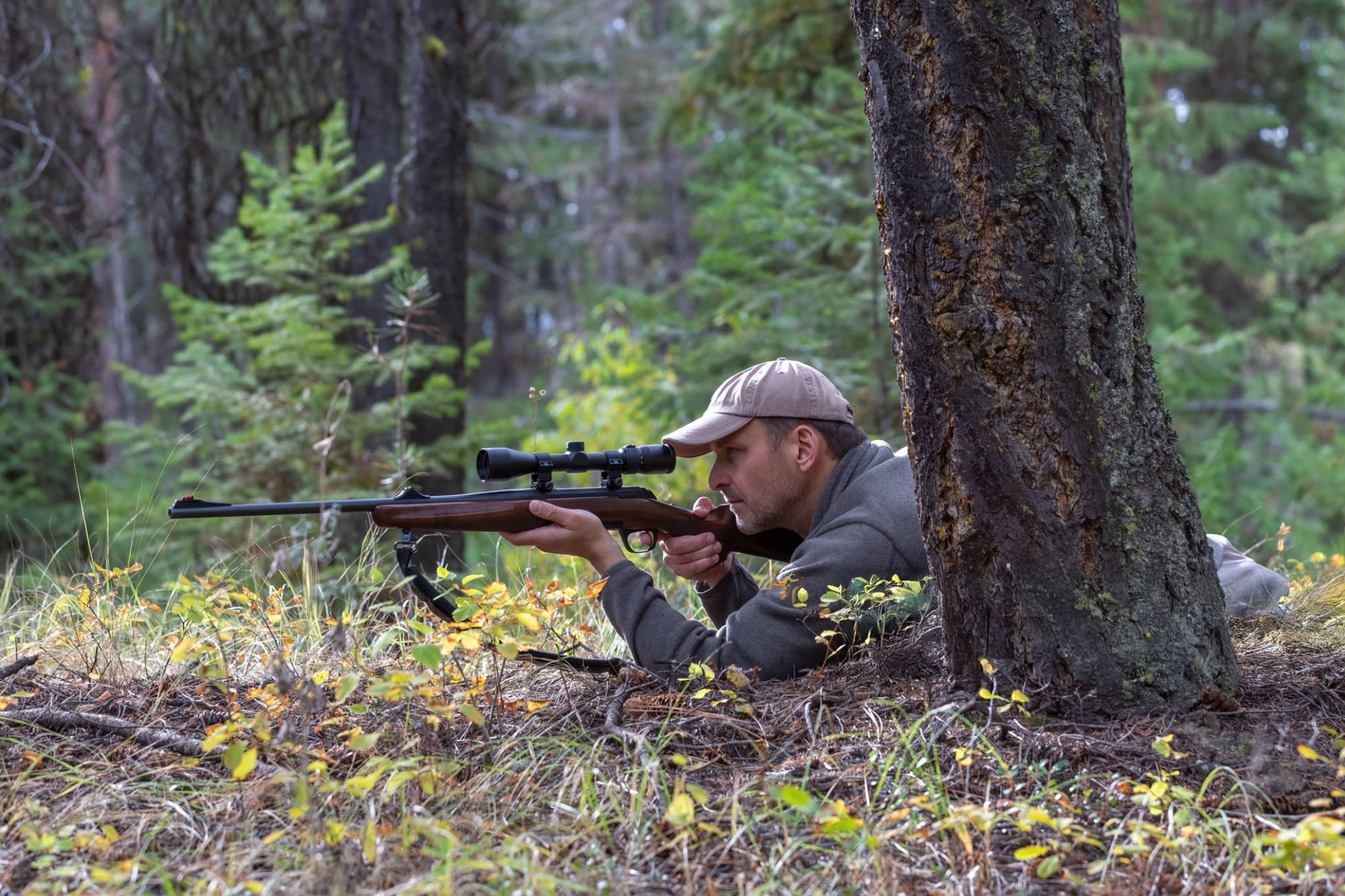
For whitetail hunters, understanding where deer feed is only half the battle. To consistently tag mature bucks, you need to connect the dots between their dinner table and their bedroom. Tracking food-to-bed movement patterns can reveal the exact travel corridors that put deer in your shooting lane during legal light.
Late summer and early fall are prime times to pattern these routes. Bucks are still on predictable feeding schedules, and the trails they use to slip from open fields back into thick cover in the morning—or from beds to fields in the evening—are often the key to a successful setup.
Why Food-to-Bed Patterns Matter
Whitetails are creatures of habit when left undisturbed. During the summer-to-fall transition, bucks often:
- Feed in the same fields night after night.
- Follow established trails to and from bedding.
- Adjust routes only slightly based on wind direction and pressure.
If you can identify both ends of their route and the in-between travel zone, you can intercept them without ever stepping into their core bedding area.
Identifying Key Food Sources
Food sources are the starting point of the puzzle. In late summer and early fall, focus on:
- Ag Crops: Soybeans, alfalfa, and early-harvest corn fields are prime evening draws.
- Mast Trees: White oak acorns, persimmons, and early-dropping apples can shift patterns overnight.
- Native Browse: Ragweed, clover patches, and honeysuckle along field edges often attract deer before crops are ready.
Pro Tip: Glass from a distance in the evening to spot which field corners or edges bucks prefer. Often, they’ll use the same entry and exit points consistently.
Locating Bedding Areas
Finding the bed end of the route requires more subtle scouting. Look for:
- Thick Cover Adjacent to Food: Bucks often bed within 200–400 yards of their primary food source in summer.
- Elevated Terrain with a View: Ridge points, benches, or knolls where they can watch their backtrail.
- Wind-Advantaged Locations: Beds positioned to catch the prevailing wind from behind while monitoring approach trails visually.
Avoid pushing directly into suspected bedding during the season—bump them once, and the pattern may break.
Connecting the Dots: Travel Corridors
Once you’ve identified both feeding and bedding zones, study the terrain and cover between them. High-odds travel routes often include:
- Edge Habitat – The transition line between two types of cover (timber to brush, grass to woods) is a natural travel path.
- Topographic Funnels – Saddles, creek crossings, and narrow ridges channel movement.
- Hedgerows and Ditches – Provide concealed travel from food to cover.
- Logging Roads or Old Trails – Bucks will use these if they offer security and a quick route.
Look for fresh sign like parallel trails, tracks, droppings, and rubs that line up with your glassing observations.
Timing Your Hunts
The beauty of food-to-bed pattern hunting is precision. You don’t have to sit all day—you just need to be in the right spot when the deer move.
- Morning Hunts: Riskier in early season, but possible if you can set up between the field and bedding without alerting deer in the dark. Often best after a cold front or weather change.
- Evening Hunts: Most productive in early season. Set up just off the field, downwind of the travel corridor.
- Wind and Entry: Always choose a wind that keeps your scent out of both the bedding and the route. Use low-impact access like creek beds or brushy fencerows.
Adjusting for Hunting Pressure
Once hunting pressure ramps up, expect bucks to:
- Shift to secondary trails parallel to main routes.
- Enter fields later, sometimes after dark.
- Stage up in smaller “transition” feeding areas inside the woods.
Adapt by hunting deeper in the cover, closer to bedding, and catching them in these staging zones.
Final Thoughts
Tracking food-to-bed movement isn’t just about knowing where deer feed or sleep—it’s about understanding the story of their daily travels. By scouting both ends and mapping the safest travel corridors, you can slip into ambush points that produce high-percentage encounters without overpressuring your spot.
The deer are already telling you where they’re going. Your job is to listen, watch, and be there before they know you’re in the game.
