
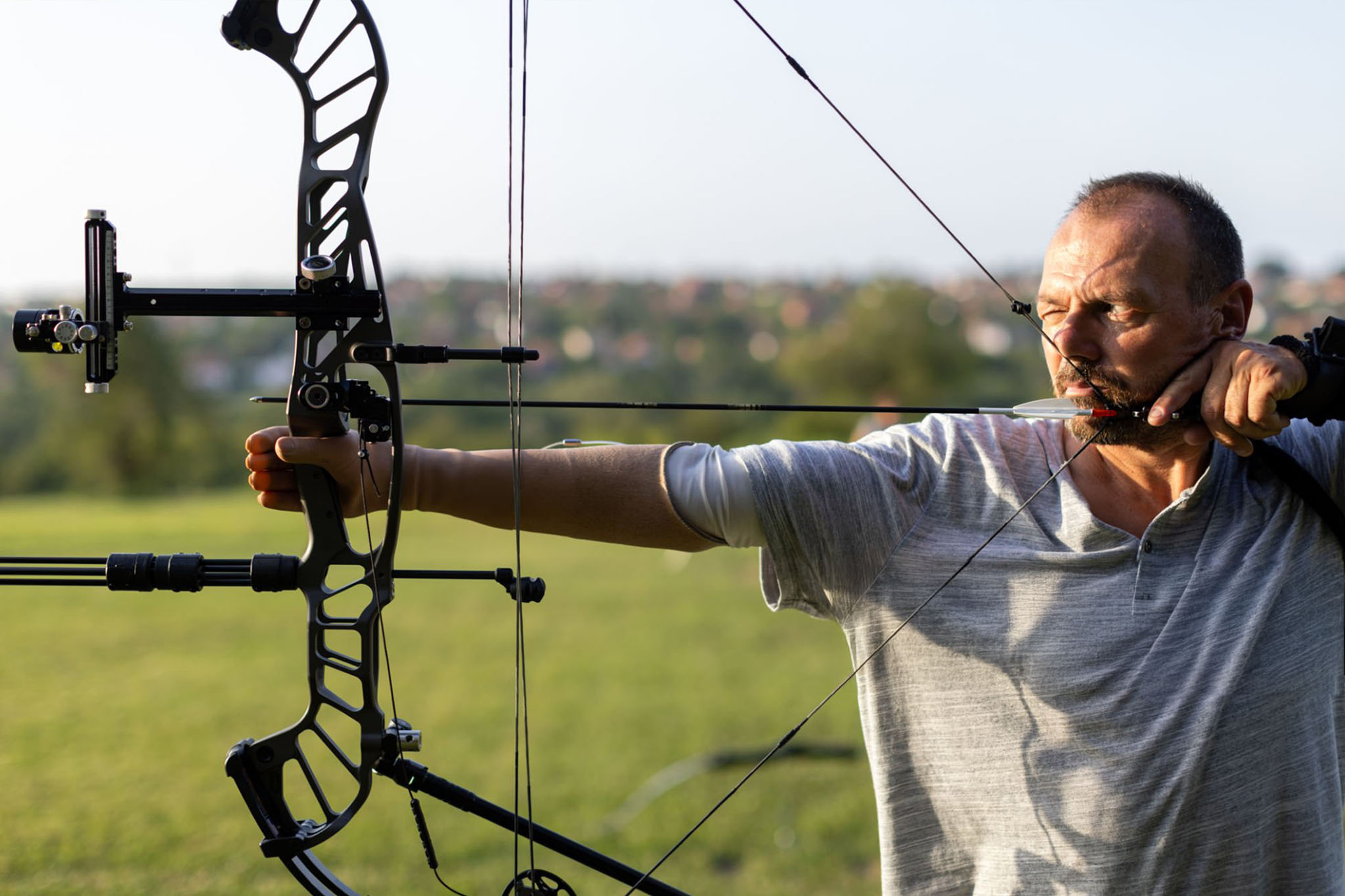
A finely tuned bow is more than just a piece of equipment—it’s an extension of the archer. Whether you’re chasing early-season whitetails or lining up for a late-season shot in frigid air, a bow that’s perfectly dialed in can mean the difference between a clean pass-through and a heartbreaking miss. The secret? Tuning your setup so every arrow flies true, no matter the conditions.
Why Bow Tuning Matters
Think of tuning as the hidden foundation of accuracy. You can have the most expensive sight and the sharpest broadheads on the market, but if your bow isn’t tuned, you’ll be chasing inconsistencies all season long. Proper tuning ensures:
- Arrows leave the rest cleanly, without fishtailing or porpoising.
- Broadheads hit the same spot as field points.
- Your bow is quiet, smooth, and forgiving under hunting conditions.
1. Start with a Precise Center Shot
The center shot is your baseline. It aligns the arrow with the natural power path of the bow.
- Measure First: Use a bow square or laser tool to ensure your arrow rest centers perfectly with the string and riser.
- Paper Test Early: Shoot through paper from 6 feet away. You’re aiming for a perfect bullet hole—no tears indicating left/right or up/down kick.
- Micro Adjustments: Small turns on your rest bolts can eliminate even tiny tears. This is where patience pays off.
2. Check Your Cam Timing and Synchronization
Modern compound bows rely on cams working in perfect unison. If one cam “breaks” before the other, accuracy suffers.
- Press and Inspect: In a bow press, check timing marks against manufacturer specs.
- Twist or Untwist Cables: Adjust until both cams roll over evenly at full draw.
- Draw Board Test: A draw board shows exactly when each cam reaches the wall—perfect for fine-tuning.
3. Perfect Your Arrow Spine Match
Even a perfectly tuned bow can’t overcome a mismatched arrow spine.
- Use a Spine Chart: Match arrow spine to your draw length and poundage.
- Broadhead Test: If broadheads and field points hit differently, it can be a spine issue—not just a tuning problem.
- Cut to Length: Shortening arrows stiffens spine; adding point weight weakens it. Adjust accordingly.
4. Ditch the Guesswork with a Walk-Back Tune
Walk-back tuning is a simple yet powerful way to align your sight, rest, and arrow flight.
- Process: Set your 20-yard pin, then shoot from 20, 30, 40, and 50 yards—using only the 20-yard pin.
- Straight Line Goal: Arrows should form a vertical line. If they drift left/right as you walk back, adjust your rest slightly.
5. Broadhead Tuning for Hunting Readiness
Field points are forgiving—broadheads aren’t. Before season, dedicate time to ensuring your broadheads fly true.
- Test with Hunting Arrows: Shoot your actual hunting setup, not just practice shafts.
- Micro Adjust Rest: Small left/right tweaks bring broadheads and field points together.
- Shoot in Hunting Conditions: Try in the wind, from elevated stands, or kneeling—just like you’ll hunt.
6. Silence and Stability
A quiet bow isn’t just nice—it keeps deer from reacting before your arrow arrives.
- Check String Stop and Dampeners: Replace worn rubber and silence any rattles.
- Secure All Screws: Loose components can ruin groups and create noise.
- Add Stabilizers Wisely: Front or side stabilizers can improve hold and reduce torque—test different setups.
7. Keep Tuning Throughout the Season
Bows can shift over time due to temperature changes, string stretch, or hard knocks.
- Monthly Paper Test: Even mid-season, check arrow flight.
- String and Cable Care: Wax regularly and inspect for wear.
- Mark Everything: Use a silver Sharpie to mark rest positions, cam timing, and peep height—so you can spot any movement instantly.
Final Thoughts
Bow tuning isn’t a one-and-done chore—it’s an ongoing discipline that separates average shots from deadly ones. By dialing in your center shot, cam timing, arrow spine, and broadhead flight, you create a setup that’s predictable and precise. When the season’s biggest buck steps into range, you’ll have the confidence to send your arrow exactly where it needs to go.
