
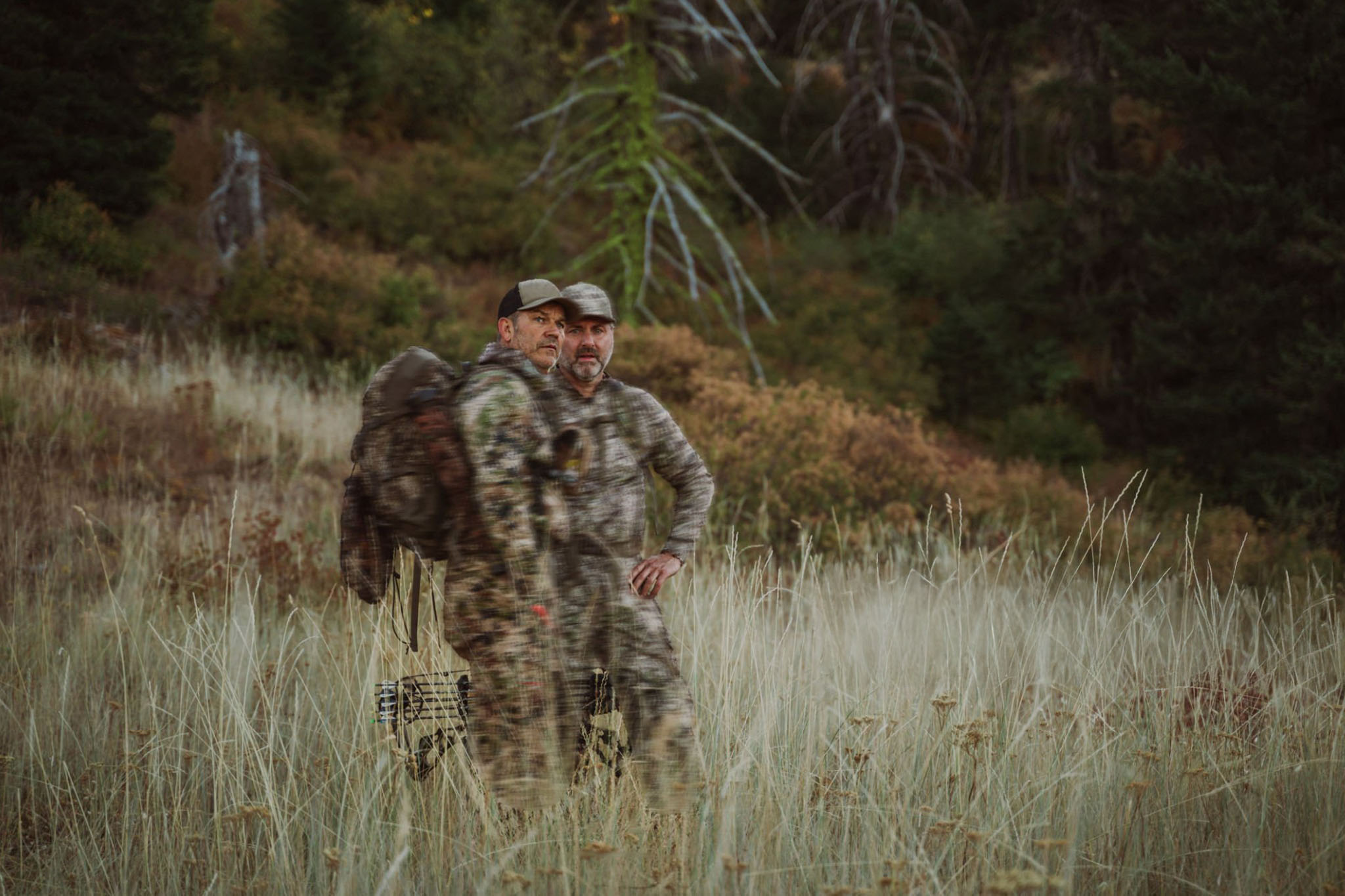
Opening day arrives fast, and every hunter dreams of that perfect first shot—the one that ends months of preparation with a clean, ethical harvest. But the transition from a controlled shooting range to the unpredictable, adrenaline-filled environment of the woods is where many hunters fall short.
Sharpening your shot for the season isn’t just about hitting bullseyes on paper targets. It’s about building real-world shooting confidence, learning how to handle pressure, and practicing the kinds of shots you’ll actually face in the field. If you want to step into the season ready for success, here’s how to take your skills from the range to the woods.
1. Start by Locking in Range Fundamentals
The range is your laboratory. This is where you eliminate bad habits and engrain repeatable mechanics.
- Focus on Consistency, Not Speed: Shoot slow and deliberate groups to build repeatable accuracy.
- Perfect Your Trigger Control or Release: A smooth, steady squeeze prevents flinches and erratic shots.
- Dial in Your Sights or Optics: Confirm zero at your primary hunting distance, then practice at 10–20 yards closer and farther to understand point-of-impact changes.
- Analyze Every Shot: Don’t just look at hits—ask why misses happened and correct the habit.
Pro Tip: Keeping a shooting journal with notes on ammo, distance, and conditions speeds up improvement and gives confidence for the field.
2. Recreate Real Hunting Conditions
The woods rarely offer a flat bench and perfect lighting. Once your fundamentals are solid, start mimicking hunting scenarios.
- Change Your Positions: Practice kneeling, seated, standing, and leaning against trees to prepare for natural rests.
- Shoot With Field Gear On: Heavy jackets, gloves, or a safety harness can change your draw or shoulder mount.
- Practice in Variable Weather: Light rain, wind, or low light will challenge your shot—and prepare you for the real hunt.
- Use Elevated Shots: If you hunt from a treestand, practice shooting from a similar height to understand angle effects.
When the first deer appears, your shot should feel familiar—not like a new challenge.
3. Add Pressure to Your Practice
A calm range session doesn’t replicate the surge of adrenaline when a buck steps into a clearing. Training under mild stress builds confidence when it counts.
- Timed Shots: Give yourself 5–10 seconds to acquire the target and release a shot.
- Heart-Rate Drills: Jog or climb a hill, then shoot to simulate a high-energy encounter.
- Random Distance Shooting: Vary targets without telling yourself the yardage in advance to test quick range estimation.
Learning to stay accurate under pressure is one of the most valuable skills a hunter can develop.
4. Fine-Tune Your Gear for Field Confidence
Your shooting skills and equipment must work together. Use the preseason to make sure every piece of gear is trustworthy.
- Test Hunting Arrows or Loads: Broadheads and hunting rounds can hit differently than practice gear.
- Confirm Your Support Systems: Tripods, bipods, or shooting sticks should be stable and quick to deploy.
- Check for Quietness: Early-season deer are skittish; ensure bows, slings, and rests don’t squeak or rattle.
- Practice With Your Hunting Pack: If you’ll be shooting with gear on your back, include that in training.
The more natural your setup feels now, the more instinctive it will be in the woods.
5. Map Your Field Opportunities
Shooting preparation goes hand-in-hand with understanding your hunting ground.
- Identify Real Shooting Lanes: Know where you’ll have clear, ethical shots from stands or blinds.
- Walk Your Entry and Exit Routes: Minimize disturbance while keeping potential shots in mind.
- Consider Sun and Wind Angles: Lighting and wind can influence both your aim and deer behavior.
By combining shooting skill and field awareness, you dramatically increase your odds on opening day.
6. Build the Mental Game Alongside Your Shot
Even perfect mechanics can collapse if your mind isn’t ready. Combine mental focus with your shooting drills.
- Visualize Success: Picture a deer stepping out, then mentally rehearse a steady shot.
- Control Breathing: Practice calming your heart rate between aiming and pulling the trigger.
- Commit to Your Routine: Confidence comes from repeating a familiar process when adrenaline spikes.
A well-trained mind turns skill into reliable performance when it matters most.
Final Thoughts
Sharpening your shot before opening day is about progression—from perfecting fundamentals at the range, to practicing in real-world scenarios, to integrating mental focus and gear readiness. When you finally step into the woods, every movement and decision should feel second nature.
Hunters who make this transition smoothly don’t just hope for success—they’re prepared to make the shot that counts.
