
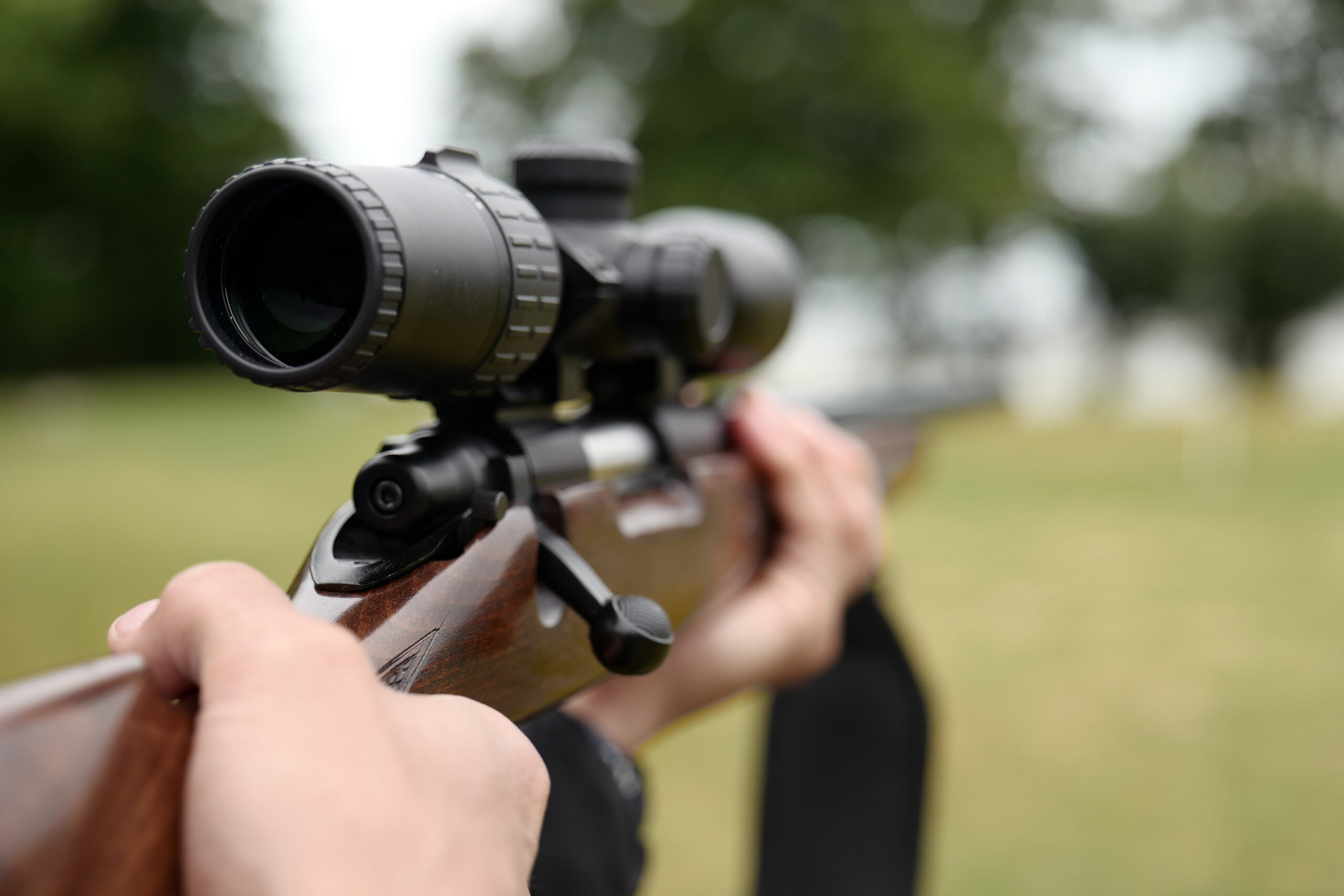
Every hunter knows that the first shot of the season can make or break the months of preparation that came before it. Yet, success in the woods starts long before the sun rises on opening day. It’s built through focused practice, disciplined habits, and field-ready skills that transition seamlessly from the controlled environment of a shooting range to the unpredictable conditions of the outdoors.
Sharpening your shot isn’t just about accuracy—it’s about building confidence, adaptability, and instinctive shooting skills that will hold up under pressure. Here’s how to transform your preseason range time into real-world hunting success.
1. Master the Fundamentals at the Range
The range is your foundation for accuracy and consistency. Before anything else, refine the basic elements of marksmanship.
- Grip and Stance Matter: For rifle or shotgun shooting, ensure a firm, consistent shoulder mount and a stable stance. Archers should focus on a repeatable anchor point.
- Trigger and Release Control: Smooth trigger pulls or bow releases eliminate jerks that throw off accuracy.
- Sight Picture and Breathing: Aligning your sights or pins while managing a calm, steady breath ensures reliable shots.
- Group, Don’t Chase: Shoot three- to five-shot groups rather than chasing individual bullseyes to identify consistent patterns.
Pro Tip: Take detailed notes on your practice sessions—ammo or arrow type, yardage, and conditions—to track performance over time.
2. Add Real-World Complexity to Your Practice
Paper targets and controlled benches rarely reflect field conditions. Late summer is the time to bridge the gap.
- Shoot from Hunting Positions: Practice kneeling, seated, leaning against a tree, or shooting off a backpack.
- Work with Improvised Rests: Fence posts, tree limbs, and shooting sticks mimic the support you’ll have in the woods.
- Change Distances Frequently: Randomize your shots to mimic surprise encounters in the field.
- Incorporate Low Light Conditions: Early mornings and late evenings are prime hunting hours—practice during these times if safe and allowed.
The goal is to prepare for the unexpected—because the field rarely offers perfect conditions.
3. Simulate Hunting Scenarios
Muscle memory and fast decision-making are what separate consistent hunters from frustrated ones.
- Timed Drills: Start from a safe carrying position, shoulder your firearm or draw your bow, and take a shot within 5–10 seconds.
- Short-Distance Walk-Ups: Walk to your shooting spot, identify the target, and fire as if encountering a buck or bird unexpectedly.
- Angle and Elevation Practice: If you hunt from treestands or hills, practice steep upward and downward shots.
Pro Tip: Combine these scenarios into a weekly routine to develop instinctive reactions under realistic conditions.
4. Check Your Gear as You Practice
Preseason practice is the perfect time to ensure your equipment is fully reliable.
- Inspect Optics and Sights: Loose screws or foggy scopes can ruin your first hunt.
- Test Your Ammo or Broadheads: Field points and hunting loads may perform differently; confirm point of impact.
- Verify Your Sling, Quiver, and Rest Setup: Everything should allow quick, comfortable, and quiet movement.
Your shot is only as reliable as the gear supporting it.
5. Condition Yourself for Field Readiness
Shooting in the field isn’t just a physical act—it’s a mental one. The stress of real encounters can shake even experienced hunters.
- Train Your Body: Carry your pack or wear hunting clothes during practice to simulate real conditions.
- Practice Controlled Breathing: Lowering your heart rate after a quick stalk or climb leads to steadier shots.
- Visualize Success: Mental rehearsal builds confidence and helps counter buck fever when the moment comes.
Consistency and calm under pressure turn range skills into field results.
6. Finalize Your Opening-Day Plan
The final step in sharpening your shot is knowing how your preparation translates to your hunting setup.
- Confirm Zero or Pin Settings in Hunting Locations: Conditions like humidity, slope, and light can slightly affect your point of impact.
- Establish Ethical Ranges: Know your limits. Only take shots that your practice has proven reliable.
- Plan Entry and Exit Routes: Avoid crossing potential shooting lanes when heading to your stand or blind.
When opening day arrives, your shot should feel automatic because you’ve rehearsed it in every way imaginable.
Final Thoughts
From range to woods, the path to opening-day success is paved with preparation. By mastering fundamentals, simulating hunting conditions, conditioning yourself mentally and physically, and ensuring your gear is flawless, you build the confidence to make your first shot count.
The difference between a missed opportunity and a clean, ethical harvest often comes down to the work you put in right now. So hit the range, think like a hunter, and step into the season ready to perform when it matters most.
