
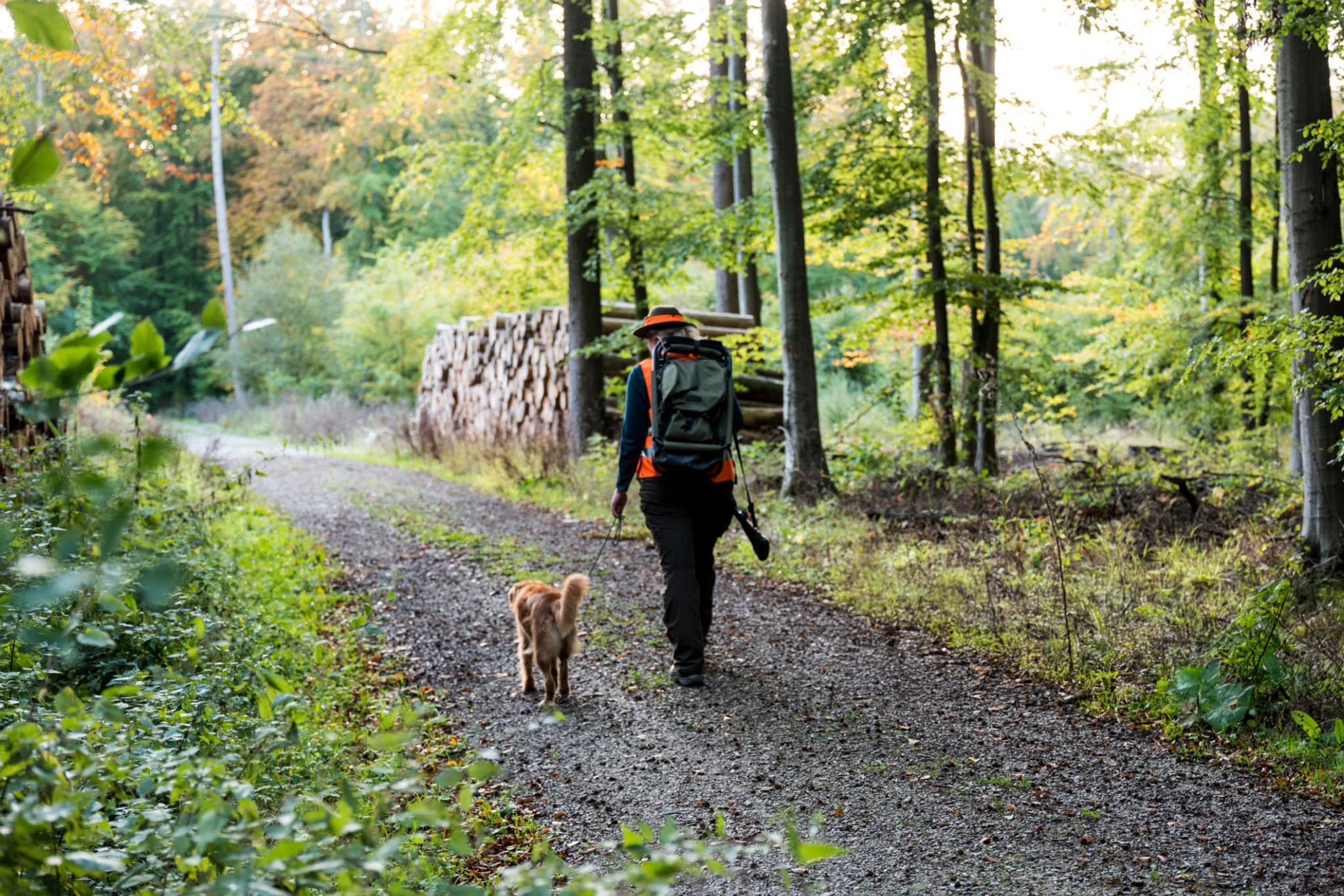
As the final weeks of summer unfold, serious whitetail hunters know that late summer is prime time to locate mature bucks before hunting season opens. During this window, bucks are still in their relaxed summer patterns, often feeding in predictable spots and showing off velvet antlers. With smart scouting techniques and careful planning, you can identify trophy deer now and increase your odds for a successful harvest come fall.
Here’s a comprehensive guide to late summer scouting strategies that will help you spot and pattern mature bucks before the season begins.
Why Late Summer Scouting Is So Effective
Late summer is a unique period in the deer calendar. Bucks are focused on food and comfort, not breeding or evading heavy hunting pressure. Key advantages of scouting this time of year include:
- Predictable Movement Patterns: Bucks are moving between bedding areas and food sources almost like clockwork.
- Visible Antler Growth: Velvet antlers make it easy to identify mature bucks from a distance.
- Less Hunting Pressure: Deer are typically more relaxed because hunting seasons haven’t started yet.
By gathering accurate intel now, you can plan ambush points and stand locations that pay off on opening day.
1. Locate Late Summer Food Sources
Mature bucks spend most of their time near high-quality food in late summer. Understanding what’s available on your property or hunting area is critical.
- Agricultural Fields: Soybeans, alfalfa, and corn are late summer magnets for deer. Watch field edges in the evenings to spot feeding bucks.
- Mast and Natural Browse: Early acorns, persimmons, and soft mast like apples and wild berries attract deer once crops start to dry out.
- Water Sources: Ponds, creeks, and shaded wallows become hotspots in hot weather, especially during drought conditions.
Tip: Use binoculars or a spotting scope to glass feeding areas from a distance without disturbing the deer.
2. Identify Bedding Areas and Travel Corridors
Mature bucks will bed in thick, shaded areas where they can stay cool and safe during the heat of the day.
- Look for dense cover such as cedar thickets, overgrown creek bottoms, and hardwood ridges with heavy understory.
- Travel corridors are often faint but consistent—look for subtle trails leading to feeding areas or water.
- Use topography to your advantage: Ridges, creek beds, and funnels between fields and timber often serve as natural travel routes.
Documenting these patterns helps you pinpoint ambush sites for opening week.
3. Deploy Trail Cameras Strategically
Trail cameras are your best friend for monitoring mature bucks without applying too much pressure.
- Place cameras on edges of fields, trails, or mineral sites to capture natural movement.
- Avoid intruding into core bedding areas; your scent can push a mature buck to a new area before the season starts.
- Use cellular trail cameras if possible, reducing the need for frequent site visits.
Pro Tip: Angle cameras north whenever possible to avoid harsh sun glare during late summer afternoons.
4. Scout from a Distance
The key to late summer scouting is to remain invisible. Use long-range observation techniques:
- Glass field edges from high vantage points during the last two hours of daylight.
- Use spotting scopes and tripods for steady viewing in open terrain.
- Avoid direct entry into bedding cover—mature bucks often tolerate observation from afar but relocate quickly when pressured.
5. Create a Late Summer Scouting Log
Keep detailed notes of your observations to identify repeatable patterns.
- Record time of sightings, wind direction, temperature, and moon phase.
- Map out feeding, bedding, and travel routes to plan future stand or blind locations.
- Compare multiple days of sightings to confirm the buck’s pattern before hunting season.
6. Plan Your Early Season Strategy
Late summer intel is most valuable when translated into a practical hunting plan.
- Set stands or blinds now, giving deer time to acclimate to changes before the season.
- Mark low-impact access routes that keep your scent and noise away from bedding areas.
- Consider weather and wind conditions to choose the perfect first hunt for a targeted buck.
Final Thoughts
Late summer scouting isn’t about immediate action—it’s about patient observation and careful planning. By locating food sources, identifying travel corridors, using trail cameras wisely, and avoiding unnecessary pressure, you can pattern mature bucks and gain the confidence to strike when the season opens.
A quiet summer evening spent glassing velvet bucks from a field edge isn’t just enjoyable—it’s the foundation of a successful fall hunt. The hunters who invest in late summer scouting often hold the best advantage when that first arrow or bullet flies in autumn.
