
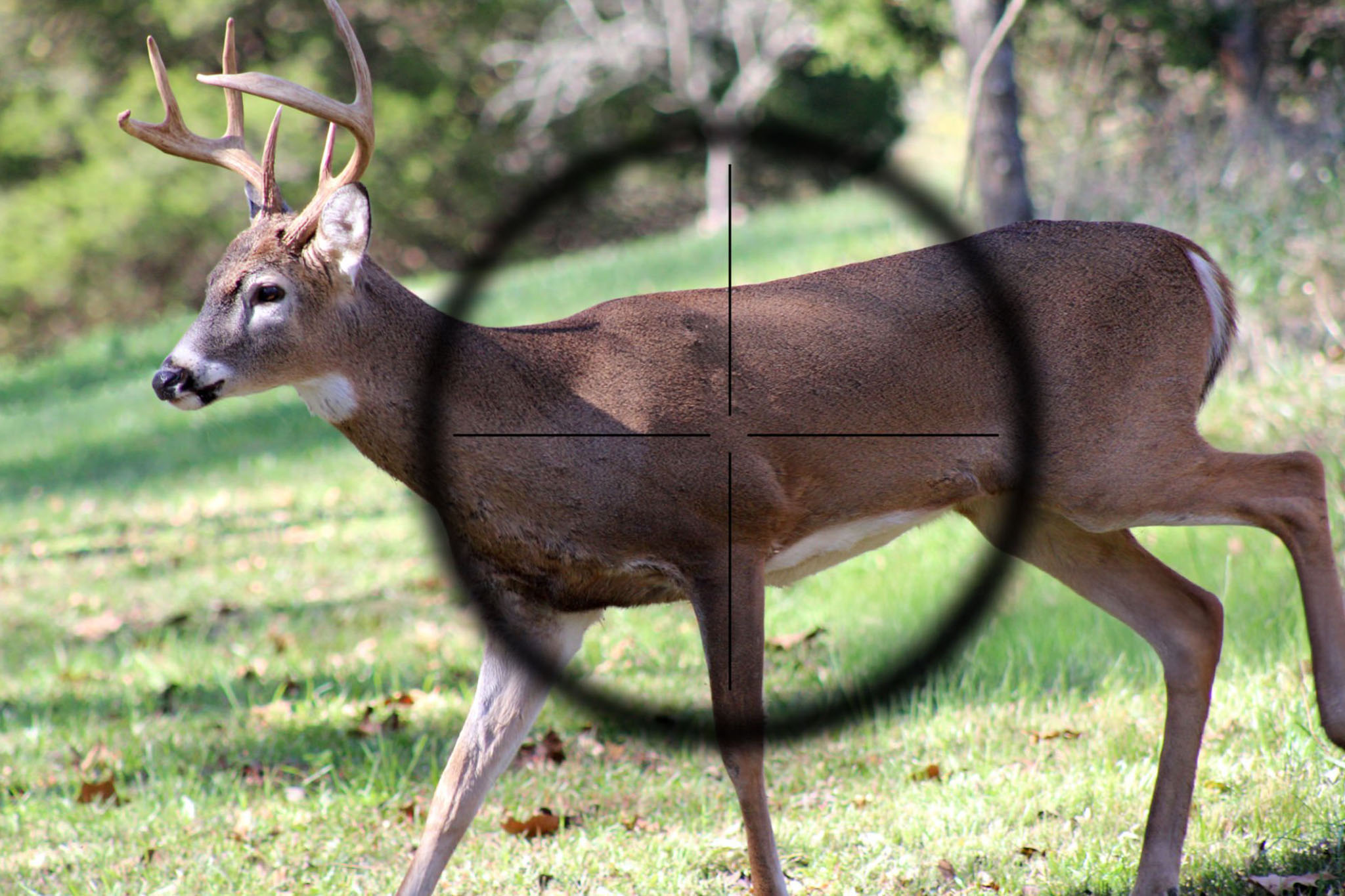
Hunting mature whitetails in summer can feel like trying to solve a mystery hidden under layers of green. Dense foliage, tall weeds, and thick timber make spotting deer almost impossible. Yet, summer is the perfect time to gather intel for fall hunting—if you know how to read deer trails and bedding areas correctly.
Learning to interpret subtle signs in heavy cover can reveal where deer spend their days, how they travel, and where to set up for success come opening day.
Understanding Deer Movement in Summer
During late summer, whitetails follow predictable daily routines:
- Bedding: Most deer bed during the heat of the day in shaded, secure cover.
- Feeding: Bucks and does travel short distances to food sources—bean fields, alfalfa, acorns, or natural browse—often around dusk and dawn.
- Travel Corridors: Deer prefer moving along established trails that connect bedding and feeding areas, especially in areas with natural cover for concealment.
Recognizing these patterns in dense cover requires patience and attention to small details.
1. Identifying Summer Deer Trails
A deer trail may not always look like a perfect path—especially in thick summer growth—but certain signs give them away:
Subtle Ground Wear
- Look for slightly matted vegetation or narrow paths in tall weeds.
- Dry leaves or faintly exposed soil may indicate consistent foot traffic.
Repeated Track Patterns
- Fresh hoof prints in mud, sand, or soft soil confirm active use.
- In summer, smaller fawns may leave lighter tracks that can help you identify family groups.
Browse Indicators
- Nipped twigs, stripped leaves, or broken stems suggest deer are moving and feeding along the trail.
- Fresh browse is usually lighter in color than older growth.
Pro Tip: Use low-angle sunlight in early morning or late evening to spot subtle trails that are invisible under harsh midday light.
2. Locating Bedding Areas in Thick Summer Cover
Bedding areas are where deer spend most of the day, and finding them is critical for planning early-season hunts.
Characteristics of Summer Bedding Sites
- Dense Shade: Bucks prefer areas where they can stay cool during hot afternoons—cedar thickets, dense hardwood understory, or tall switchgrass.
- Multiple Escape Routes: Bedding areas often provide quick exits in multiple directions to avoid predators.
- High Visibility: Deer like vantage points where they can see or smell danger, such as slight rises or downwind slopes.
Physical Signs of Bedding
- Depressed Ovals in Grass or Leaves: Flattened vegetation indicates where deer have laid down repeatedly.
- Scattered Droppings or Shed Hair: These are common in frequently used beds.
- Quiet Surroundings: Deer often choose secluded spots with minimal human disturbance.
Pro Tip: Avoid walking directly into bedding areas during summer unless scouting from the edges. Disturbing a mature buck’s core bedding site can push him to a new, harder-to-hunt location.
3. Connecting Bedding Areas to Trails and Feeding Zones
Understanding how deer move between bedding and feeding areas allows you to predict their patterns.
- Look for Funnel Trails: Trails often run along ridges, creek bottoms, or brushy fence lines that offer concealment.
- Identify Primary and Secondary Trails: Primary trails show consistent use, while secondary trails often branch toward specific food sources.
- Trail Intersection Analysis: Cross-trails in heavy cover often indicate high-traffic movement areas—prime spots for future stands or trail cameras.
4. Using Minimal Impact Scouting
Heavy cover requires careful scouting to avoid alerting deer:
- Scout Midday: Deer are often bedded, and your scent disperses better in warm, rising thermals.
- Wear Scent-Control Clothing: Summer air carries human scent easily; reducing odor helps avoid educating mature bucks.
- Use Optics Instead of Foot Traffic: Glassing edges of cover from a distance is safer than walking into a bedding area repeatedly.
5. Putting It All Together for Hunting Success
By carefully reading deer trails and bedding areas in thick summer cover, you gain an advantage for early fall hunting:
- Map trails, bedding areas, and feeding zones to understand deer movement.
- Mark potential stand or blind locations downwind of travel corridors.
- Place trail cameras on edges or pinch points to verify patterns without pushing deer.
When the season opens, you’ll already know where mature bucks spend their time and how they travel—giving you the confidence to make your first hunts count.
Final Thoughts
Summer scouting in thick cover is a game of observation, patience, and stealth. Learning to read deer trails and identify bedding areas turns a seemingly impenetrable green jungle into a map of movement and opportunity. Hunters who master these skills are rarely surprised come fall—they already know where the big bucks live.
