
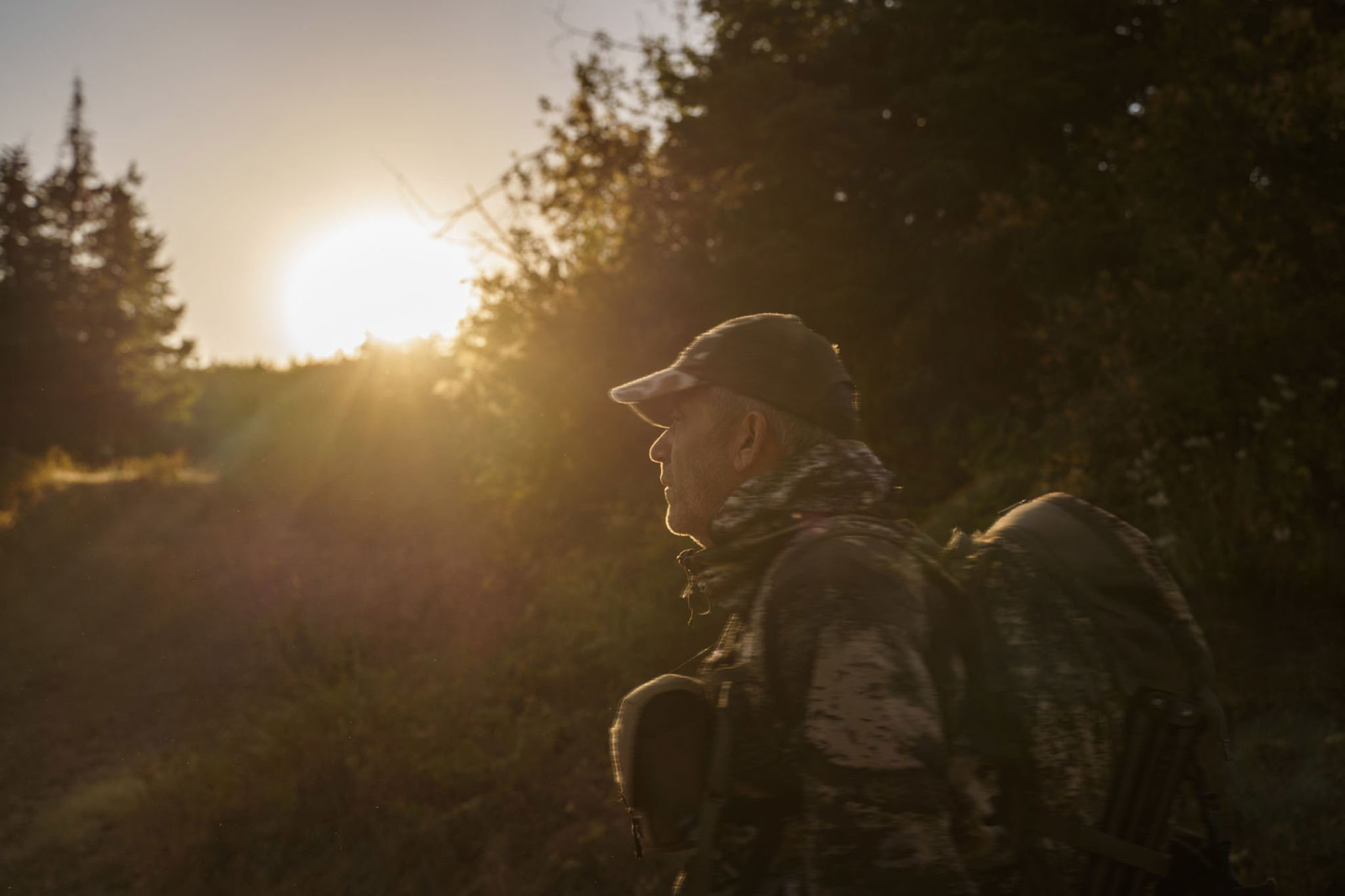
As summer winds down and hunting season creeps closer, serious hunters know that the real preparation happens long before the first day in the stand. Late summer is prime time for scouting—when the bucks are still on predictable patterns, bachelor groups roam the fields, and fresh sign is easier to read. If you want to tag a trophy buck this season, your success starts with careful, strategic late-summer scouting.
In this guide, we’ll break down proven methods for spotting mature bucks before opening day, from choosing the right locations to reading deer behavior like a pro.
1. Understand Late-Summer Deer Behavior
In late summer, whitetails are still in their relaxed, pre-hunting-season routines. Bucks usually travel in bachelor groups, feeding heavily to pack on weight before fall. Their priorities are simple: food, water, and comfort. Key behaviors to keep in mind:
- Evening Feeding Patterns: Bucks often leave bedding areas in the late afternoon to hit food sources such as soybean fields, alfalfa, or clover.
- Morning Returns: At first light, they move back to shaded bedding areas, often using the same trails repeatedly.
- Velvet Antlers & Predictability: Until the velvet sheds and testosterone spikes, bucks are more tolerant of patterns, making this the ideal time to identify future stand locations.
By knowing what drives them in August, you can predict where they’ll show up when hunting season opens.
2. Scout From a Distance
Late summer is not the time to tromp through the woods leaving human scent behind. Instead, focus on long-range observation to avoid alerting mature bucks.
- Glassing Fields at Dusk: Set up on a high vantage point or park a truck at a field edge with binoculars or a spotting scope. Watch the deer filter into food plots and crop fields during the last hour of daylight.
- Use Quality Optics: A good pair of 10x binoculars or a 20-60x spotting scope can help you spot antler tips in tall beans or grass without ever leaving the road.
- Record Patterns: Take notes or mark GPS pins of where bucks enter and exit the fields. This data will be gold when planning your opening-day setup.
3. Leverage Trail Cameras Wisely
Trail cameras are your best friend for late-summer scouting—but placement and timing are key.
- Focus on Entry and Exit Routes: Place cameras on trails leading from bedding areas to evening food sources. Avoid hanging cameras deep in bedding areas to prevent bumping deer.
- Check Cameras Sparingly: Once every 2–3 weeks is enough. Minimize intrusion to keep deer unpressured.
- Cellular Cameras for Low Impact: If budget allows, use cellular trail cams so you can monitor movement without stepping foot in the woods.
Over a few weeks, you’ll start to identify which bucks are consistent and which are just passing through.
4. Find the Right Food and Water Sources
In August and early September, food and water dictate deer movement. Pay special attention to:
- Green Soybeans and Clover Fields: Late summer bucks love soft green vegetation before the acorns drop.
- Alfalfa and Hay Fields: Great for evening glassing, especially for bachelor groups.
- Waterholes and Creeks: On hot summer days, water sources can be reliable spots to catch movement.
If you hunt in agricultural areas, coordinate your scouting with the crop stages. Once beans turn yellow or corn is cut, movement can shift quickly.
5. Prepare Stand Locations Without Pressure
Late-summer scouting isn’t just about spotting bucks—it’s about setting yourself up for the first successful hunt.
- Hang Stands Early: Set up tree stands or saddle setups during mid-to-late August so deer can acclimate to any changes.
- Clear Quiet Entry Routes: Trim branches, cut quiet paths, and plan your wind-friendly approach to avoid spooking deer on opening day.
- Stay Scent-Free: Wear rubber boots and gloves when checking cameras or setting stands to reduce human scent around high-traffic areas.
6. Combine Scouting With Weather and Wind Data
If you really want to pattern a big buck, study how wind and weather influence his movement:
- Prevailing Winds: Note which trails bucks use on different wind directions. They often choose routes that let them scent-check the area safely.
- Weather Shifts: Watch for cooler evenings or passing fronts—bucks may move earlier under better conditions.
- Moon and Sunset Timing: Late-summer daylight activity peaks in the last 45 minutes of light, but slight weather changes can push movement earlier.
Final Thoughts: Patience Pays Off
Late-summer scouting is a game of patience and precision. The goal isn’t to hunt—yet—but to gather enough information to make your first sit in the stand count. By glassing from afar, using trail cameras smartly, and preparing low-impact setups, you increase your odds of catching that big velvet buck stepping out when the season opens.
Remember: The more disciplined your scouting now, the less luck you’ll need later.
So grab your binoculars, hit the backroads, and start patterning those late-summer giants—you’ll thank yourself when your tag wraps around a heavy antlered buck this fall.
