
If you’re getting into archery hunting—or thinking about making the switch—one of the biggest decisions you’ll face is whether to go with a crossbow or a compound bow. Both tools are legal in many states during archery season, both are deadly in capable hands, and both have passionate supporters. But they’re not created equal.
In this guide, we’ll break down the key differences, advantages, drawbacks, and hunting considerations to help you make the right call—based on how you hunt, not just what’s trending.
1. The Basics: How They Work
Crossbow
A crossbow is essentially a horizontal bow mounted on a stock, resembling a firearm. It uses a trigger to release the bolt (short arrow) and remains cocked until fired. You can shoulder it like a rifle, and many models have scopes.
Quick facts:
- Shoots bolts (shorter and heavier than arrows)
- Typically fires at 300–450 fps
- Comes pre-drawn and locked, requiring no draw strength at the moment of the shot
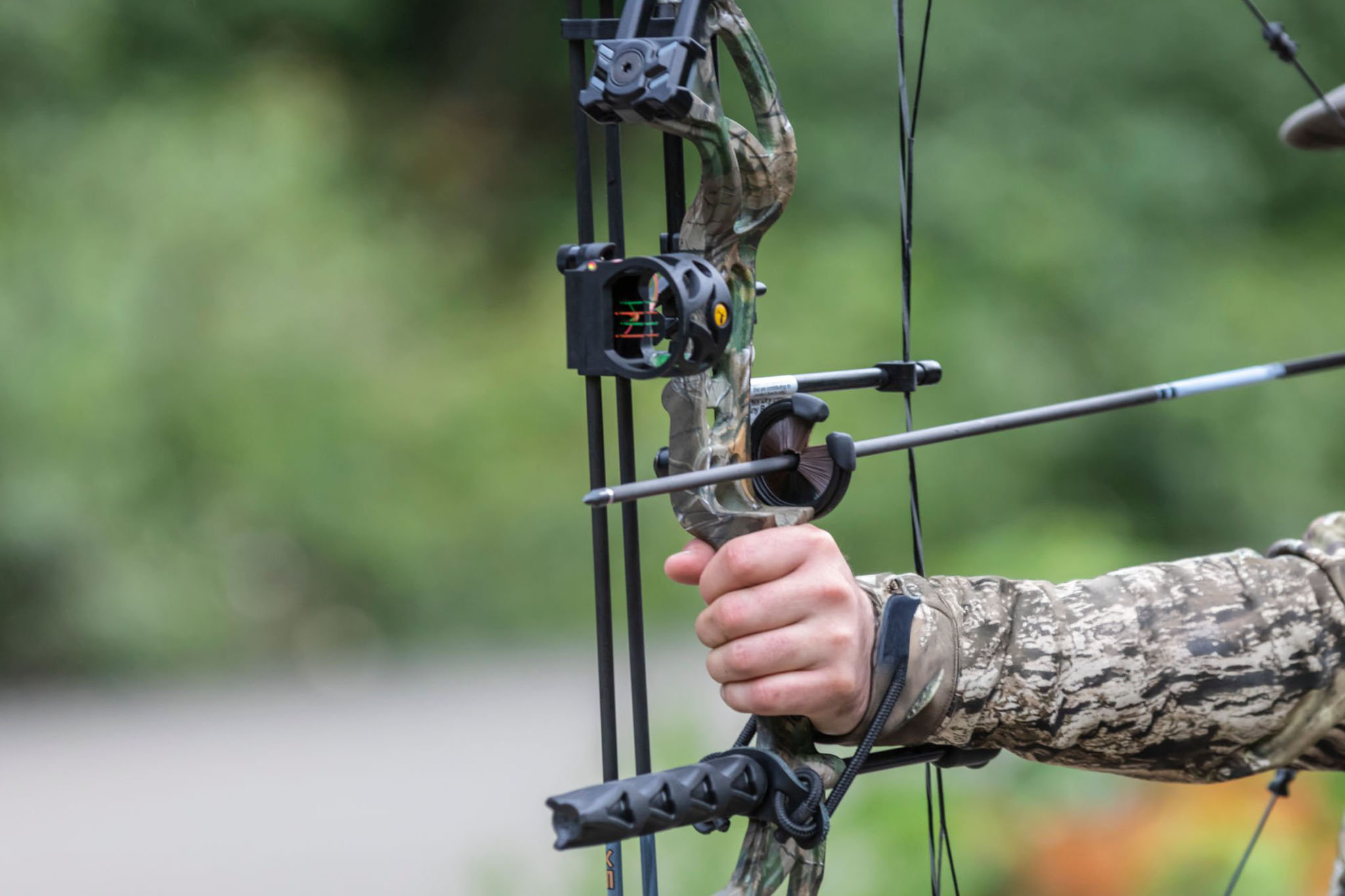
Compound Bow
A vertical bow with a system of cams and pulleys that reduce holding weight at full draw. Requires physical draw and anchor before shooting, with release typically handled by a mechanical release aid.
Quick facts:
- Shoots standard arrows
- Faster than traditional bows but generally slower than crossbows
- Requires holding at full draw during aiming
2. Ease of Use
Crossbow Wins for Beginners.
The learning curve is much shorter. Since it’s pre-cocked and shot from a supported position (like a rifle), it’s ideal for hunters with limited experience, mobility issues, or physical limitations. If you’re a firearm hunter crossing over, the feel will be familiar.
Compound Requires More Skill.
Shooting a compound bow well takes practice. From developing a consistent anchor point to managing draw weight and holding steady at full draw—it demands physical conditioning and repetition. But with time, many hunters find it deeply rewarding.
3. Hunting Scenarios
Crossbow Pros:
- Longer range: Effective out to 50–60 yards (some push to 80 with premium gear)
- Low-movement: Great for tight blinds or hunting pressured deer that bust easily
- More forgiving in bad weather: You can sit cocked and ready, minimizing movement when a shot opportunity arises
Compound Pros:
- Quieter shot: Less mechanical noise upon release
- Lighter and more maneuverable: Easier to carry deep into public land or steep terrain
- Challenge + Reward: Many bowhunters love the primal feel of drawing on a deer at 20 yards—there’s nothing like it
4. State Regulations
Heads up:
Some states treat crossbows differently during archery season. In places like Pennsylvania and Wisconsin, crossbows are legal for all hunters during archery season. In others, they’re restricted to specific dates or require a disability permit.
Always check your local game laws before investing in gear.
5. Maintenance & Durability
Crossbow
- More moving parts = more potential for mechanical issues
- Heavier to carry
- Strings/cables can be harder to replace at home
Compound Bow
- Simpler to maintain in the field with the right tools
- Easier to restring (if you’re handy or visit a pro shop)
- Lighter and generally more rugged for long treks
6. Price & Gear Loadout
- Crossbows tend to be pricier upfront for quality models ($500–$1,500+)
- Compounds range widely ($300–$1,200), but may require more accessories (sights, rests, stabilizers, etc.)
If you’re hunting with a crossbow, expect to carry extra bolts, a cocking rope or crank, and sometimes a shooting stick. Compound bowhunters carry arrows, releases, and sometimes tuning tools—but the gear load can be lighter.
7. Ethical Considerations
Some traditional bowhunters argue that crossbows offer too much advantage, blurring the line between archery and firearm hunting. Others counter that more hunters in the woods—especially with ethical, lethal tools—is better for conservation.
Our take?
Ethical hunting comes down to shot placement, range judgment, and restraint—regardless of weapon choice.
Bottom Line: Which Is Right for You?
| Hunter Profile | Best Option |
|---|---|
| New to bowhunting / transitioning from firearms | Crossbow |
| Physically limited / shoulder issues | Crossbow |
| Public land minimalist | Compound bow |
| Looking for a challenge & tradition | Compound bow |
| You want more range and precision | Crossbow |
| You want quieter, more active hunting | Compound bow |
Final Thoughts
Choosing between a crossbow and a compound bow isn’t just about stats—it’s about your hunting style, physical ability, and how much time you’re willing to put into the craft. One isn’t “better” than the other—they’re just different tools for different hunters.
Whatever you choose, get familiar with your weapon, practice often, and hunt ethically. That’s the winning combo every time.
