
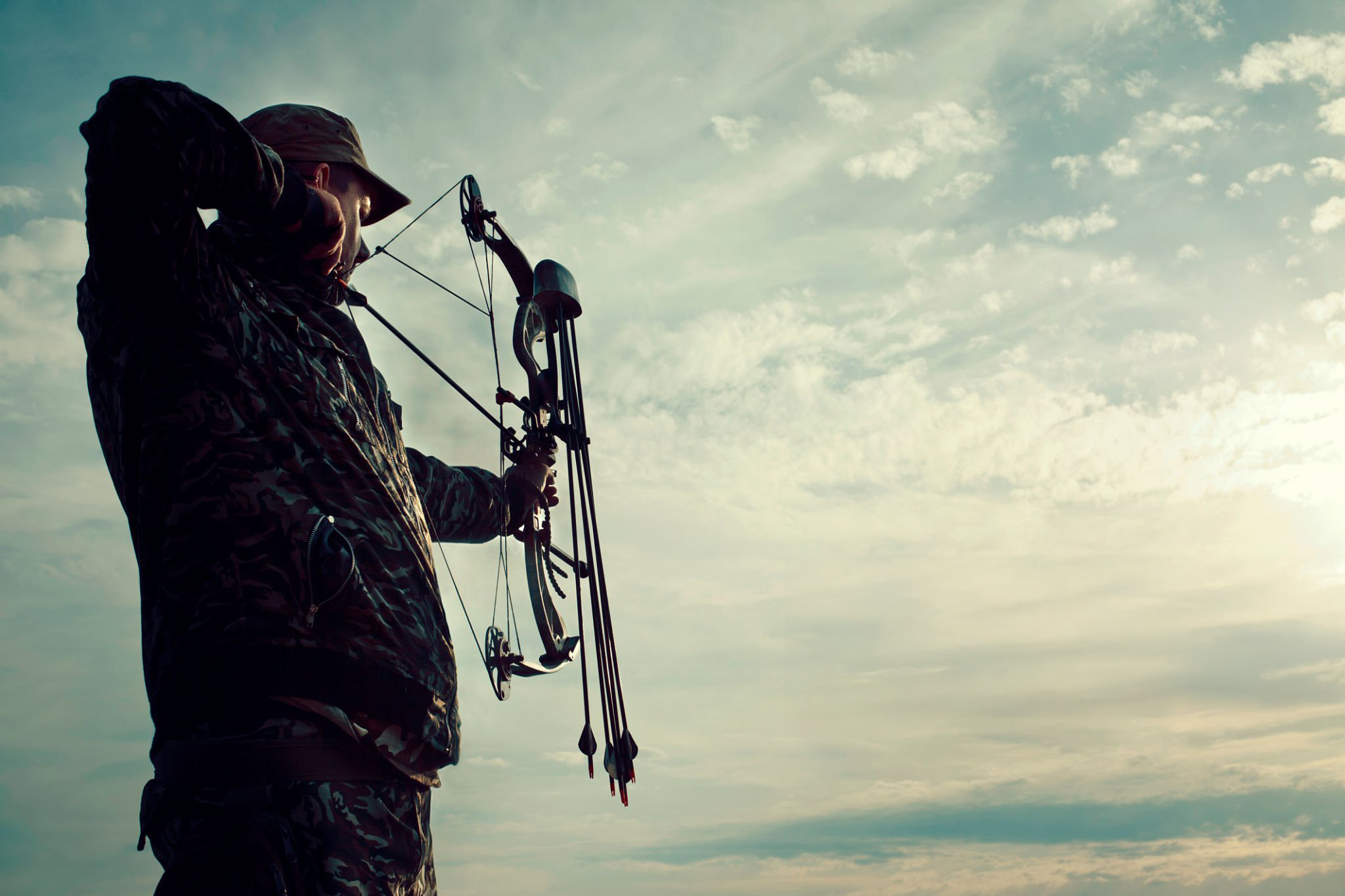
For die-hard bowhunters, there’s nothing quite like the anticipation of opening day. The early season offers a unique window of opportunity—bucks are still in their summer patterns, the woods are quiet, and pressure is light. But make no mistake: early season bowhunting brings its own challenges. Warm temperatures, dense foliage, and unpredictable deer movement can make it tough to seal the deal.
If you’re looking to tag out early and beat the October lull, here are proven tactics that consistently put bowhunters in the red zone.
1. Capitalize on Predictable Feeding Patterns
During the early season, whitetails are creatures of habit. Bucks are often on a strict bed-to-feed routine, hitting food sources like soybeans, clover, alfalfa, or even freshly cut hayfields. Your job is to intercept them without tipping them off.
Tactics:
- Glass the field edges in the evening. Use binoculars or spotting scopes from a distance to observe patterns without spooking deer.
- Hang stands on entry trails. Set up just inside the woods where deer enter fields. Avoid setting up directly on the food source.
- Hunt the wind religiously. One wrong wind can blow the whole pattern.
2. Use Trail Cameras (But Use Them Smart)
Trail cameras are a bowhunter’s best friend in the early season, but over-checking them can do more harm than good.
Tactics:
- Run cameras on trails, mineral sites, and scrapes. Even in early September, some bucks start hitting community scrapes.
- Use cell cameras if possible. They reduce your scent footprint and let you monitor deer in real time.
- Only check standard cams mid-day. That’s when deer movement is lowest, minimizing your risk of bumping deer.
3. Stay Mobile and Adapt
Deer patterns change fast in the early season. A hot food source one week can go cold the next, especially as acorns begin to drop or crop fields get harvested.
Tactics:
- Use a mobile setup. Lightweight hang-on or saddle setups allow you to adapt on the fly.
- Scout with boots on the ground. Fresh tracks, droppings, and rubs can lead you to the action.
- Don’t overhunt one spot. Burning out a stand early can ruin it for the rest of the season.
4. Beat the Heat with Evening Hunts
Mornings in the early season can be risky. Deer are often already back in their beds before legal light, and entering bedding areas can do long-term damage.
Tactics:
- Focus on evening sits. Bucks are more killable as they head toward food during the last hour of light.
- Don’t get too aggressive too early. Wait for cold fronts, the right wind, or a pattern you can count on.
- Hydrate and stay cool. Early season temps can soar—wear lightweight, breathable camo and manage your scent.
5. Use Mock Scrapes to Your Advantage
While the rut may still be weeks away, deer begin communicating through scrapes in early fall. A well-placed mock scrape can serve as both an attractant and an inventory tool.
Tactics:
- Make your scrape near a natural trail or staging area.
- Use synthetic deer scent. Products like Tink’s or Code Blue can draw curious bucks in.
- Hang a camera over it. Scrapes become social hubs—great for catching multiple bucks on one setup.
6. Pay Attention to Cold Fronts and Moon Phases
Deer movement in early season tends to spike with even a slight drop in temperature. A well-timed cold front can be the key to daylight movement.
Tactics:
- Watch the weather. A 5–10° drop in temps, along with a high-pressure system, is prime.
- Plan hunts around rising moon phases. Many hunters believe bucks move more during daylight with a rising evening moon.
- Be ready to strike. Have your gear prepped and stands set before that front hits.
7. Scent Control Is Non-Negotiable
In hot weather, your scent footprint is amplified. A buck’s nose doesn’t care how hard you worked to get in position—if he smells you, it’s game over.
Tactics:
- Wash gear in scent-free detergent.
- Shower before every hunt (when possible) with scent-free soap.
- Use ozone or scent-eliminating sprays religiously.
- Play the wind, and then some. Always have an exit strategy that keeps your scent out of key bedding or food areas.
8. Know When to Strike and When to Wait
It’s tempting to go all-in early season, but patience is part of the game. If you know a big buck is hitting a spot, don’t rush in unless the conditions are perfect.
Tactics:
- Wait for the right wind, barometric pressure, and moon phase.
- Let trail cam data build a pattern.
- Don’t force it. Sometimes, holding off one or two days leads to a clean, confident shot instead of a blown opportunity.
Final Thoughts
Early season bowhunting is all about precision, patience, and discipline. The deer are more predictable, but the conditions are tough. Success often hinges on subtle clues: a trail camera photo, a shift in the wind, or a single cool evening after a string of hot days.
Get your gear dialed in, pattern your deer carefully, and be ready to move when the moment is right. When it all comes together and you arrow a buck in velvet or early fall slick coat, the reward is more than worth the grind.
Happy hunting—and shoot straight!
