
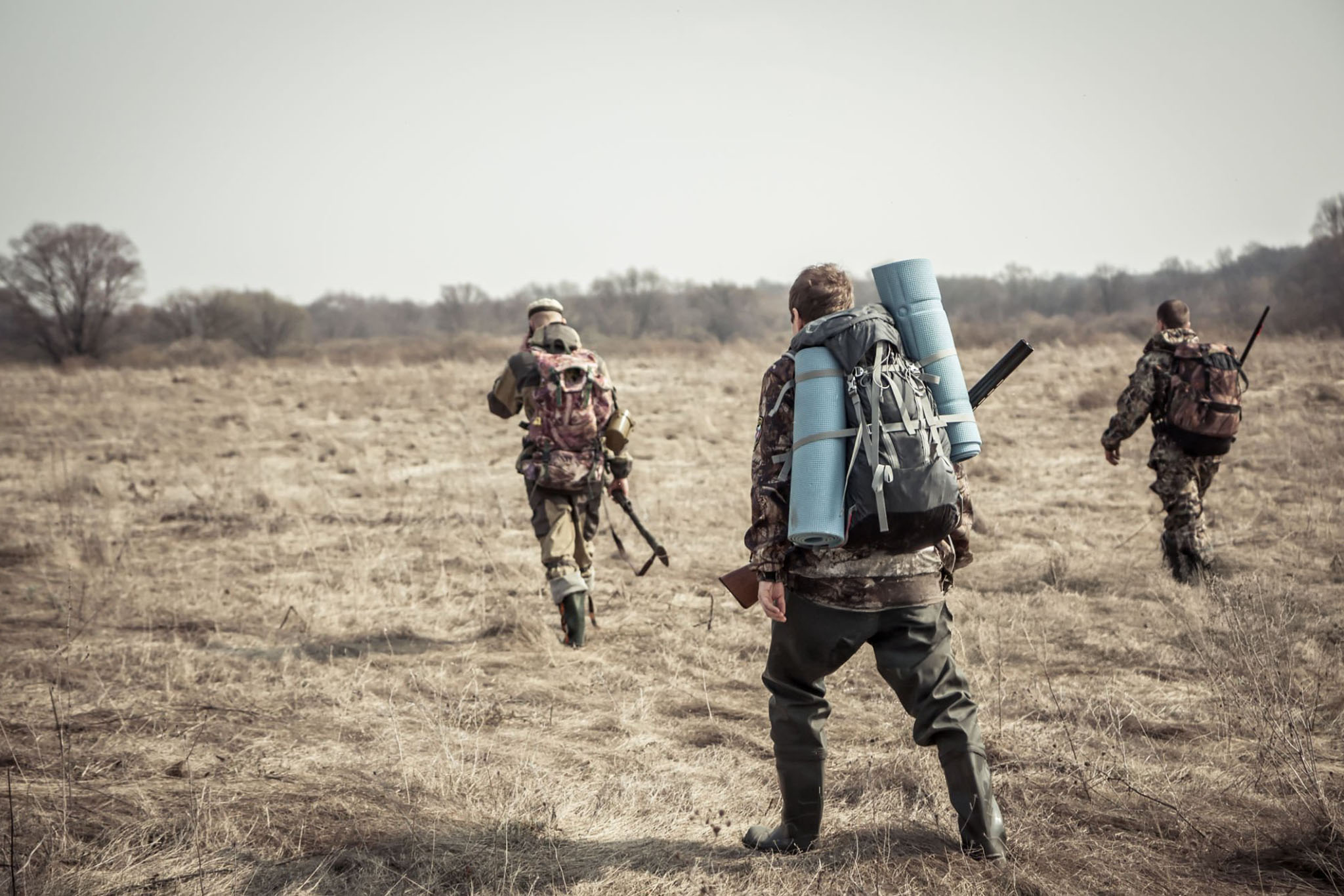
When it comes to successful hunting, preparation is everything. Your rifle or bow might be dialed in, your camo might be perfect, but if your pack isn’t ready for what the season (or the backcountry) throws your way, you could be in for a long, frustrating hunt. Whether you’re chasing whitetails in the Midwest, elk in the Rockies, or turkey in the South, having a thoughtfully packed hunting bag is non-negotiable.
Over the years, I’ve refined my gear list to cover the essentials for every season—spring gobblers, early fall archery, cold-weather rifle hunts, and even late-season trudges through snow. Below, I’m breaking down what’s in my hunting pack year-round, with seasonal tweaks that have made all the difference.
🧰 The Core Kit: Year-Round Essentials
These items never leave my pack—no matter the game or time of year:
1. Knife & Sharpener
Whether it’s gutting a deer or cutting cordage, a reliable fixed-blade knife is a must. I carry a Havalon with replaceable blades for detail work and a heavier-duty buck knife for tougher jobs. Don’t forget a compact sharpener or spare blades.
2. Headlamp + Extra Batteries
A bright, hands-free light source is crucial for pre-dawn hikes in and post-sunset hikes out. I always pack a backup set of lithium batteries—they hold charge better in cold temps.
3. Map, Compass & GPS
Yes, I use OnX or HuntStand on my phone, but I always bring a paper map and compass as a backup. Batteries die. Satellites glitch. Old-school navigation still works.
4. First Aid Kit
A lightweight but legit kit—not just a few Band-Aids. Mine includes trauma shears, gauze, a tourniquet, antihistamines, ibuprofen, and blister care.
5. Game Bags
If I’m hunting big game, I carry breathable, scent-free game bags. They’re essential for clean, cool meat transport—especially in early-season heat.
6. Paracord
At least 25 feet. I’ve used it to hang quarters, rig shelters, drag deer, and once—to retrieve my hat from a tree limb (don’t ask).
7. Multi-tool
Because you never know what you’ll need to fix—especially in remote areas. A solid Leatherman has saved my hunt more than once.
8. Water & Filtration
I use a bladder system for easy sipping on the go and always pack a Sawyer Mini or LifeStraw in case I need to refill from a creek or pond.
9. Snacks
High-calorie, protein-heavy fuel. Think jerky, trail mix, energy bars, and peanut butter packets. Don’t forget the caffeine if you’re out before dawn.
10. Wind Checker
A squeeze bottle of unscented powder keeps me dialed in on thermals and shifting winds—especially crucial when bowhunting.
🦃 Spring: Gobbler Season Add-ons
Spring hunts mean warmer temps and mobile calling setups. Here’s what I add:
- Turkey Calls – Slate, box, and diaphragm calls. I carry at least two types.
- Decoys – Collapsible hen and jake decoys go in an exterior pouch.
- Tick Repellent – Essential in brushy areas. I treat clothing with permethrin and carry a small spray.
- Rain Gear – Showers can pop up fast in spring. A lightweight poncho or packable rain shell is key.
🍂 Early Fall: Archery Hunts
This is when I’m going deep and light.
- Rangefinder – Archery range estimation has no room for error.
- Scent Control Wipes & Spray – I don’t go overboard, but quick scent wipes can help when you’ve hiked in hard.
- Climbing Harness & Linesman Rope – If I’m using a hang-on or saddle setup.
- Elk Calls (Western hunts) – Bugle tube and reeds stay clipped to the side of the pack.
❄️ Late Fall/Winter: Cold-Weather Big Game Hunts
This is where the pack gets heavier—but every item earns its place.
- Insulated Sit Pad or Blanket – Sitting on frozen ground or a metal stand will freeze your soul. Trust me.
- Hand & Foot Warmers – I toss a few into my boots and gloves while glassing or waiting.
- Heavy-Duty Gloves – For glassing, gutting, or just keeping warm.
- Extra Layers (Base & Mid) – Packed in a dry bag to stay compressed and dry.
- Thermos – Hot coffee or broth goes a long way in sub-freezing temps.
🔁 Rotating Extras Based on Hunt
Depending on the style of hunt, I might swap or add:
- Binoculars & Harness – For spot-and-stalk or open-country hunting.
- Shooting Sticks – Especially useful on Western mule deer or antelope hunts.
- Tag/License Holder – I keep this in a waterproof sleeve near the top of my pack.
- Kill Kit – Zip ties, nitrile gloves, wipes, and license notcher.
🎯 Pack Tips to Keep in Mind
- Keep it organized: Use zip bags or colored pouches to separate first aid, fire-starting, snacks, etc.
- Know the weight: A fully loaded day pack should ideally be under 25 lbs.
- Stay scent-conscious: Keep gear in a scent-free tote or ozone bag before the hunt.
- Check your gear monthly: Batteries leak. Snacks expire. Mice chew. Trust me.
Final Thoughts
Your hunting pack isn’t just a bag—it’s your lifeline, your toolkit, your insurance policy, and your secret weapon all rolled into one. Each item should earn its place and be customized to your hunting style, terrain, and species.
Packing right doesn’t guarantee a filled tag—but it does guarantee you’re ready when the moment of truth arrives.
So, what’s in your pack?
