
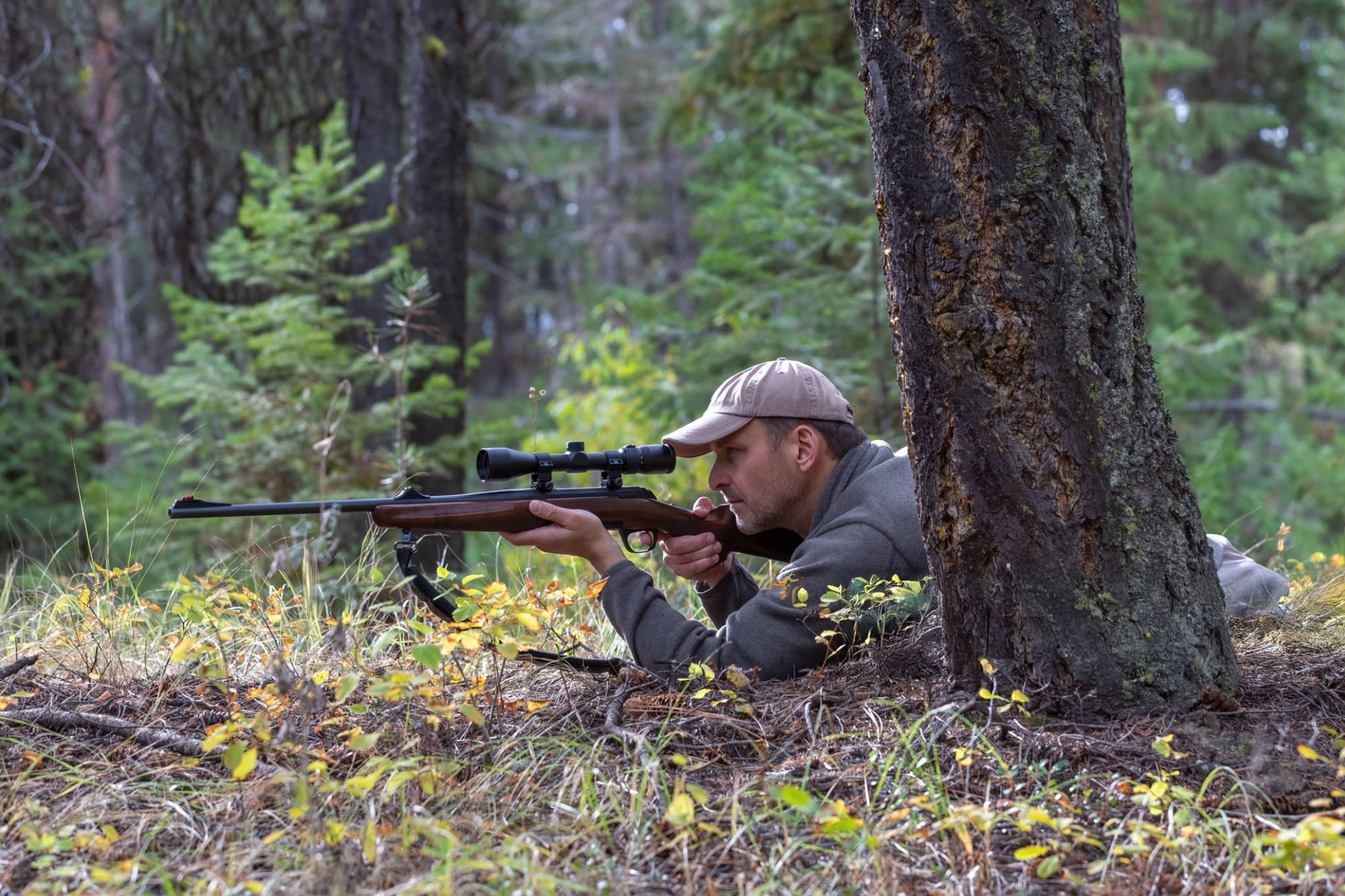
In a world obsessed with speed and high-tech gear, still hunting is the art of slowing down, tuning in, and becoming invisible in the woods. It’s one of the oldest hunting techniques—rooted in patience, silence, and a deep understanding of the wild. If you’re serious about harvesting mature game, still hunting might just be the smartest move you can make.
What Is Still Hunting?
Contrary to what the name suggests, still hunting doesn’t mean sitting still in a blind or treestand. It’s the practice of moving slowly—very slowly—through the woods, actively scanning for game, listening for movement, and looking for signs like fresh tracks, scat, or broken branches. Every step is intentional. Every pause is strategic.
Still hunting is about becoming part of the woods rather than just being in it. It’s how Native Americans hunted. It’s how early settlers put meat on the table. And it’s how modern hunters can up their chances of spotting elusive, mature bucks, wary turkeys, or even bear in thick cover.
Why Slowing Down Works
Big game animals like whitetail deer, elk, or black bears didn’t grow old by being careless. They’re masters of detecting movement, especially unnatural or fast movement. When you slow down:
- You see more: Rushing through the woods guarantees you’ll miss crucial signs—a flick of an ear, a horizontal shape that doesn’t quite fit, or fresh scrapes and rubs.
- You make less noise: Every step you take can alert nearby animals. Moving slowly allows you to step deliberately, avoid crunching twigs, and blend in.
- You give yourself time to think: Still hunting isn’t just physical—it’s a mental game. The slower you go, the more time you have to read the woods, plan your route, and decide when to pause or proceed.
Gear Tips for Still Hunting
Still hunting demands specific gear setups to keep you mobile yet prepared. Here’s what works:
- Quiet clothing: Leave the noisy nylon and velcro at home. Opt for soft, quiet fabrics like fleece or wool. Camo should match your terrain.
- Comfortable, waterproof boots: You’ll be on your feet for hours. Invest in quality hunting boots with excellent grip and ankle support. Bonus if they’re scent-controlled.
- Binoculars: Since you’ll stop often, having a good pair of lightweight binos helps you glass the terrain from cover without moving.
- Minimal pack: Bring only essentials—knife, tags, water, snacks, and basic first aid. A heavy pack just gets in the way.
- Rifle or bow ready: You might only get one shot. Be ready. Keep your weapon in a carry position that allows fast and quiet shouldering.
Key Techniques to Master Still Hunting
1. Step, Stop, Look, Listen
The golden rule: move only when you’re sure it’s safe. Walk slowly—maybe just a few steps every minute—then stop and scan. Use your ears as much as your eyes. Let the forest settle before moving again.
2. Use the Terrain
Still hunting isn’t about walking in a straight line. Use ridges, brush, and fallen trees to break up your silhouette. Approach from above if possible, and always use the wind to your advantage.
3. Work Into the Wind
Animals rely heavily on scent. If you’re downwind, they’ll smell you before they see or hear you. Always move into or across the wind. Consider using natural cover scents or scent-eliminating sprays.
4. Read the Woods
Look for fresh sign: hoof prints, scat, rubs, scrapes, or beds. Learn to differentiate between old and fresh sign. Still hunting is often about following subtle patterns in the landscape.
Best Conditions for Still Hunting
Still hunting shines in certain weather and terrain:
- Wet, damp days: Wet leaves and soft soil help you move quietly.
- Windy days: Wind masks your sound and movement. Use gusts to cover your steps.
- Snow: Tracks become easier to read, and animals are more visible against a white background.
- Thick cover: Great for stalking deer or bear in forests or brushy terrain where animals feel secure but visibility is low.
Common Mistakes to Avoid
- Moving too fast: If you’re breaking a sweat or covering miles per hour, you’re doing it wrong.
- Lack of focus: Still hunting takes full mental engagement. Don’t zone out—stay alert.
- Ignoring the wind: This is the #1 way to blow a stalk.
- Overpacking: Leave the kitchen sink at home. Every added item is added noise and weight.
Why It’s Worth Learning
Still hunting is hard. It takes patience, woodsmanship, and practice. But for many hunters, it’s the most rewarding way to hunt. When you finally spot a buck at 40 yards that has no clue you’re there—it’s electric.
You’ll not only become a better hunter, but a better woodsman. You’ll learn to move like a predator, think like your prey, and experience the wild in a way few ever do.
Final Thoughts
Still hunting isn’t for the lazy or the impatient. It’s for those who want to connect deeply with the land, who believe the hunt isn’t just about the harvest but the process. Slowing down doesn’t just help you take bigger game—it helps you appreciate the hunt itself.
So next time you head into the woods, try putting the treestand aside. Slow down. Be quiet. And let the forest reveal its secrets.
