
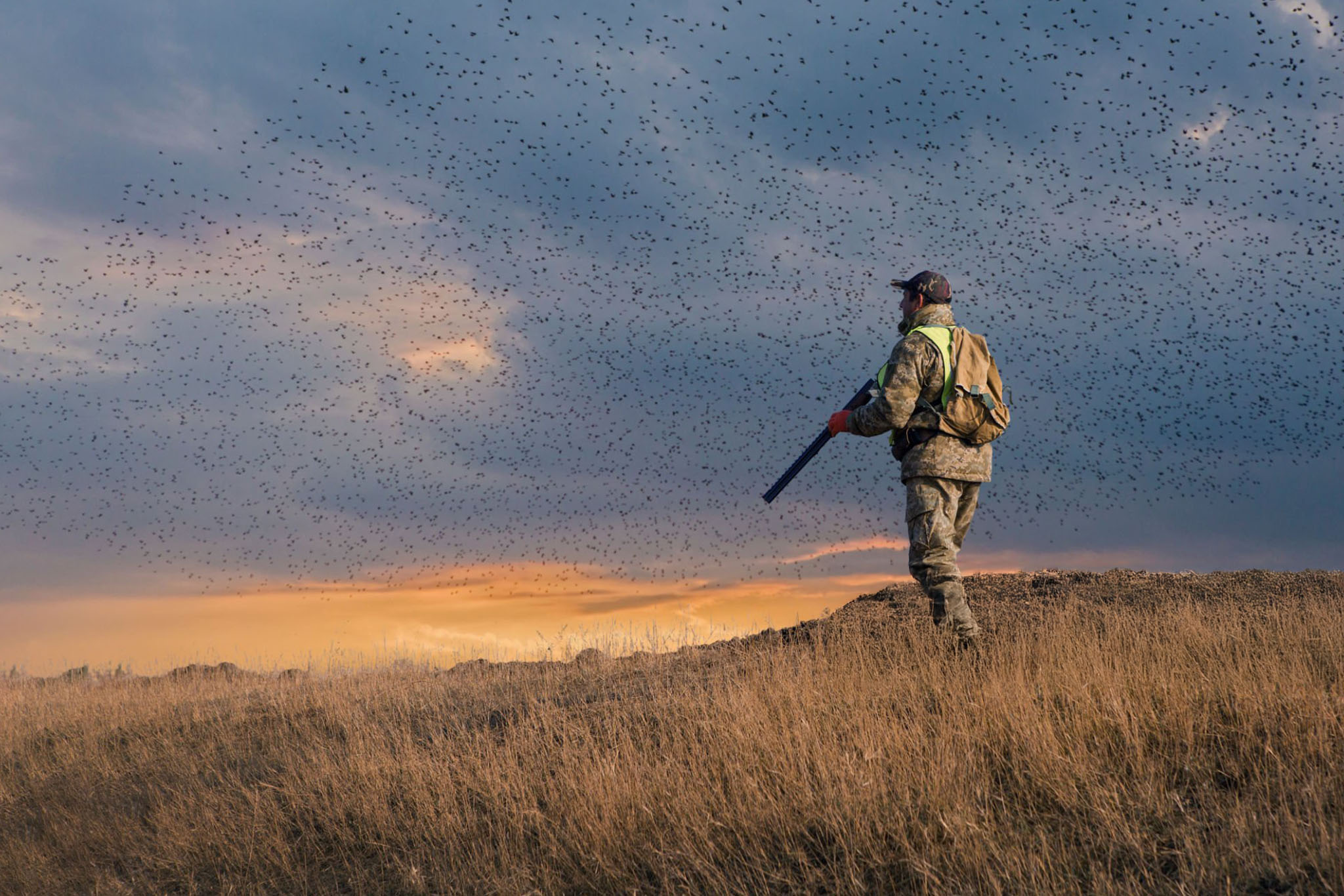
If you’ve ever watched a deer bolt before you even raised your rifle or seen a gobbler go silent when you swore you had the upper hand—chances are the wind gave you away. Hunting isn’t just about grit and gear. It’s about strategy. And few elements play a bigger role in your success than wind. Mastering it won’t just make you a better hunter—it’ll make you a smarter one.
Welcome to the handbook on hunting smarter, not harder—by learning how to master the wind.
Why Wind Matters in Hunting
Wild animals live and die by their noses. Deer, elk, bears, coyotes—almost every big game species has a sense of smell far more advanced than ours. A whitetail deer, for example, can detect human scent from over 500 yards away if the wind’s working in its favor. You might be decked out in camo and scent control sprays, but if you’re hunting upwind from your target, you’re announcing your presence loud and clear.
The wind doesn’t just betray your scent; it also affects sound and even your bullet trajectory. In short: ignore the wind, and you’ll work twice as hard for half the results.
Understanding Wind Direction Basics
Before you can use the wind to your advantage, you have to read it like a seasoned tracker. Here’s how:
1. Always Hunt With the Wind in Your Face
This is the golden rule. Your scent travels downwind—so by facing into the wind, you’re reducing the chances of animals catching your scent before you ever see them. It’s basic, but it works.
2. Use Wind-Check Tools
You don’t have to be a meteorologist. A simple squeeze bottle filled with unscented powder (like talc or baking soda) will show the wind’s direction instantly. There are also high-tech wind detectors and hunting apps with live wind maps that can help you plan your stalk.
3. Thermals: The Invisible Elevator
Thermals are natural air currents caused by temperature changes. In the morning, as the sun warms the ground, air tends to rise—pulling your scent upwards. In the evening, cooling air sinks—drawing scent downhill. In mountainous or hilly terrain, understanding thermals can be the difference between filling a tag or going home empty-handed.
Wind Strategies for Different Game
Whitetail Deer
Set up your stand or blind based on predominant wind patterns. Deer tend to move with the wind quartering into their nose, especially mature bucks. Try to place yourself crosswind to their likely travel paths for the best shot opportunity without getting busted.
Elk
Elk have a huge nose and they will circle downwind when they sense danger. If you’re bugling or cow calling during the rut, position yourself with enough buffer so that if they try to circle you, they’ll still be within range before they catch your wind.
Predator Hunting
Coyotes and bobcats will almost always circle downwind. That’s just how they’re wired. Set up your call and decoy with the wind in mind, and expect them to show up from the downwind side. Have your rifle ready to swing wide.
Mobile Hunting and Still-Hunting Tactics
If you’re on the move—spot-and-stalk style—your wind awareness needs to be dialed in even more. Watch the treetops, dust swirls, or even floating dandelion fluff to get a sense of direction. Adjust your path constantly to stay upwind or crosswind as you stalk. It’s a game of patience and positioning.
Using Wind to Mask Sound and Movement
Wind doesn’t just carry scent—it also affects sound. On a breezy day, your footsteps, gear rattle, or rangefinder beeps are less likely to be noticed. Use this to your advantage when moving through crunchy leaves or breaking brush. A light wind also helps mask subtle movements in your camo, keeping you visually stealthy.
Pro Tips for Becoming a Wind-Savvy Hunter
- Pre-scout wind maps: Apps like HuntStand or OnX Hunt show you real-time wind direction and historical wind data so you can plan days in advance.
- Change setups mid-hunt: If the wind shifts, move. It’s better to relocate than blow out an entire area.
- Scent control is your backup, not your solution: Even the best scent-killing sprays and ozone machines are no match for a direct downwind breeze.
- Don’t forget crosswinds: They’re your best friend. Game can’t smell you, and you still get a shot opportunity.
Final Thoughts: Outsmart, Don’t Outmuscle
The most successful hunters aren’t the ones who put in the most miles or carry the fanciest gear. They’re the ones who understand nature’s systems—and wind is one of the most critical. By learning to read, predict, and use the wind to your advantage, you’ll find more success with less effort. And that’s what smart hunting is all about.
So next time you step into the woods, stop, feel the breeze, and let the wind guide your strategy.
