
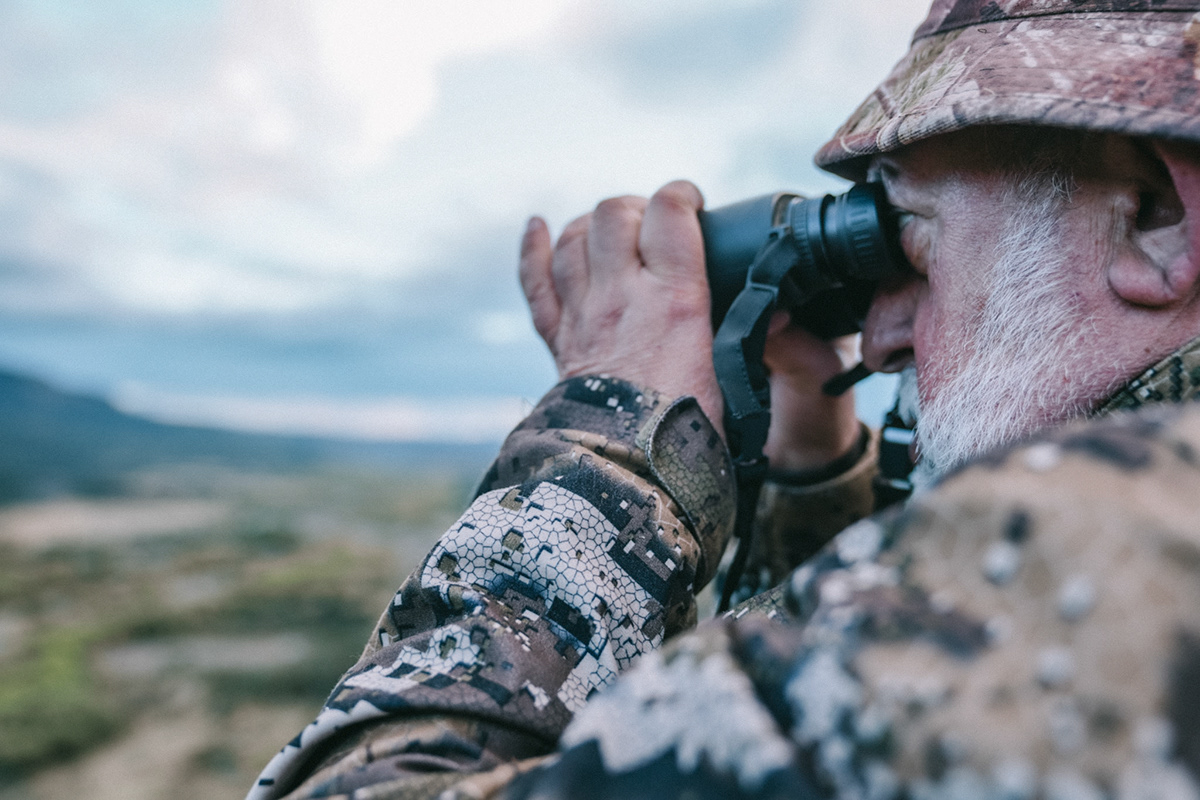
Tracking animals through the wild isn’t just about spotting footprints in the dirt. It’s an ancient skill — part science, part intuition — that can turn a casual hiker into a seasoned outdoorsman and elevate a hunter’s game to the next level. Whether you’re chasing whitetail deer through dense woods or trying to identify what wandered through your backyard last night, learning how to read animal tracks opens a window into the hidden world of wildlife.
This comprehensive guide breaks down everything you need to know to read animal tracks like a pro — terrain by terrain, species by species.
Why Track Reading Matters
Animal tracking is essential for:
- Hunters who want to locate game quickly and efficiently.
- Wildlife photographers seeking the perfect shot.
- Survivalists and bushcrafters honing situational awareness.
- Outdoor enthusiasts looking to deepen their connection with nature.
Understanding tracks can reveal not just what passed by, but when, how fast, and why.
Understanding the Basics of Animal Tracks
Before diving into the nitty-gritty, let’s get familiar with the elements that make up a track:
1. Track Shape
- Hoofed animals (like deer, elk, moose) leave cloven, heart-shaped prints.
- Canines (wolves, coyotes, domestic dogs) show oval prints with visible claw marks.
- Felines (bobcats, cougars) have rounder prints with no claw marks.
- Rodents and small mammals (rabbits, raccoons) often have hand-like or irregularly shaped prints.
2. Track Size
Size helps distinguish between similar animals — a coyote’s print may look like a wolf’s, but it’s significantly smaller.
3. Gait Patterns
Observe how the animal moves:
- Walk: Even spacing, often in a straight line (felines do this).
- Trot: A 2-2 pattern with alternating legs.
- Lope or Gallop: Spaced-out patterns, used when animals run.
4. Substrate Matters
Tracks in snow differ from tracks in mud or sand. Moisture and terrain affect the clarity and depth of impressions.
How to Identify Common North American Tracks
🦌 Deer (Whitetail & Mule Deer)
- Print: Heart-shaped hooves, about 2–3 inches long.
- Clues: Look for scrape marks or broken twigs along the trail.
- Gait: Walk or bound. Bounding shows all four hooves in a tight group.
🐺 Coyote
- Print: Oval shape, 2–2.5 inches long, claws visible.
- Track Pattern: Linear — coyotes walk with purpose.
- Pro Tip: Coyote tracks are narrower and more symmetrical than dog tracks.
🐻 Black Bear
- Print: Wide paw with five toes; front paws are rounder, hind look like human feet.
- Size: 4–7 inches.
- Extra Clue: Look for tree markings, scat, or torn logs nearby.
🐱 Bobcat
- Print: Round, 1.5–2 inches, no claws.
- Track Pattern: Straight-line walk, often with rear paws falling directly into the front.
- Bonus Tip: Bobcat tracks are smaller and more compact than cougar tracks.
🦝 Raccoon
- Print: Five toes, front paw resembles a human hand.
- Gait: Waddling; rear foot often lands next to or behind the front.
- Clues: Found near water, dens, or food sources.
How to Age a Track
Understanding how fresh a track is can make or break a hunt. Here’s what to look for:
- Sharp edges and crisp detail = fresh (minutes to hours).
- Smudged edges, filled with debris = older (1+ day).
- Snow tracks that are melting or have frost crystals = not recent.
- Mud tracks with drying cracks = likely several hours old.
Pay attention to weather. Wind, rain, or sun will alter the appearance over time.
Track Reading in Different Terrain
🌲 Forest Floors
- Soft soil, leaf litter, and moss make for excellent tracking — though leaves can hide details.
- Look for disturbances, not just prints: bent grass, broken sticks, or shifted leaves.
🏜️ Desert & Sandy Terrain
- Tracks are often well-defined but easily blown away by wind.
- Best time to track: early morning when the wind is calm and light casts long shadows.
❄️ Snow-Covered Ground
- Tracks are crisp in powdery snow but may “melt out” in sun.
- Depth gives clues to the animal’s weight.
- Drag marks indicate limping or heavy animals.
💦 Muddy Ground or Riverbanks
- Mud reveals the most detail — toe pads, claw marks, even skin texture.
- Be aware of water levels that may distort prints over time.
Advanced Tracking Techniques
🔍 Track Traps
- Look for natural track traps: patches of mud, snow, or sand that record prints.
- Create your own by raking dirt near bait sites or trails.
👀 Interpreting Behavior
Tracks tell a story. Were they:
- Walking calmly (spaced, even strides)?
- Running away (longer gaps, deeper impressions)?
- Feeding or investigating (circling, backtracking)?
🧠 Use All Senses
- Look for hair, scat, scratch marks, or chewed vegetation.
- Listen for movement or calls.
- Smell — yes, some animals (like foxes or skunks) leave scent trails too.
Top Tools for Learning to Track
- Tracking Field Guides (like Peterson Field Guide to Animal Tracks)
- Measuring Tape or Ruler (track size matters)
- Phone Camera (take photos for reference)
- Notebook (jot down conditions, time, observations)
- Binoculars (track from a distance once a trail is found)
Practice Makes Perfect
Start local. Even your backyard can be a learning ground. Practice identifying squirrels, birds, or even domestic animals. Take walks after rain or snowfall to spot tracks more easily.
Join a tracking workshop or find a mentor. Nothing sharpens your skill like time in the field with someone who’s walked the trail before you.
Final Thoughts
Mastering the art of reading animal tracks takes time, patience, and a curious mind. But once you get the hang of it, the woods will never look the same. You’ll start seeing stories everywhere — paths traveled, dangers dodged, lives lived just out of sight.
Whether you’re tracking for the hunt, the camera, or the pure thrill of discovery, this ancient skill reconnects you with the primal rhythms of the wild. Now lace up your boots, step off the trail, and let the tracks lead the way.
