
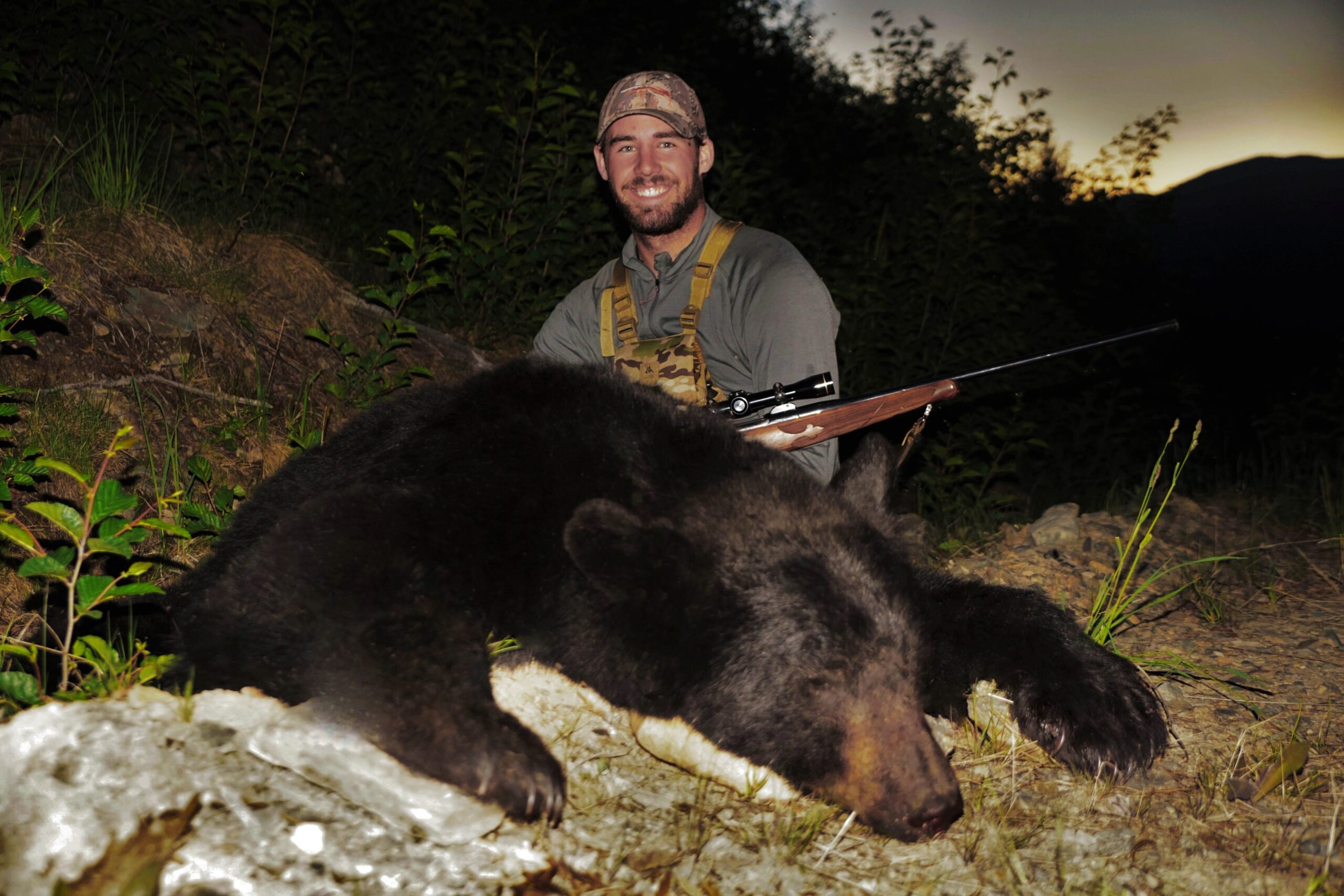
For many hunters, the thought of stepping into the woods after sunset stirs up both excitement and caution. Whether you’re chasing predators, wild hogs, or trying your luck during a legal nighttime deer hunt where it’s allowed, nighttime hunting offers unique opportunities—but it also brings a whole new set of challenges.
To be successful after dark, you’ll need to sharpen your skills, understand animal behavior under the cover of night, and take steps to keep yourself safe. Here’s how to prepare for your next nighttime adventure.
🦝 Why Hunt at Night?
Nighttime hunting is more than a thrill; in many cases, it’s the best way to target certain animals.
✅ Predator Management: Coyotes, bobcats, and foxes are highly active at night, making this the perfect time to call them in.
✅ Wild Hog Control: Feral hogs wreak havoc on crops and land, and they’re notorious for feeding after dark.
✅ Avoiding Heat: In warmer states, night hunts allow you to escape scorching daytime temps and capitalize on cooler animal movement.
But remember—night hunting is highly regulated. Always check your state’s game laws before heading out.
🌙 Staying Safe in the Darkness
The woods feel very different at night, and safety should be your first priority.
1. Gear Up With Proper Lighting
- Headlamps: Keep your hands free while hiking in or setting up. Choose models with red or green light modes to preserve night vision and avoid spooking game.
- Spotlights: Essential for identifying targets at a distance.
- Weapon-Mounted Lights: If legal in your area, these help with quick, ethical shots.
Pro Tip: Carry extra batteries. Nothing’s worse than being miles from the truck with a dead light.
2. Know Your Land and Plan Your Entry
- Scout in Daylight: Familiarize yourself with terrain and landmarks so you’re not navigating blind after dark.
- Mark Trails: Use reflective tacks or GPS apps to guide you safely.
- Avoid Obstacles: Identify hazards like creeks, ditches, or barbed wire ahead of time.
3. Stay Aware of Others
Night hunting often overlaps with other nighttime activities like camping or even illegal poaching.
- Wear a blaze orange hat or vest when walking in.
- Use clear communication if hunting in a group—establish fields of fire and check-in signals.
- Never shoot at movement or sound without positive target ID.
🎯 Becoming Effective After Dark
Night hunting requires adapting your tactics for low-light conditions.
1. Upgrade Your Optics
- Thermal Scopes: Detect heat signatures from incredible distances.
- Night Vision: Perfect for spotting and identifying game in total darkness.
- Red Dot Sights: Fast target acquisition at close range.
2. Master the Call
Predators respond well to distress calls at night. Invest in an electronic caller with remote operation so you can stay hidden.
3. Scent and Sound Discipline
With limited visibility, animals rely heavily on smell and hearing.
- Hunt with the wind in your favor.
- Move slowly and quietly; even small noises carry far at night.
- Consider wearing scent-blocking clothing to reduce detection.
🦌 Legal and Ethical Considerations
Night hunting laws vary widely:
✅ In some states, hogs and coyotes can be hunted year-round at night.
❌ In others, night hunting is strictly prohibited for big game.
- Check local regulations on lights, thermal optics, and firearm use.
- Always prioritize clean, ethical shots. Wounding an animal at night makes recovery much harder.
🥾 Essential Night Hunting Gear Checklist
✅ Headlamp (with red/green mode)
✅ Weapon-mounted light (if legal)
✅ Thermal/Night Vision optic
✅ GPS or offline mapping app
✅ Extra batteries/power bank
✅ Bug spray for summer night hunts
✅ Lightweight, breathable camo for warm evenings
🌌 Final Thoughts
Night hunting is an art that requires preparation, patience, and respect for the animals and the environment. By scouting smart, gearing up right, and staying safety-focused, you can turn your after-dark excursions into some of the most exciting hunts of the year.
Remember: in the darkness, your senses—and your judgment—are your greatest tools.
